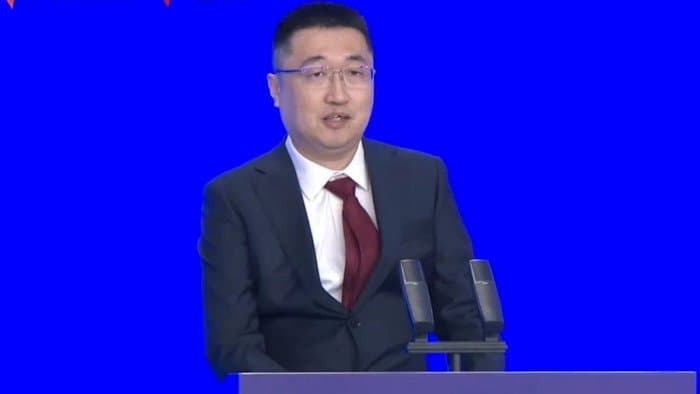
Xu Yangtian makes first major public appearance in years, pledging massive supply chain investment as Shein navigates global expansion and regulatory scrutiny
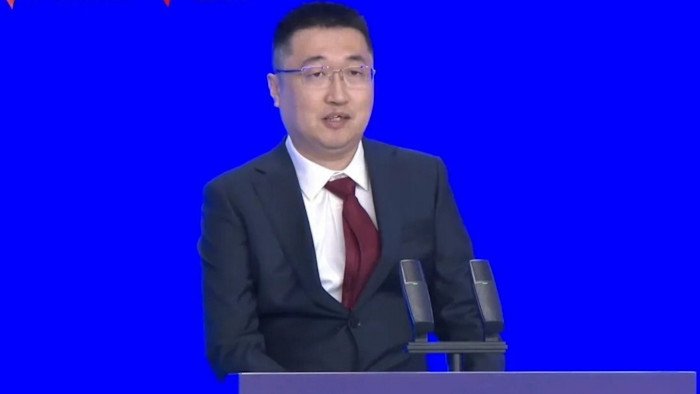
Xu Yangtian, the reclusive founder of fast-fashion giant Shein, made a rare public appearance in Guangdong province, pledging to invest approximately $1.45 billion into the region's supply chains over the next three years. The announcement marks a significant shift for the typically publicity-averse billionaire, who has maintained an extremely low profile despite building one of the world's most valuable private companies.
The investment commitment comes as Shein faces mounting pressure on multiple fronts. The company, valued at over $60 billion in its last funding round, is preparing for a potential initial public offering while simultaneously defending against allegations of labor violations, environmental concerns, and intellectual property theft. Xu's appearance in Guangdong suggests a strategic effort to strengthen relationships with Chinese authorities and suppliers at a critical juncture.
According to sources familiar with the matter, the investment will focus on modernizing manufacturing facilities, improving working conditions, and implementing more sustainable production practices. This aligns with Shein's recent public relations efforts to address criticism about its environmental impact and labor practices. The company has been working to position itself as more transparent and responsible, particularly as it seeks regulatory approval for its planned IPO.
Guangdong, home to much of China's manufacturing base, has been a crucial partner for Shein's supply chain operations. The province's Communist Party leadership has reportedly played a significant role in facilitating Shein's rapid growth, providing infrastructure support and helping navigate regulatory challenges. Xu's public acknowledgment of this support represents a departure from his usual preference for operating behind the scenes.
The timing of the announcement is particularly noteworthy given the current geopolitical climate. As tensions between the United States and China continue to affect global trade, Shein's ability to maintain efficient supply chains while expanding its international presence becomes increasingly important. The company has been working to diversify its manufacturing base beyond China, but the Guangdong investment suggests that Chinese operations remain central to its business model.
Industry analysts note that Xu's public appearance could signal several strategic shifts for Shein. First, it may indicate increased confidence in the company's ability to weather regulatory scrutiny as it moves toward a public listing. Second, it could represent an effort to humanize the brand and its leadership at a time when consumer awareness of corporate responsibility is at an all-time high. Finally, the investment commitment may be designed to secure long-term relationships with suppliers and local governments as competition in the fast-fashion sector intensifies.
Shein's business model, which relies on rapid production cycles and direct-to-consumer sales through its mobile app, has disrupted traditional retail but also attracted criticism. The company's ability to bring new designs from concept to market in as little as ten days has been both its greatest strength and a source of controversy. Environmental groups have criticized the model for promoting overconsumption and generating significant textile waste, while labor advocates have raised concerns about working conditions in supplier factories.
The $1.45 billion investment could help address some of these concerns by funding improvements in factory conditions and implementing more sustainable practices. However, skeptics argue that such investments may be insufficient given the scale of Shein's operations and the fundamental challenges of its business model. The company produces millions of new items each year, and critics contend that true sustainability would require a more fundamental rethinking of its approach to fashion.
From a financial perspective, the investment represents a significant commitment from a company that has historically operated with lean margins. Shein's success has been built on its ability to offer extremely low prices while maintaining profitability through high volume and efficient operations. The decision to invest heavily in supply chain improvements suggests that the company sees this as essential for long-term growth and risk management.
The announcement also comes amid broader trends in the fashion industry, where consumers and regulators are increasingly demanding greater transparency and responsibility from brands. Shein's competitors, including traditional retailers and other fast-fashion players, have been making similar commitments to improve their supply chains and reduce their environmental impact. Xu's public appearance and investment pledge position Shein as a leader in this space, at least in terms of public commitments.
For Guangdong province, the investment represents a significant vote of confidence in the region's manufacturing capabilities. Despite rising labor costs and increasing competition from other manufacturing hubs, Guangdong has maintained its position as a critical center for global supply chains. Shein's commitment could encourage other companies to maintain or expand their operations in the province, supporting local employment and economic development.
The rare public appearance by Xu Yangtian raises questions about the future direction of Shein and its leadership. Will this mark the beginning of a more public-facing approach from the company's founder, or was this a one-time appearance driven by specific strategic needs? Industry observers will be watching closely to see whether Xu maintains a higher profile as Shein continues its global expansion and prepares for potential public markets entry.
As Shein navigates these challenges, the success of its Guangdong investment and the company's broader transformation efforts will be closely watched by investors, competitors, and regulators alike. The fast-fashion giant's ability to balance rapid growth with increasing demands for responsibility and transparency may well determine its long-term viability in an evolving retail landscape.
Comments
Please log in or register to join the discussion