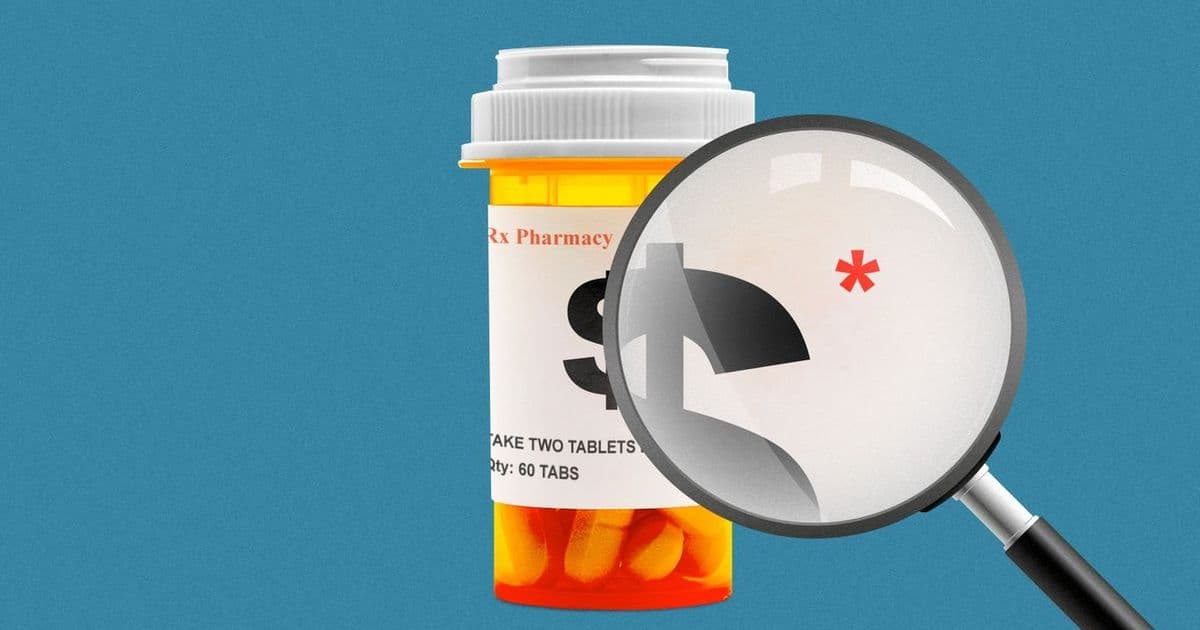
President Trump's ambitious drug pricing reforms are encountering significant obstacles in implementation, raising questions about whether promised savings will materialize for consumers.
President Trump's sweeping promises to dramatically lower prescription drug prices are facing their most significant test yet as the complex realities of healthcare policy collide with political rhetoric.
The Promise vs. Reality Gap
During his administration, Trump repeatedly claimed he would reduce drug prices substantially, often citing specific percentage reductions. The administration's "Most Favored Nation" executive order, which aimed to tie U.S. drug prices to those in other developed countries, was positioned as a cornerstone of this effort.
However, the implementation has proven far more complicated than initially suggested. Pharmaceutical companies have mounted legal challenges, and the technical logistics of implementing international price comparisons have revealed numerous complications.
Market Impact and Industry Response
The pharmaceutical industry has pushed back aggressively against these reforms. Major drug manufacturers argue that international price controls would stifle innovation and reduce investment in new drug development. Some companies have already announced plans to limit drug availability in countries with lower prices to avoid triggering the "most favored nation" provisions.
According to industry analysts, the uncertainty surrounding these policies has already affected pharmaceutical stock valuations, with some major drugmakers seeing share price volatility as the implementation timeline remains unclear.
Consumer Impact Remains Uncertain
While the administration claims the policies will save consumers billions, independent healthcare economists suggest the actual impact may be more modest. The Congressional Budget Office estimated that the "Most Favored Nation" approach would reduce federal spending on drugs by approximately $85 billion over ten years—significant, but far less than the dramatic cuts promised in political speeches.
For individual consumers, the effects are even less clear. Many Americans with prescription drug coverage through employer plans or Medicare may see limited direct benefits, as these programs often negotiate prices separately from the list prices that would be affected by the new rules.
Implementation Timeline and Challenges
The administration has faced repeated delays in implementing key provisions of its drug pricing agenda. Technical challenges in developing the systems to compare international prices, along with ongoing legal challenges, have pushed back the timeline for when consumers might see any price reductions.
Industry experts note that even if fully implemented, the most significant effects would likely take years to materialize as existing drug contracts and supply chains adjust to the new pricing framework.
Political Implications
The gap between promises and reality on drug pricing could have significant political consequences. Healthcare costs remain a top concern for voters, and the administration's ability to deliver on its drug pricing pledges may influence public perception of its overall economic management.
As the 2024 election approaches, the success or failure of these drug pricing initiatives will likely become a central point of debate, with opponents already highlighting the implementation challenges as evidence that the promises were unrealistic from the start.
The reality of drug pricing reform demonstrates the persistent challenge of translating ambitious healthcare policy goals into tangible consumer benefits, particularly in a complex and politically charged industry like pharmaceuticals.
Comments
Please log in or register to join the discussion