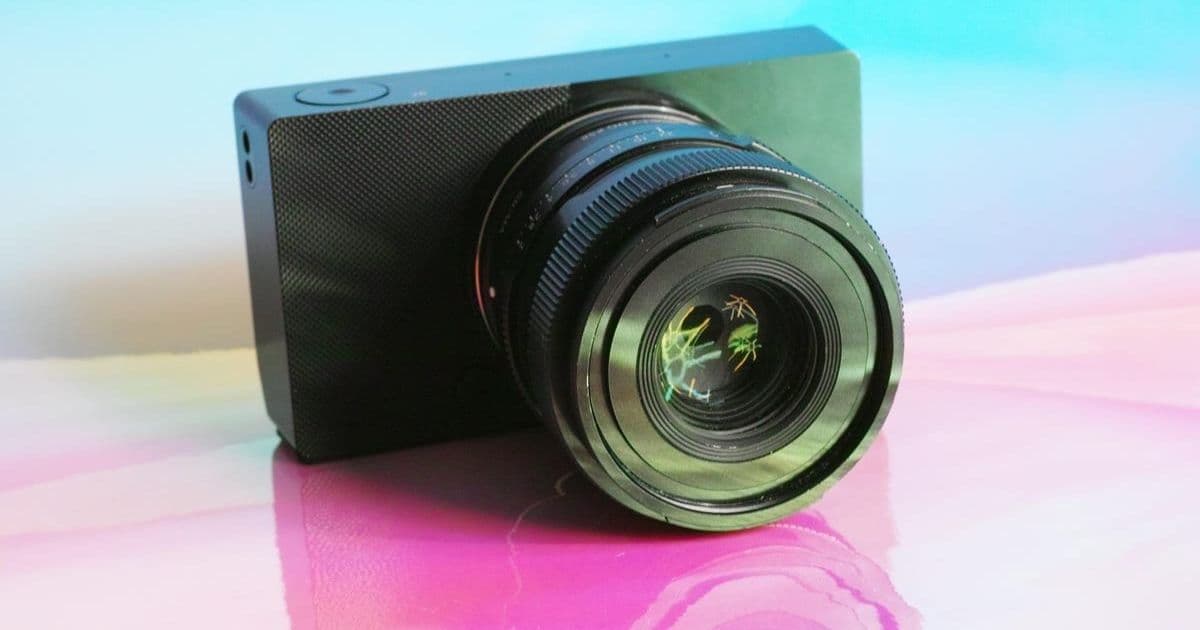
Sigma's BF camera throws out decades of digital camera design conventions, replacing a maze of buttons with a single click-wheel interface and dedicated mini-LCDs. This $2,200 full-frame mirrorless camera isn't just a minimalist statement—it delivers serious image quality and intuitive operation, challenging the dominance of smartphones for enthusiasts seeking more. Its radical simplification offers a compelling gateway into advanced photography without sacrificing pro-level features.
For decades, digital camera interfaces have remained stubbornly complex—a labyrinth of dials, buttons, and nested menus intimidating to newcomers and often cumbersome even for seasoned photographers. Smartphones conquered casual photography through sheer accessibility, leaving traditional cameras feeling archaic. Enter Sigma's BF camera: a bold $2,200 full-frame mirrorless contender that dismantles this paradigm, prioritizing elegant simplicity without sacrificing professional capability.
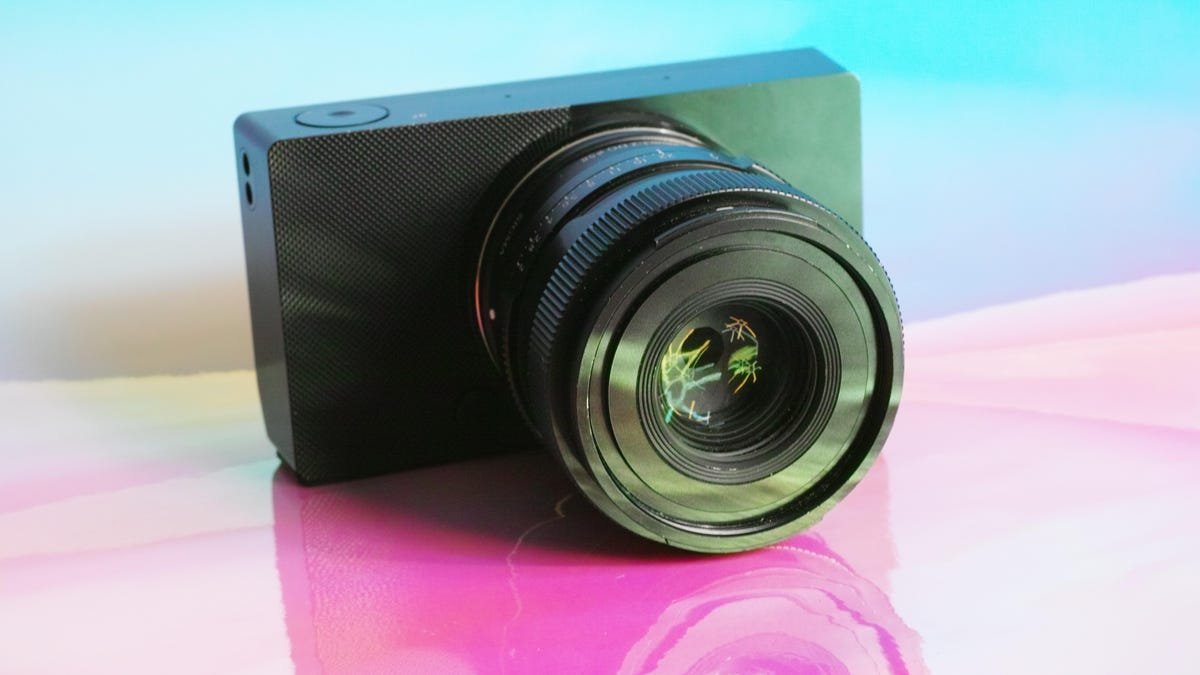
- The Great Unbuttoning: The BF's most striking departure is its near-total elimination of physical controls. Gone is the traditional gaggle of buttons crowding the body. In their place sits a single, central click-wheel (reminiscent of the original iPod) flanked by touch-sensitive controls for playback and menu access. Key shooting parameters—shutter speed, aperture (via lens control), ISO, and exposure compensation—are displayed on individual mini-LCD screens positioned to the right of the main display. Rotate the click-wheel to adjust a highlighted setting; click to select. The result? The main 2.1-megapixel LCD remains an uncluttered viewfinder, purely dedicated to composition.
- Substance Behind the Style: Don't mistake minimalism for compromise. The BF houses a capable 35mm full-frame Sony sensor (24.6MP), delivering the rich detail, superior low-light performance (tested effectively up to ISO 102,400), and authentic depth-of-field control (bokeh) that smartphone computational photography struggles to match authentically. Its L-mount compatibility opens access to high-quality lenses from Sigma, Leica, Panasonic, and others. We tested it primarily with a Sigma 50mm f/2 prime lens, capturing stunning detail in daylight street scenes and remarkably clean images in challenging low-light environments like jazz clubs and museum dioramas.
- Performance Meets Intuition: The streamlined interface translates to a surprisingly intuitive experience, especially for those accustomed to smartphone interactions. Autofocus is notably swift and accurate, aided likely by the lower-resolution sensor compared to Sigma's higher-end models. The touchscreen allows easy focus point selection and image review with familiar pinch/zoom gestures. While lacking a mechanical shutter (using an electronic shutter instead), we observed minimal issues with motion blur or banding under artificial light in real-world use. Battery life proved solid, exceeding Sigma's official estimates in our testing.
- Trade-offs and Target Audience: This radical simplification isn't without concessions for veteran photographers. Functions like auto-exposure lock or direct fill-light adjustment, often assigned dedicated buttons elsewhere, require diving into the menu via the click-wheel. Features like capturing stills during video recording are handled differently (saving frames during playback). This positions the BF not as a replacement for a high-speed sports photographer's workhorse, but as an ideal gateway for smartphone upgraders and a refreshingly simple yet powerful tool for enthusiasts and pros seeking a more fluid, less cluttered shooting experience.
- Beyond the Hype: Why It Matters: The Sigma BF represents more than just a new camera; it's a fundamental challenge to entrenched design philosophies. It asks: Why must complexity be the price of capability? By drastically reducing cognitive load through its elegant UI/UX, the BF makes advanced photographic techniques—manual exposure control, depth-of-field mastery, low-light shooting—significantly more approachable. It leverages the tactile familiarity of a click-wheel and the visual clarity of dedicated mini-displays to bridge the gap between smartphone simplicity and interchangeable-lens camera potential. In an era dominated by computational photography tricks, the BF reaffirms the irreplaceable value of superior optics and larger sensors, delivered through an interface that finally feels designed for human intuition rather than engineering tradition.
The BF's 'beautiful foolishness' (its namesake) lies in its daring departure from the norm. While pros may debate the loss of muscle-memory controls, the camera succeeds brilliantly in its core mission: making exceptional image quality accessible through thoughtful design. It demonstrates that powerful technology doesn't have to be intimidating, offering a compelling, elegant alternative for photographers ready to move beyond their phone's limitations without drowning in buttons.
Comments
Please log in or register to join the discussion