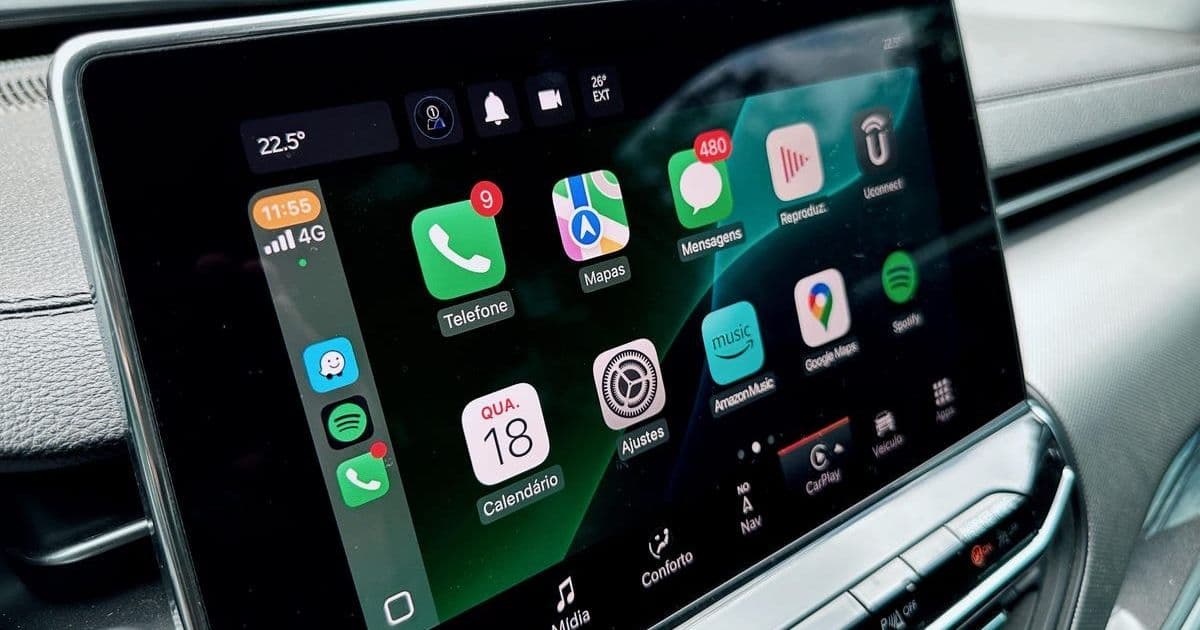
Apple's iOS 26 beta introduces transformative CarPlay enhancements, including a UI redesign, widgets, and the expansion of CarPlay Ultra for deeper vehicle integration. These updates not only refine the driving experience but also underscore Apple's strategic push into automotive software ecosystems, with implications for developers and manufacturers. Here's how these features are shaping the next wave of connected car innovation.
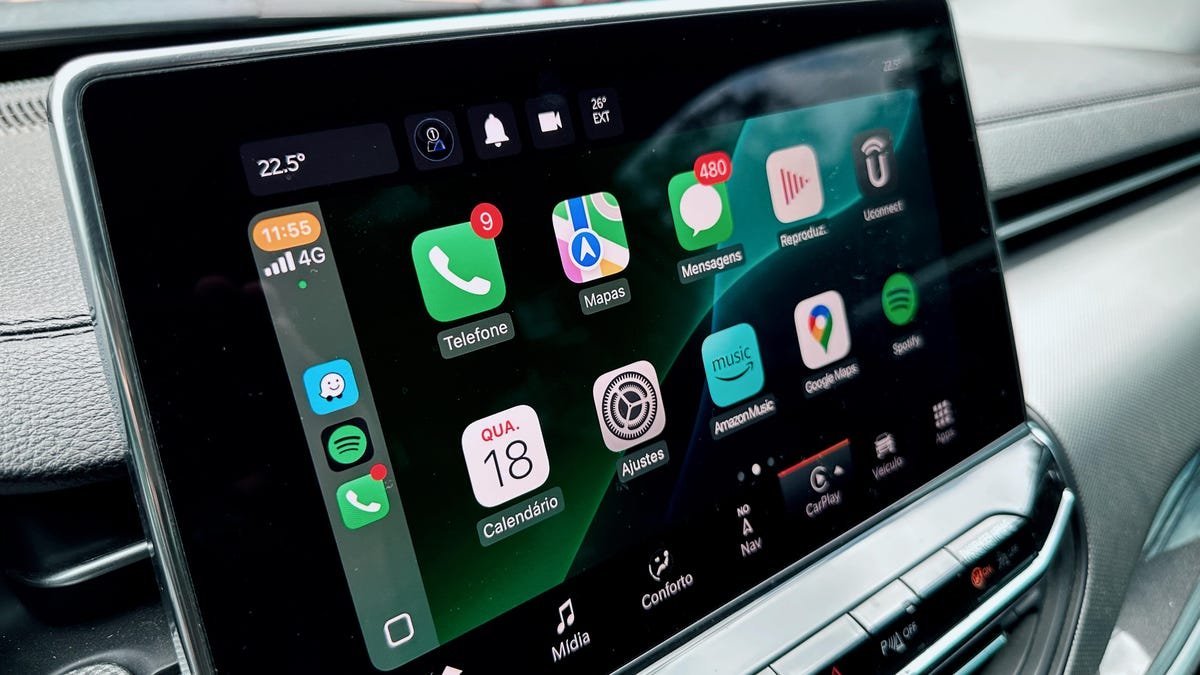
The public beta of Apple's iOS 26 has landed, and with it comes a suite of CarPlay upgrades that extend far beyond cosmetic tweaks. As vehicles increasingly become extensions of our digital lives, these changes—detailed in a recent ZDNet report—signal a deliberate move toward seamless, intelligent in-car experiences. For developers and automotive tech leaders, this isn't just about convenience; it's about Apple cementing its role in the software-defined vehicle revolution.
A Unified Design Language
First, iOS 26 brings a comprehensive visual overhaul to CarPlay, mirroring the iPhone's redesign for greater consistency. The interface now dynamically adapts to light or dark mode, reducing driver distraction, while notifications are more compact to keep navigation maps prominently visible. As one industry observer noted, this creates a 'cohesive digital environment' where transitions between device and dashboard feel intuitive. 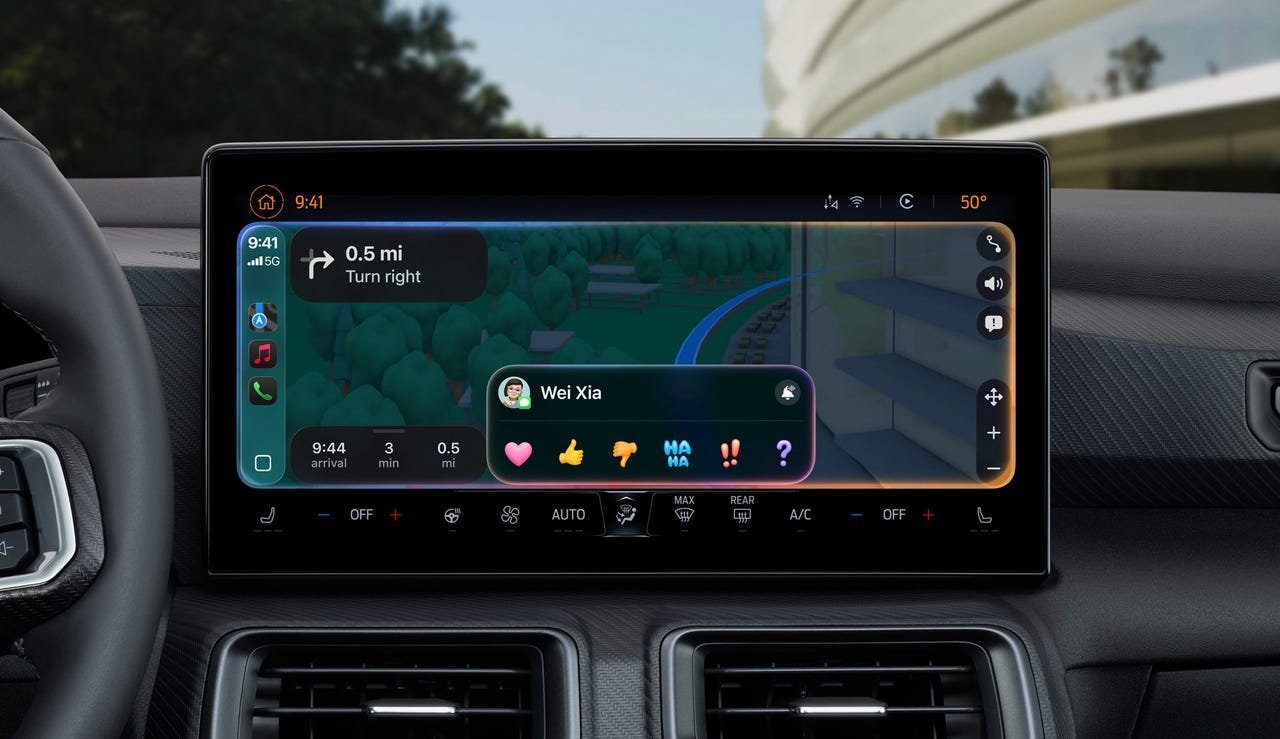 visually demonstrates this cleaner layout, emphasizing Apple's focus on minimizing cognitive load during driving.
Widgets and Live Activities: Context at a Glance
New to CarPlay are widgets that deliver real-time information without app-switching. Users can now glance at weather updates, smart home controls, or flight statuses—like tracking a friend's arrival en route to the airport. Live Activities integration takes this further, surfacing time-sensitive data proactively. For developers, this opens avenues for creating specialized widgets that leverage vehicle sensors or location data, though it also demands rigorous optimization for safety-critical contexts.
CarPlay Ultra: The Game Changer
The most significant leap is the broader rollout of CarPlay Ultra, which expands beyond infotainment to integrate with instrument clusters and heads-up displays. Apple describes it as 'deeply integrating the best of iPhone and the best of the car'—hinting at bidirectional data flows that could enable features like battery status for EVs or advanced driver-assistance system (ADAS) alerts. Initially exclusive to new Aston Martin models in North America, partnerships with Hyundai, Kia, Ford, and Volvo are already in development, suggesting a rapid industry-wide adoption.
Why This Matters for Tech Professionals
These upgrades reflect a strategic pivot: Apple is no longer content with mirroring iPhone screens but is embedding itself into vehicle architecture. For developers, CarPlay Ultra’s API expansions could spur innovation in telematics and personalized driving experiences. Yet challenges loom, such as ensuring cybersecurity in deeper system integrations and standardizing cross-manufacturer implementations. As vehicles evolve into 'smartphones on wheels,' Apple’s play could accelerate competition with Android Automotive, pushing automakers toward more open, modular software platforms.
The road ahead promises richer interactions between mobile and automotive ecosystems, but success hinges on balancing innovation with unwavering safety—a reminder that in tech's race to redefine driving, the user's journey must always come first.
Comments
Please log in or register to join the discussion