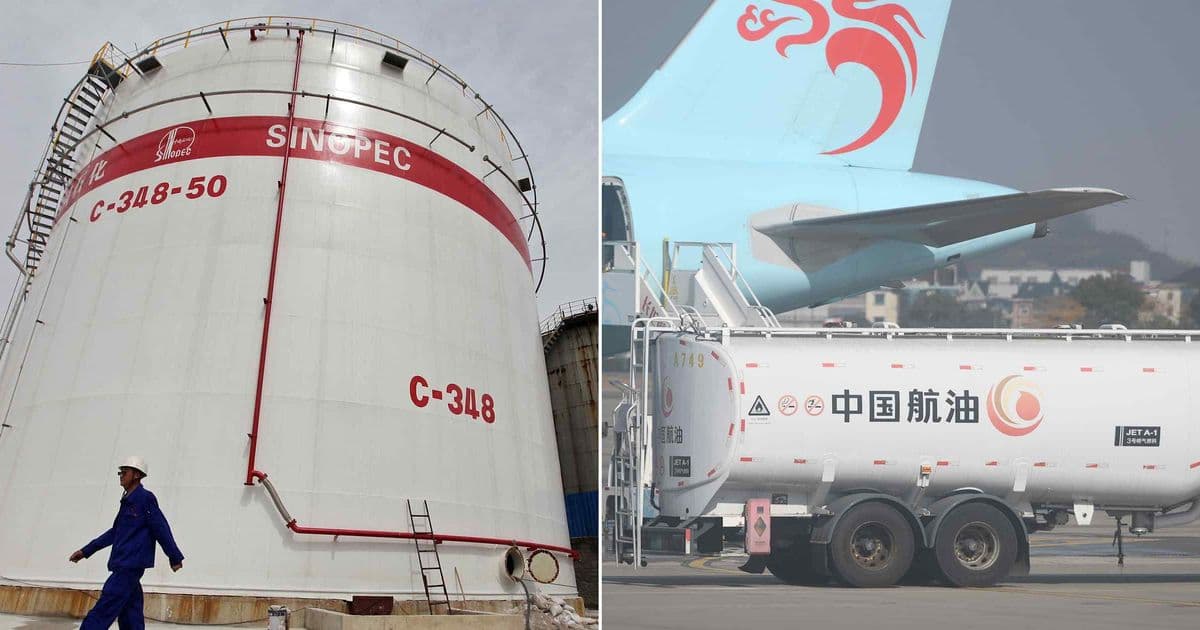
China Petroleum & Chemical Corporation (Sinopec) is considering a merger with China National Aviation Fuel Group as part of state-mandated restructuring under Beijing's five-year plan, a consolidation that would significantly strengthen Sinopec's position in the high-margin aviation fuel sector.
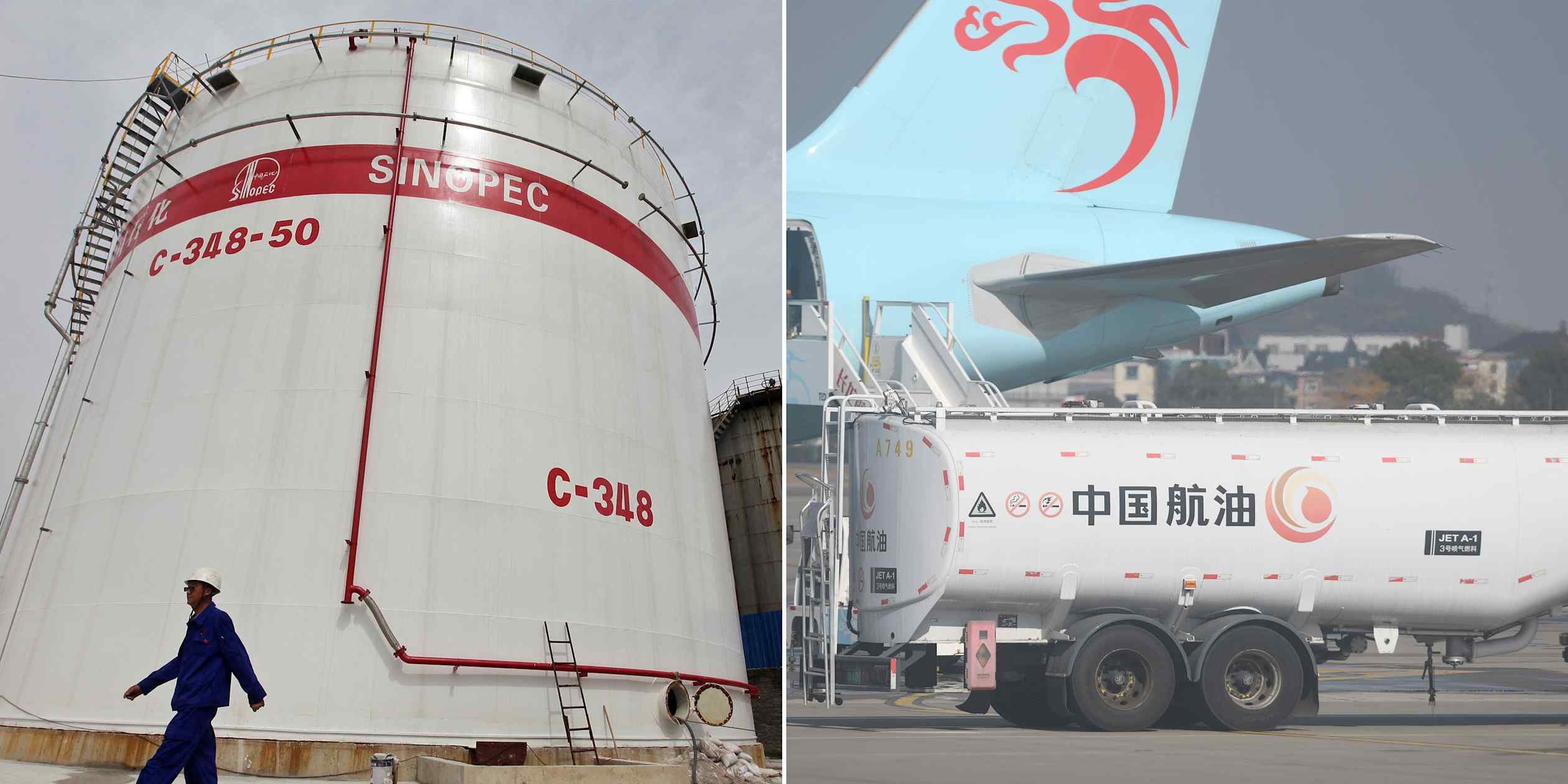
China's state-owned energy giant Sinopec Group has entered formal discussions regarding a potential merger with aviation fuel specialist China National Aviation Fuel Group (CNAF), according to government announcements. This consolidation effort aligns with China's broader strategy to streamline state-owned enterprises under its current five-year economic plan, which prioritizes creating globally competitive national champions in key industrial sectors.
The proposed merger would significantly alter China's aviation fuel landscape. CNAF currently holds approximately 65% market share in China's aviation fuel supply market, operating refueling services at over 200 domestic airports. Sinopec, while dominant in petroleum refining with annual revenues exceeding $400 billion, has limited direct presence in specialized aviation fuel distribution. Combining Sinopec's refining capacity with CNAF's nationwide distribution network would create a vertically integrated aviation fuel powerhouse controlling critical infrastructure across China's rapidly expanding aviation sector.
Market analysts project the merged entity would immediately capture over 70% of China's aviation fuel market, generating estimated annual revenue synergies of $1.2-1.8 billion through operational efficiencies and reduced competition. The timing coincides with China's aviation recovery, where domestic air passenger traffic has rebounded to 95% of pre-pandemic levels and international routes continue expanding. Aviation fuel represents one of the highest-margin petroleum products, with profit margins typically 30-50% higher than standard automotive fuels.
This consolidation follows Beijing's directive to reduce redundant operations among state-owned enterprises. Under the 2021-2025 economic plan, China aims to consolidate energy assets into three primary verticals: upstream extraction, refining/processing, and specialized distribution. The Sinopec-CNAF merger would advance the specialized distribution objective while potentially reducing China's reliance on imported aviation fuel, which currently accounts for nearly 40% of domestic consumption.
Strategic implications extend beyond market dominance. The merger would strengthen China's position in global energy negotiations, particularly regarding long-term aviation fuel supply contracts with international airlines. It also signals potential restructuring across other energy subsectors, with similar consolidations possible among petrochemical and liquefied natural gas providers. Industry observers note this consolidation may prompt competitive responses from international energy majors like Shell and BP, which have been expanding their Asian aviation fuel operations.
The government-led nature of the negotiations suggests the merger has high-level political backing, increasing its likelihood. However, integration challenges remain, including reconciling Sinopec's petroleum-focused corporate culture with CNAF's specialized aviation operations and navigating potential antitrust scrutiny despite state sponsorship. Final terms are expected to be announced before Q3 2026.
Comments
Please log in or register to join the discussion