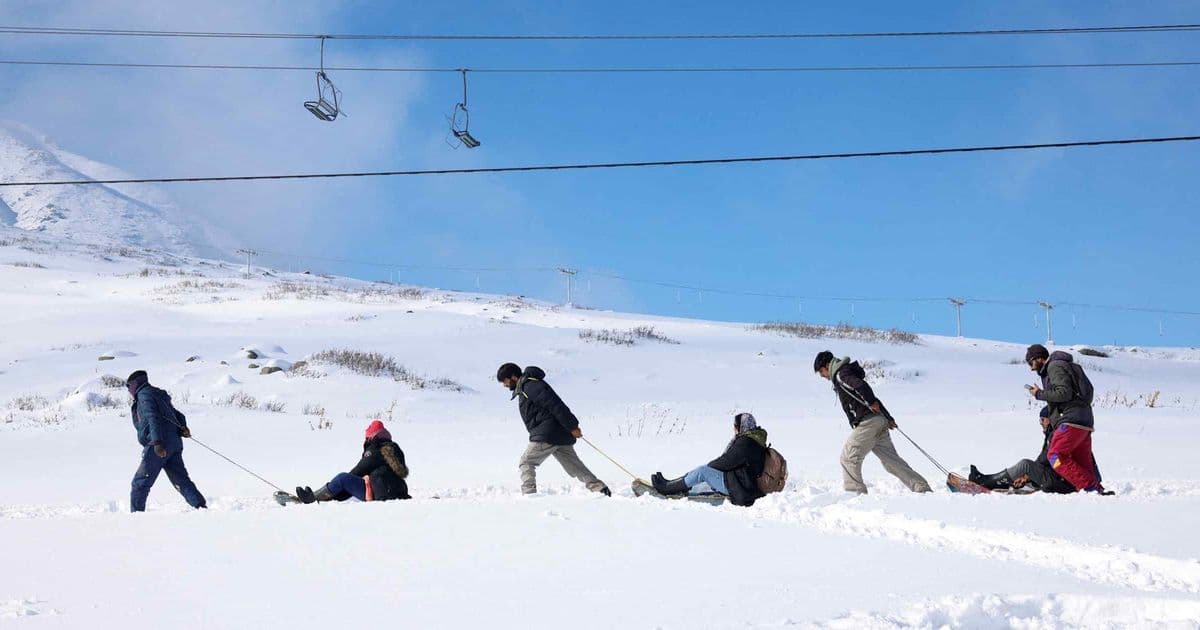
Gulmarg ski resort emerges as critical economic engine amid ongoing security challenges, with returning tourists boosting local businesses despite persistent geopolitical tensions.
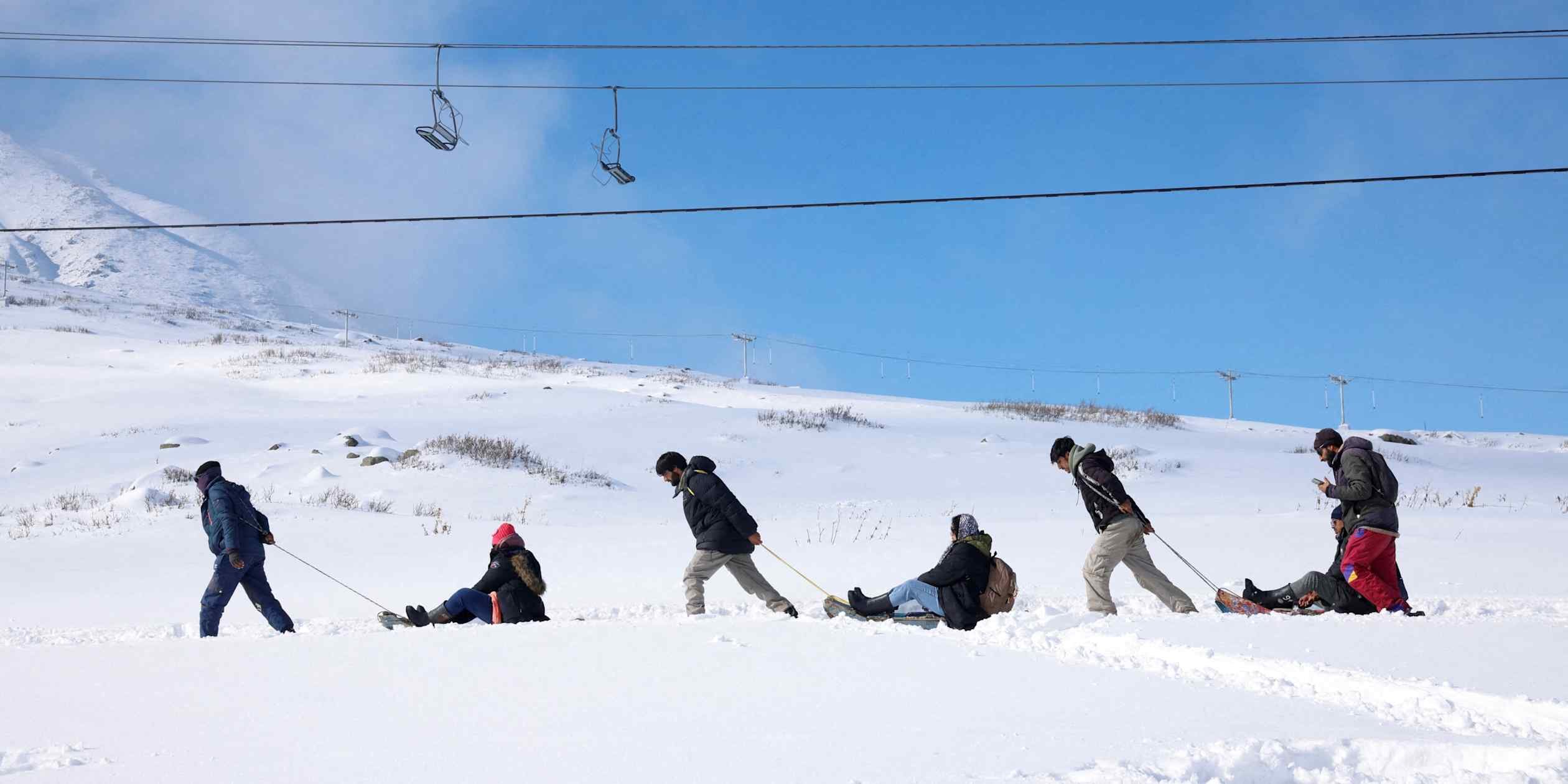
Shafi Aslam's steaming cups of kehwa tea are flowing again at Gulmarg's slopes after years of absence, signaling a fragile but significant economic recovery in Indian-administered Kashmir. The 69-year-old vendor's return to work—against medical advice forbidding prolonged exposure to subzero temperatures—epitomizes the region's urgent need for tourism revenue after decades of separatist violence and India-Pakistan tensions.
Gulmarg, situated at 2,650 meters elevation in the Pir Panjal range, attracts over 250,000 annual visitors during peak winter seasons according to Jammu & Kashmir Tourism Department data. Pre-pandemic figures showed tourism contributed approximately 7% to the region's GDP, employing nearly 700,000 people directly or indirectly. This economic lifeline suffered devastating blows during heightened conflict periods, with hotel occupancy plunging below 20% in 2020-2021 according to industry reports.
Recent months show promising reversal. Hoteliers report 85-90% occupancy during December-January peak season, while ski equipment rentals surged 60% year-over-year. The recovery stems partly from India's "Chalo Kashmir" domestic tourism campaign allocating ₹19.2 billion ($230 million) for infrastructure upgrades, including new gondola lines at Gulmarg. International visitors remain scarce due to travel advisories, but domestic tourists from Mumbai, Delhi and Bangalore now comprise over 95% of visitors.
Security concerns persist, evidenced by recent advisories from multiple governments warning travelers about potential violence. However, heightened military presence along the Line of Control and within resort areas has created sufficient stability for economic activity. Local entrepreneurs are capitalizing on the thaw—five new ski rental shops opened this season, while hospitality training centers report 300% enrollment increases for winter sports instruction certification.
The economic implications extend beyond tourism. Apple growers and handicraft artisans traditionally dependent on export markets report selling 40% more products through resort-area souvenir shops. This diversification creates crucial resilience: Where Kashmir's economy previously relied on agriculture exports vulnerable to border closures, tourism now provides year-round income streams through winter sports and summer trekking.
Challenges remain substantial. Insurance premiums for tourism businesses remain 35% above national averages due to perceived risks. Infrastructure gaps persist—only 15% of ski slopes have artificial snowmaking capabilities, creating vulnerability to warm winters. Yet Gulmarg's revival demonstrates how strategic tourism investment can foster economic stability in conflict zones. As one hotel owner noted: "When ski lifts operate, our children go to school. When they stop, we see empty classrooms." This interdependence between recreation and regional stability makes Gulmarg's slopes an unexpected economic barometer for Kashmir's future.
Comments
Please log in or register to join the discussion