The latest release of Slint brings dynamic layout capabilities, enhanced language interoperability, and improved mobile support, marking significant progress in Rust-based UI development.
The release of Slint 1.15 represents a notable evolution in the Rust-based UI toolkit's capabilities, particularly in three key areas: layout systems, language interoperability, and mobile development support. This update demonstrates how the project is maturing to address real-world application development challenges while maintaining its core philosophy of efficient, cross-platform UI creation.
Dynamic Layouts Through Grid System Enhancements
The introduction of fully dynamic GridLayout functionality addresses one of the most persistent challenges in UI development - creating responsive, data-driven layouts. Developers can now:
- Use
forloops within grid definitions - Bind row/column positions dynamically
- Conditionally show/hide cells
This transforms static grid implementations into living structures that adapt to data changes. The printer demo (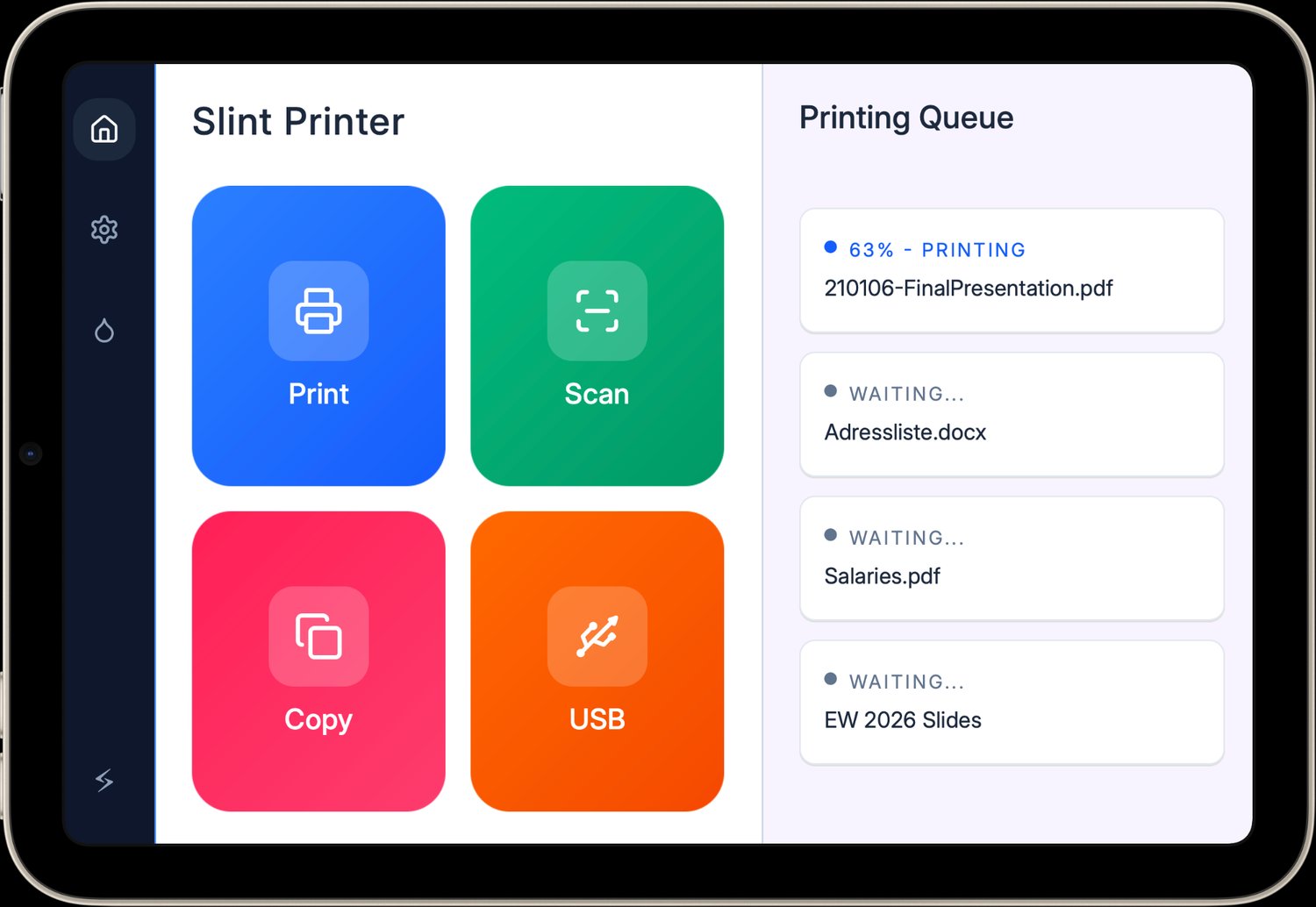 ) showcases this capability effectively, where button positions are calculated based on array indices. This approach reduces boilerplate code while increasing layout flexibility, particularly for data-heavy applications.
Language Interoperability Improvements
Slint 1.15 strengthens its position as a polyglot-friendly toolkit through two significant additions:
- Two-way struct bindings: Enables cleaner data flow management between UI elements and Rust/C++ data structures
- Python type hints: Generates
.pyifiles for better IDE support and static type checking
The Python enhancements are particularly strategic, lowering the barrier for entry while maintaining type safety. This balanced approach respects Python's dynamic nature while providing guardrails through:
- Compile-time type checking
- Runtime API compatibility verification
- Integration with popular tools like mypy
Mobile Development Maturity
The mobile support improvements reveal Slint's growing sophistication in native app development:
- Safe area handling: Properly accounts for device notches and system UI
- Virtual keyboard awareness: Automatically adjusts content visibility
- Platform-specific guides: Updated iOS/Android documentation
These changes demonstrate a shift from basic mobile compatibility to genuine platform adaptation, crucial for production-ready applications.
Considerations and Trade-offs
While the release brings significant improvements, several factors merit consideration:
- The new dynamic grid system introduces additional complexity that may require learning new patterns
- Mobile features currently focus on iOS/Android, with embedded systems receiving less attention
- The Rust-centric core may still present challenges for teams primarily using other languages
The project's continued GitHub activity and growing contributor list suggest these areas may see attention in future releases.
Looking Forward
Slint 1.15 positions the toolkit as a compelling option for teams valuing:
- Cross-platform consistency
- Rust's performance/safety
- Language flexibility
- Declarative UI patterns
As the project evolves, watching how it balances these priorities while expanding its ecosystem will be particularly interesting. The upcoming Embedded World showcase may reveal additional directions for the framework.
For developers exploring Slint, the official documentation provides comprehensive guidance, while the Mattermost community offers real-time support.
Comments
Please log in or register to join the discussion