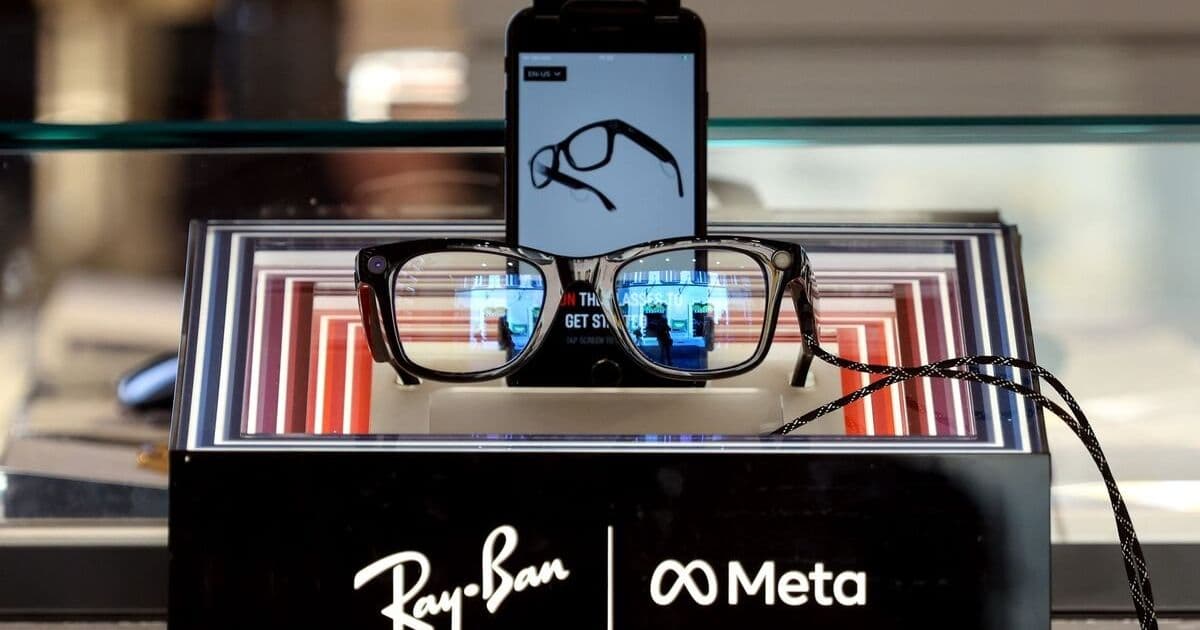
Meta and EssilorLuxottica face a patent infringement lawsuit over smart glasses technology, highlighting growing IP conflicts in the rapidly expanding wearables market.
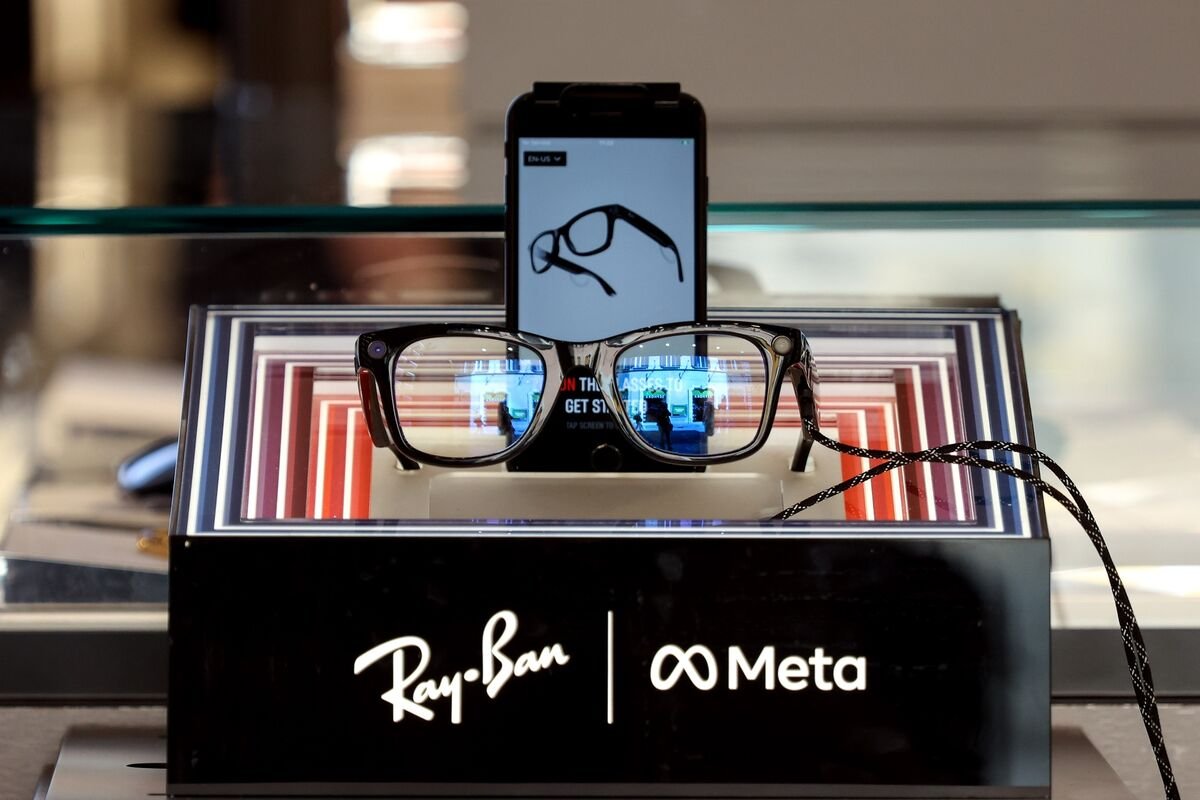
The nascent smart glasses market is encountering turbulence as legal challenges mount against industry leaders. Meta Platforms Inc. and eyewear giant EssilorLuxottica SA face a patent infringement lawsuit filed by an undisclosed competitor, targeting their collaborative smart glasses products including the Ray-Ban Stories line. This legal action arrives as Meta solidifies its position in what Bloomberg describes as the "reigning leader in the growing smart glasses category.
Patent disputes aren't uncommon in emerging tech sectors, but this case carries particular weight given Meta's strategic investment in wearables as its next computing platform. The lawsuit alleges infringement of multiple patents covering core smart glasses functionality, though specific technical claims remain undisclosed in initial reports. EssilorLuxottica's Oakley subsidiary is also named in the complaint, suggesting the alleged infringement relates to hardware components essential to the wearable experience.
This legal challenge surfaces amid Meta's accelerating hardware ecosystem development. The company recently expanded its smart glasses capabilities through multimodal AI integration, enabling real-time visual analysis and contextual awareness. Industry analysts note that smart glasses represent one of Meta's critical bets beyond traditional social media, with shipments projected to grow 61% annually through 2028 according to market research firm IMARC Group.
The lawsuit reflects broader tensions in wearable technology development:
Hardware patent thickets: As companies converge optical engineering, micro-displays, and AI processing into compact form factors, overlapping patent claims become inevitable. The Optical Society archives document numerous patent disputes in augmented reality optics dating back to early Google Glass prototypes.
First-mover liability: Market leaders face disproportionate litigation risk. Meta's partnership with EssilorLuxottica—combining technical expertise with optical heritage—created a dominant position that attracts patent challenges. Smaller competitors may view litigation as a necessary equalizer against resource-rich incumbents.
Innovation vs. protection balance: Some developers express concern that aggressive patent enforcement could chill open hardware development. Projects like Mozilla's open-source WebXR initiative advocate for royalty-free standards to prevent fragmentation. However, manufacturers counter that without IP protection, R&D investment becomes economically unsustainable.
The timing coincides with increased regulatory scrutiny of tech hardware. Apple recently clashed with European regulators over alternative app stores, while Intel disclosed production constraints for AI-optimized chips. These parallel developments suggest growing pains for next-generation devices that blend physical and digital experiences.
Counterarguments emerge from industry veterans who note that patent litigation often signals market validation rather than stifled innovation. Historical examples like the smartphone patent wars demonstrate how initial legal conflicts can precede accelerated innovation and market expansion. Others highlight that smaller patent holders provide essential R&D that might otherwise go unfunded, with licensing enabling technology diffusion.
Meta and EssilorLuxottica have yet to publicly detail their defense strategy. Legal observers anticipate arguments around patent validity and potential prior art. The outcome could influence how wearable tech companies approach IP acquisition and cross-licensing agreements moving forward.
As the case progresses through the Northern District of California court system, developers building for wearable platforms should monitor how the litigation affects:
- Hardware accessibility: Will patent concerns limit third-party accessory development?
- API development: Could legal outcomes reshape sensor data access protocols?
- Cross-platform compatibility: How might patent licensing affect interoperability standards?
The smart glasses market stands at an inflection point where legal frameworks may prove as consequential as technological breakthroughs in determining which visions of augmented reality become mainstream.
Comments
Please log in or register to join the discussion