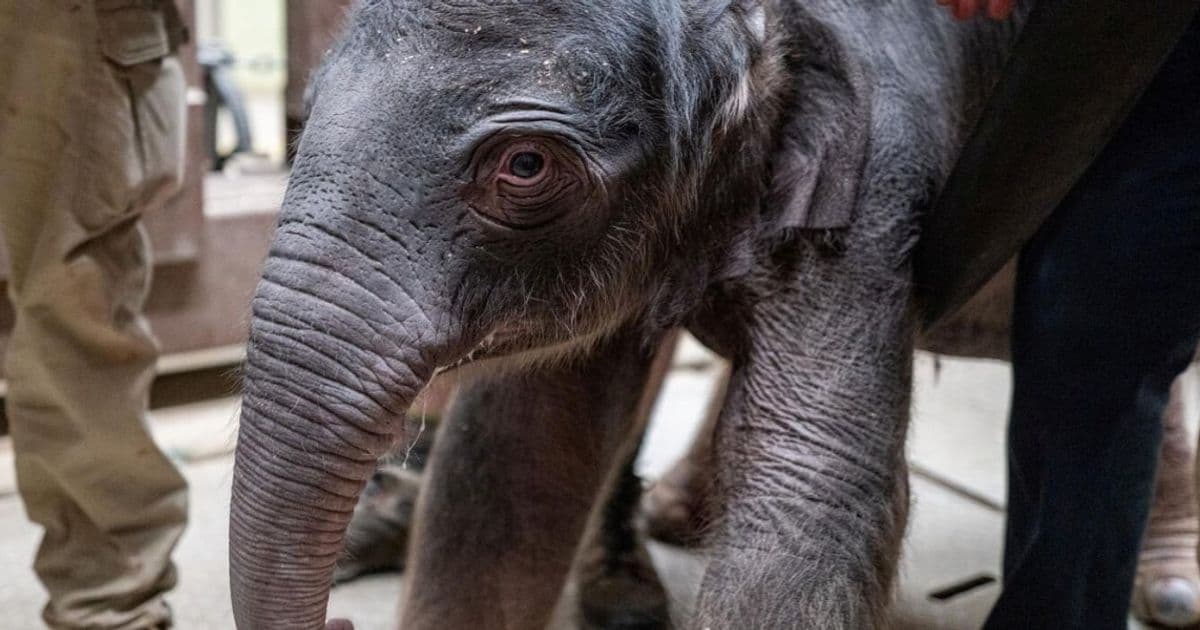
The Smithsonian's National Zoo celebrates the birth of a genetically significant female Asian elephant calf – the institution's first in 25 years – while launching a public naming campaign to fund conservation efforts for the endangered species.
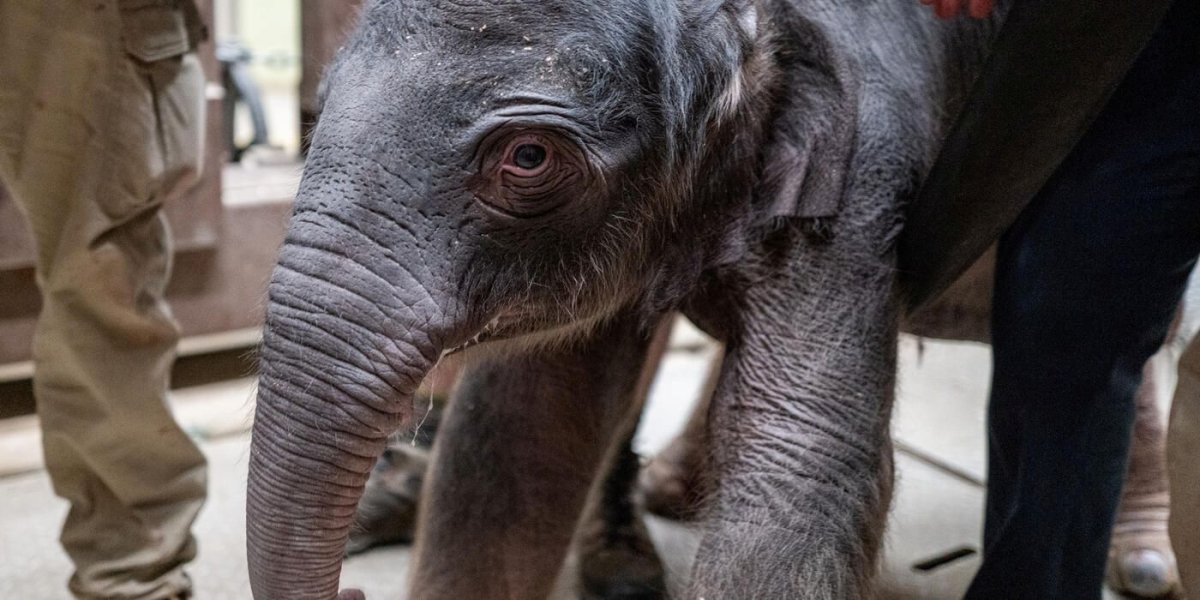
For the first time since 2001, the Smithsonian's National Zoo and Conservation Biology Institute (NZCBI) is celebrating the birth of an Asian elephant calf, marking a milestone for both the institution and global conservation efforts for this endangered species. The female calf, born February 2 at 1:15 a.m., represents a significant achievement in genetic diversity preservation and offers new research opportunities for scientists working to protect wild populations.
The newborn arrived to 12-year-old mother Nhi Linh and 44-year-old father Spike following a 21-month gestation period. This pairing resulted from a carefully managed breeding recommendation by the Association of Zoos and Aquariums' Species Survival Plan (SSP), which prioritizes genetic diversity in captive populations. Both parents carry underrepresented genetics in the North American elephant population, making this calf particularly valuable to the species' long-term survival prospects. While Spike has sired three previous calves (none surviving), this is Nhi Linh's first offspring.
"After waiting nearly 25 years for an Asian elephant calf, this birth fills us with profound joy," said Brandie Smith, John and Adrienne Mars Director of NZCBI. "What we learn from our elephants in D.C. directly strengthens our work to protect wild Asian elephants across Southeast Asia."
The zoo is leveraging the birth to advance conservation funding through an innovative public engagement campaign. Inspired by Nhi Linh's Vietnamese heritage, four name options have been selected: Linh Mai (spirit blossom), Thảo Nhi (gentle and beloved), Tú Anh (talented and bright), and Tuyết (snow, referencing her winter birth). Starting immediately, the public can vote for their preferred name by donating a minimum of $5 via the Zoo's naming campaign website, with each dollar counting as one vote. All proceeds will directly support Asian elephant care and conservation initiatives. Voting concludes February 13 at noon ET, with the winning name announced shortly after.
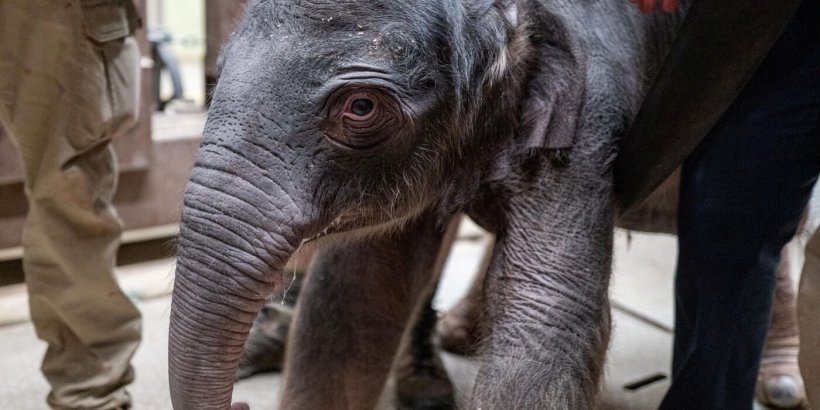
Elephant care staff perform neonatal exam on newborn calf shortly after birth. Photo: Roshan Patel, Smithsonian’s National Zoo and Conservation Biology Institute
Initial neonatal exams confirmed the calf's robust health. Veterinarians recorded a weight of 308 pounds (140 kg) and height of 38.5 inches, noting alertness and normal physical function. The calf will remain off-exhibit for approximately one month to facilitate critical bonding with Nhi Linh and other herd members, including grandmother Trong Nhi and matriarch Bozie. Weather-dependent outdoor access will follow, with Smithsonian members receiving exclusive preview opportunities before the public debut. Real-time viewing will resume via the Zoo's Elephant Cam when the calf joins public habitats.
The birth resulted from sophisticated reproductive monitoring. NZCBI staff used voluntary blood sampling and ultrasound training with Nhi Linh to track progesterone levels and fetal development. The team initiated 24-hour observation when progesterone dropped precipitously on January 25, closely monitoring labor indicators like abdominal contractions and restlessness before the overnight delivery in a dedicated birthing suite.
Beyond the immediate celebration, NZCBI announced a $23 million fundraising campaign to expand its Asian elephant conservation programs over five years. These efforts build on decades of Smithsonian research in movement ecology, genetics, disease prevention (including EEHV), and human-elephant conflict mitigation across Southeast Asia. Federal funding covers basic animal care, but private donations through initiatives like the naming campaign finance critical field conservation and scientific advancement.
Asian elephants (Elephas maximus) face severe threats in the wild, with populations declining by 50% over the past three generations due to habitat loss, poaching, and human-wildlife conflict. With fewer than 52,000 individuals remaining across 13 countries, captive breeding programs serve as vital genetic reservoirs while advancing scientific understanding applicable to wild conservation. The NZCBI team will closely observe the calf's development for insights into social behavior, nutritional needs, and health management that could benefit both zoo and wild populations.
Updates on Nhi Linh and her calf will be shared through the NZCBI website, social media channels, and member communications as bonding progresses and public viewing opportunities develop.
Comments
Please log in or register to join the discussion