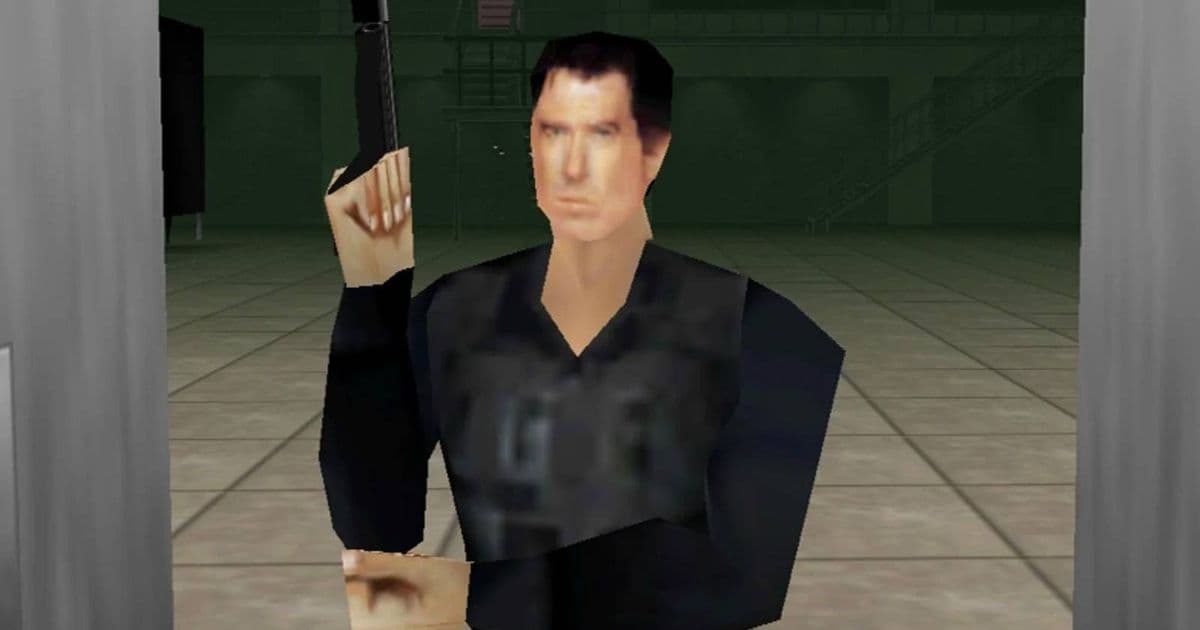
The RMG-K N64 emulator now features rollback netcode, significantly improving online multiplayer experiences for classic Nintendo 64 games like GoldenEye, though currently limited to 1v1 matches.
For retro gaming enthusiasts, the ability to play classic N64 titles online has always been a challenge. Network lag and input delay have plagued attempts to recreate the split-screen multiplayer experience of games like GoldenEye and Perfect Dark. However, a recent development in the emulation scene is changing this landscape dramatically.
The RMG-K N64 emulator has just implemented rollback netcode, a technology that has revolutionized fighting game online play by reducing input delay and creating smoother, more responsive experiences. This implementation marks a significant milestone for retro gaming online, potentially making N64 multiplayer games finally playable over the internet.
What is Rollback Netcode?
Rollback netcode represents the gold standard for lag-free online gameplay. Unlike traditional delay-based netcode that waits for both players' inputs before proceeding, rollback works by predicting opponent actions, simulating several frames ahead, and then correcting any prediction errors when actual inputs arrive. This creates the illusion of instantaneous response times even with significant network latency.
This approach has been successfully implemented in modern fighting games like Street Fighter V and Guilty Gear Strive, where frame-perfect timing is crucial. Bringing this technology to retro console emulation opens up new possibilities for competitive play of classic titles that were never designed with online functionality in mind.
RMG-K's Implementation
The RMG-K emulator, which builds upon the popular Mupen64Plus core, has integrated GekkoNet-based rollback netcode. GekkoNet is an open-source networking library designed specifically for retro game consoles, with previous implementations for PlayStation 2 titles.
The implementation in RMG-K is already showing promising results. Early testers report that games like GoldenEye now have significantly reduced input delay, making 1v1 matches feel much closer to local play than previous attempts at online N64 multiplayer. The netcode effectively masks network latency by running predictions and corrections behind the scenes.
Current Limitations
While the new netcode represents a major step forward, it's not without limitations. The most significant constraint is that the current implementation only supports two players. This means that while 1v1 matches in GoldenEye or Mario Kart 64 are now viable, the beloved four-player split-screen experiences that defined N64 multiplayer remain out of reach for online play.
The developers acknowledge this limitation and have indicated that expanding support to three or more players is a goal for future updates. However, implementing rollback netcode for multiple simultaneous players presents significant technical challenges, as prediction becomes exponentially more complex with additional inputs to reconcile.
Technical Challenges and Solutions
Implementing rollback netcode for a system like the N64 presents unique challenges compared to modern fighting games. The original hardware had fixed refresh rates and timing that doesn't translate perfectly to variable network conditions. Additionally, N64 games often relied on local multiplayer-specific features that don't have direct equivalents in online play.
The RMG-K team has addressed some of these challenges by implementing custom prediction algorithms tailored to N64 game behavior. They've also worked to minimize the "rollback ghosting" effect where predicted frames briefly show incorrect information before correction. This creates a more seamless experience that doesn't distract players with visual artifacts.
Broader Implications for Retro Gaming Online
The successful implementation of rollback netcode in RMG-K could influence other retro gaming projects. The GekkoNet library is already being adapted for other classic consoles, suggesting we may see similar improvements for PlayStation, Sega Saturn, and other systems in the near future.
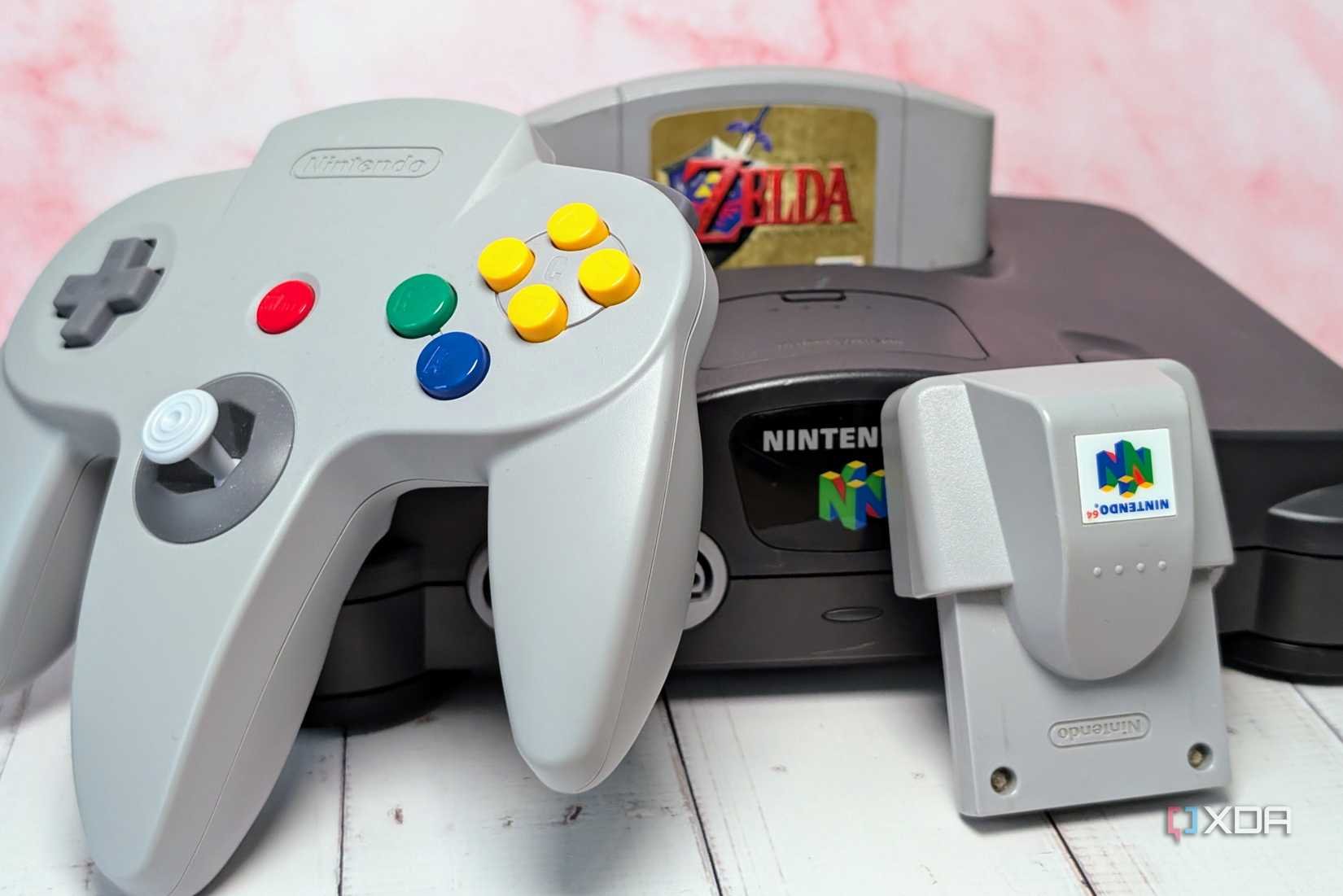
This development also raises interesting questions about the future of retro gaming communities. With online play becoming more viable, we may see the emergence of competitive scenes for classic titles that were previously limited to local tournaments. Games like Super Smash Bros. 64, Mario Kart 64, and even lesser-known titles could find new life through online competitive play.
Comparison with Other Netcode Approaches
Prior to rollback netcode, most N64 emulation projects relied on traditional delay-based netcode or peer-to-peer solutions with significant input lag. These approaches often made online play feel sluggish and unresponsive, detracting from the fast-paced gameplay that defined many N64 titles.
Some alternative approaches have attempted to mitigate these issues:
- Delay-based netcode with buffer reduction: Reducing the input buffer to decrease lag but increasing the likelihood of desynchronization.
- Client-side prediction: Predicting local inputs but not opponent actions, leading to one responsive player and one delayed player.
- Frame delay synchronization: Attempting to align game states between players but still suffering from inherent latency.
Rollback netcode surpasses these approaches by providing responsive gameplay for all participants while maintaining game state consistency through prediction and correction.
Setting Up RMG-K for Online Play
For those interested in trying RMG-K with the new rollback netcode, the setup process is relatively straightforward:
- Download the latest version of RMG-K from the official GitHub repository
- Configure the netcode settings in the emulator's options menu
- Connect to a matchmaking server or share your game room code with a friend
- Launch your favorite N64 title and enjoy significantly improved online play
The emulator also includes options to adjust rollback buffer size and prediction settings, allowing users to fine-tune the experience based on their network conditions and preferences.
Future Developments
The RMG-K team has outlined several planned improvements for the rollback netcode implementation:
- Expanded support for 3-4 player matches
- Better handling of unstable network conditions
- Integration with popular gaming platforms like Discord for easier matchmaking
- Performance optimizations to reduce system resource requirements
Additionally, the success of this implementation may inspire other N64 emulators like Project64 or Mupen64Plus to adopt similar approaches, potentially leading to a new standard for online retro gaming.
Conclusion
The addition of rollback netcode to RMG-K represents a significant leap forward for online N64 gaming. While limitations remain, particularly regarding player count, the technology finally makes 1v1 matches in classic titles feel responsive and playable over the internet. This development not only enhances the experience for retro gamers but also demonstrates the ongoing innovation in the emulation community.
As the technology matures and expands to support more players and additional consoles, we may see a renaissance of online competitive retro gaming. For now, though, N64 fans can finally experience the thrill of GoldenEye or Mario Kart 64 against friends across the country with minimal input delay—a dream that was once thought impossible.
Comments
Please log in or register to join the discussion