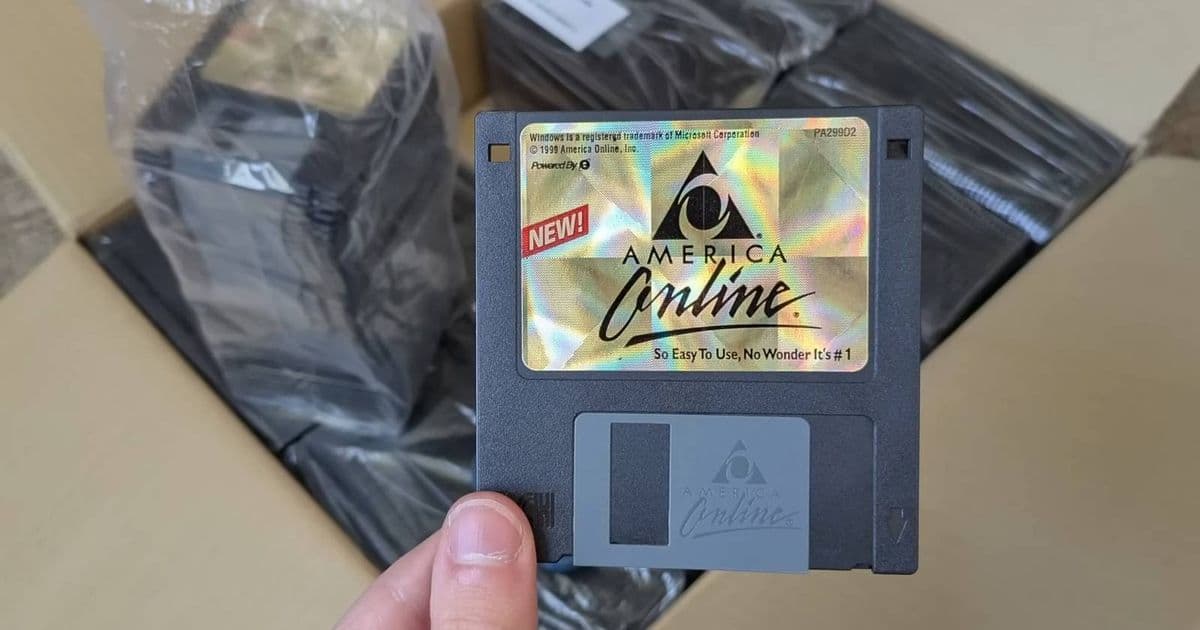
A developer loaded Factorio onto over 1,000 AOL floppy disks using custom software, enduring week-long loading times and manual disk swaps for every sound effect.
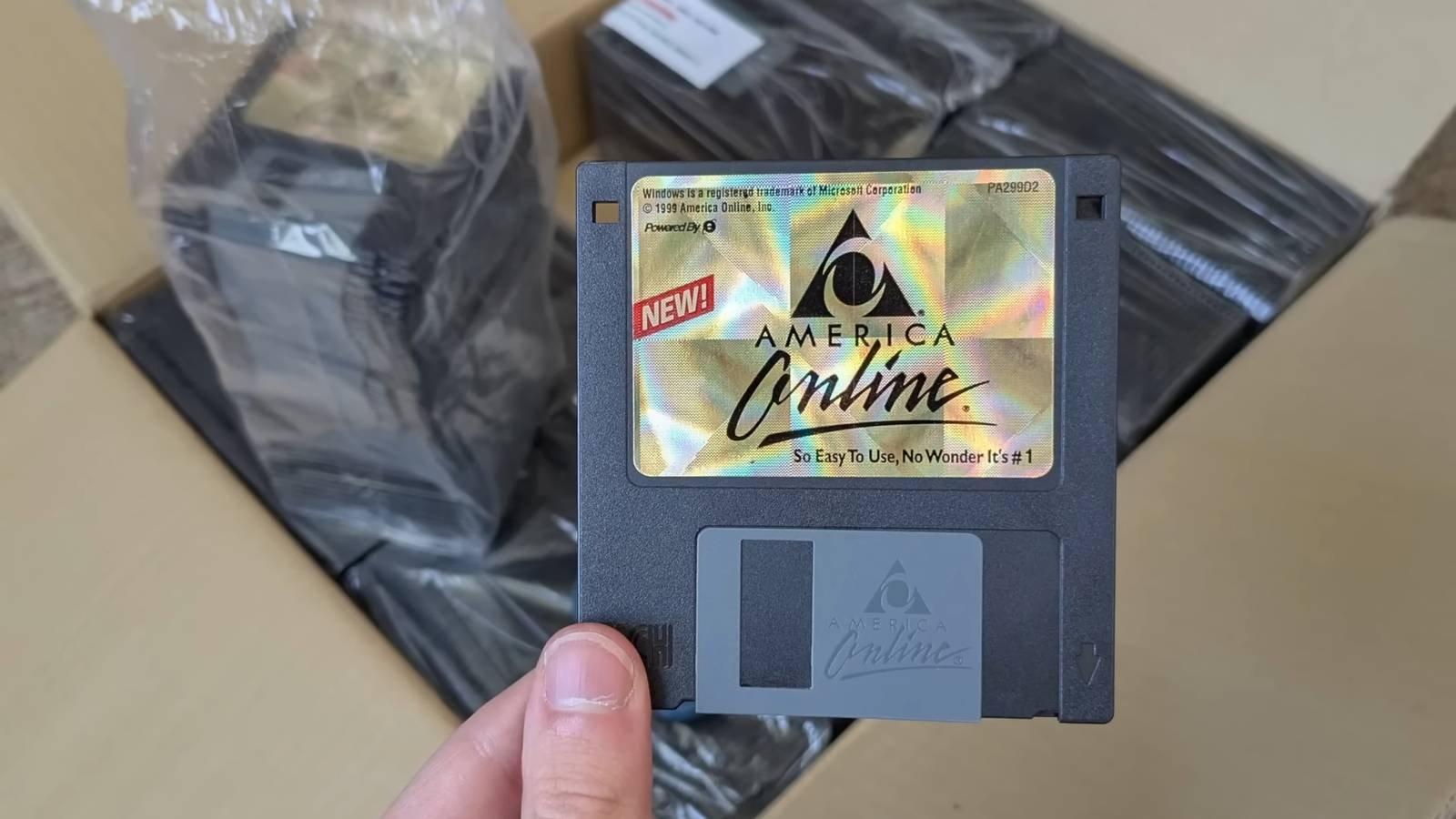
In an extraordinary feat of retro computing persistence, a developer has successfully run the complex automation game Factorio using data distributed across 1,000 AOL floppy disks. The project, documented by YouTube creator DocJade, transformed obsolete storage media into a functional game platform through custom software engineering.
The technical execution relied on Fluster, a specialized tool that pools data across multiple storage devices. This allowed Factorio to run without traditional installation by dynamically accessing content spread across hundreds of disks. Each standard 1.44MB floppy disk held fragments of the game's total 1.5GB footprint, requiring precisely coordinated data retrieval.
Obtaining the disks presented its own challenge. As AOL discontinued its dial-up services, the company discarded massive quantities of promotional floppy disks. DocJade acquired these surplus disks just as they became available, repurposing what would have been e-waste into an experimental gaming platform.
The loading process proved exceptionally demanding. Initial game startup required approximately one week of continuous disk swapping during waking hours. Each floppy needed manual insertion in exact sequence as the Fluster system reconstructed the game files piece by piece.
Gameplay introduced further complications. Every sound effect triggered an immediate freeze until the specific disk containing that audio file was located and inserted. This meant combat sequences, machinery sounds, and environmental audio all required real-time disk retrieval mid-gameplay.
Remarkably, DocJade completed the entire Factorio campaign under these constraints. The achievement demonstrates both the physical limitations of legacy storage and surprising software adaptability. Modern storage solutions like SSDs and cloud streaming deliver Factorio's 1.5GB footprint in seconds, while this floppy-based approach required thousands of manual operations.
This experiment serves as a technical case study in filesystem management under extreme constraints. The Fluster software had to handle data fragmentation, error correction across aging magnetic media, and real-time demand loading—all while maintaining game stability. For enthusiasts, it also highlights how discontinued technology can find new purpose in experimental computing projects.
Factorio remains one of PC gaming's most technically demanding titles, making its operation on such primitive hardware particularly noteworthy. While impractical for regular use, the project showcases how creative software engineering can overcome seemingly impossible hardware constraints.
Comments
Please log in or register to join the discussion