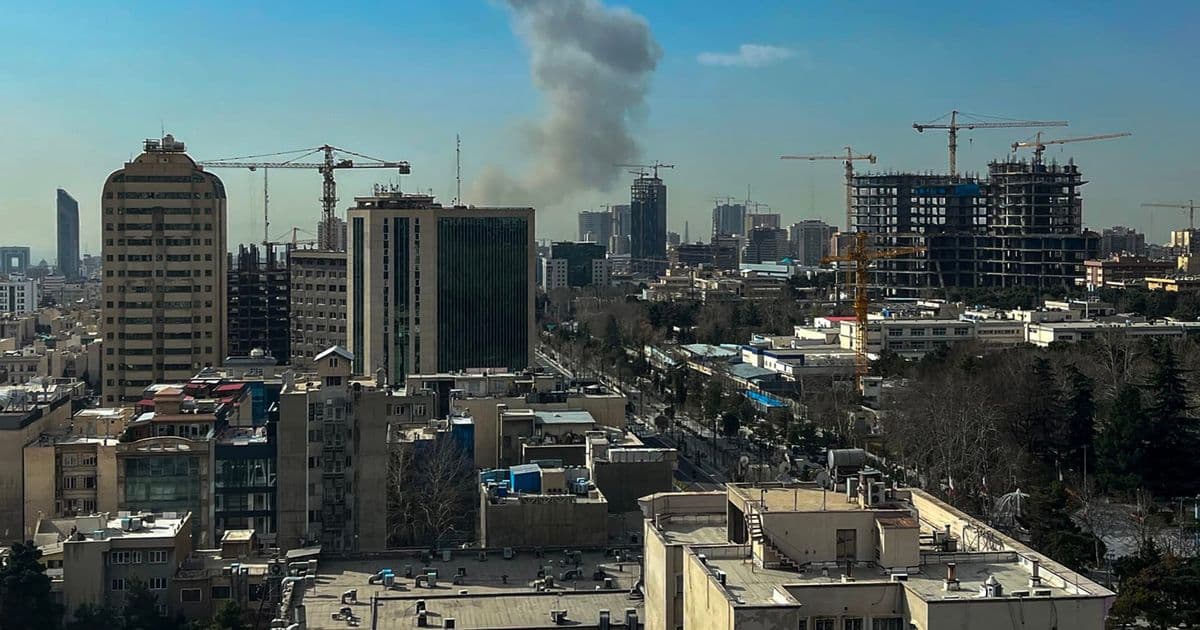
Breaking news: U.S. forces have launched attacks on Iran following Israeli strikes on Tehran, escalating a months-long standoff over Iran's nuclear program and raising fears of broader regional conflict.
A U.S. official has confirmed that American forces have attacked Iran, marking a dramatic escalation in the months-long standoff over Tehran's nuclear program. The strikes come just hours after Israeli forces launched a daylight attack on Iran's capital, with witnesses reporting explosions and smoke rising from downtown Tehran.
Coordinated Military Action
The Israeli military issued a "proactive alert" to its citizens, warning of the possibility of missiles being launched toward Israel. Sirens sounded across the country simultaneously with the reported explosions in Tehran. Israeli Defense Minister Israel Katz described the attack as being done "to remove threats," though he did not elaborate on specific targets.
In Tehran, witnesses reported hearing blasts, and Iranian state television later acknowledged an explosion occurred, though it did not specify the cause. The timing and coordination of these attacks suggest a carefully planned military operation involving both U.S. and Israeli forces.
Months of Diplomatic Deadlock
This military action follows a series of diplomatic failures between Washington and Tehran. The two nations had held three rounds of talks in Switzerland earlier this week, but those discussions failed to bridge the gap between U.S. demands and Iranian positions. Secretary of State Marco Rubio had identified Iran's reluctance to discuss its ballistic missile program as a "big, big problem" in the negotiations.
Iran has consistently maintained that its missile program is separate from nuclear talks, while the U.S. has insisted on addressing both issues simultaneously. The White House had grown increasingly frustrated with Iran's position, stating after previous talks that Tehran was not addressing core American demands.
Strategic Military Buildup
The attacks come amid a significant U.S. military buildup in the Middle East. American forces have assembled a vast fleet of fighter jets and warships in the region, creating what military analysts describe as unprecedented pressure on Iran. This deployment represents one of the largest concentrations of U.S. military power in the region in recent years.
President Donald Trump had previously warned that "really bad things" would happen unless Tehran agreed to a deal over its nuclear program. The timing of the strikes suggests that the administration viewed diplomatic efforts as exhausted and military action as necessary.
Regional Security Implications
The attacks raise serious concerns about regional stability. Iran, a founding member of OPEC, controls the strategically vital Strait of Hormuz, through which approximately 20% of the world's oil passes. Any disruption to shipping through this waterway could have severe consequences for global energy markets.
Energy market participants have already responded to the escalating tensions, with oil prices climbing to six-month highs. The fear of a potential supply shock has traders on edge, as any conflict involving Iran could quickly impact global oil flows.
Historical Context
This is not the first military confrontation between the U.S. and Iran in recent months. Last June, American forces launched strikes on three Iranian nuclear facilities, causing what intelligence reports suggested was severe damage to Tehran's nuclear program. Iran responded with a retaliatory strike on an American air base in Qatar, which reportedly caused minor damage but no casualties.
The current escalation represents a significant intensification of hostilities, with direct attacks on Iranian territory rather than targeted strikes on specific facilities. The involvement of both U.S. and Israeli forces suggests a coordinated strategy that goes beyond previous limited engagements.
International Response
The U.S. military declined to immediately comment on the attack beyond the initial confirmation from the official source. This silence may indicate the sensitivity of the operation and the potential for further military action.
Iran had previously warned the United Nations that it would respond "decisively" if subjected to military aggression. The effectiveness and nature of any Iranian response could determine whether this conflict remains contained or escalates into a broader regional war.
Economic and Market Impact
Beyond the immediate security concerns, the attacks have significant economic implications. The Middle East region is crucial for global energy supplies, and any prolonged conflict could disrupt oil production and transportation.
Financial markets have already shown volatility in response to the news, with investors seeking safe-haven assets. The uncertainty surrounding the scale and duration of potential military operations has created additional pressure on already fragile global markets.
The coming days will be critical in determining whether diplomatic channels can be reopened or whether military action will continue to escalate. The international community will be watching closely for signs of either further conflict or potential de-escalation efforts.
Comments
Please log in or register to join the discussion