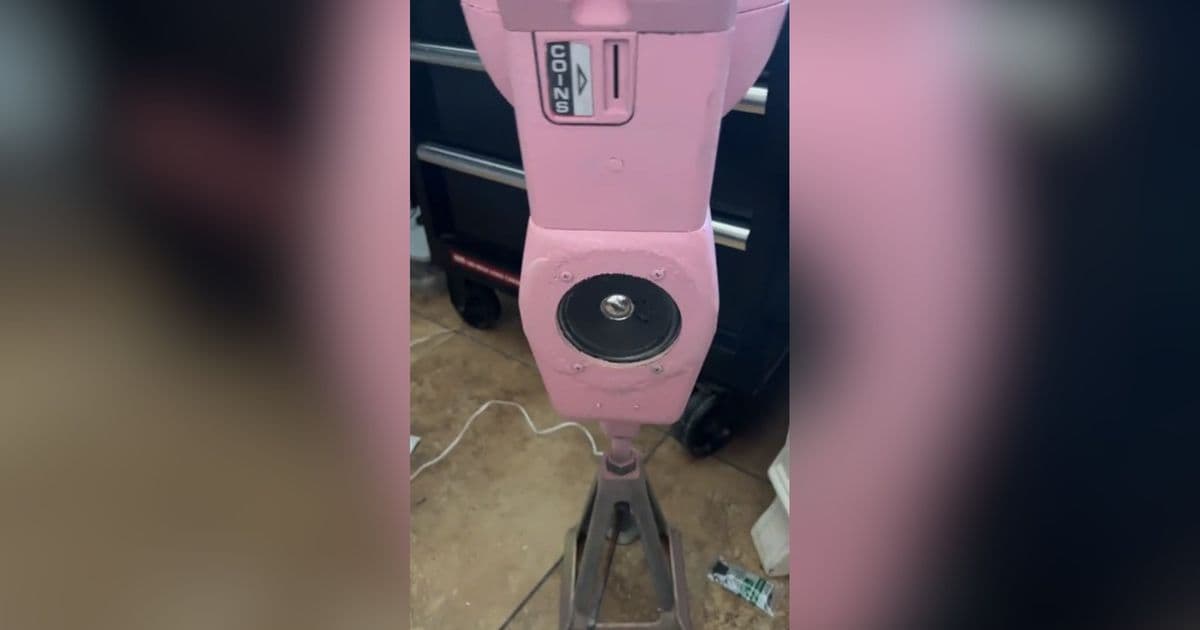
A maker transformed an obsolete parking meter into a coin-operated music player using Raspberry Pi, demonstrating creative hardware repurposing techniques.
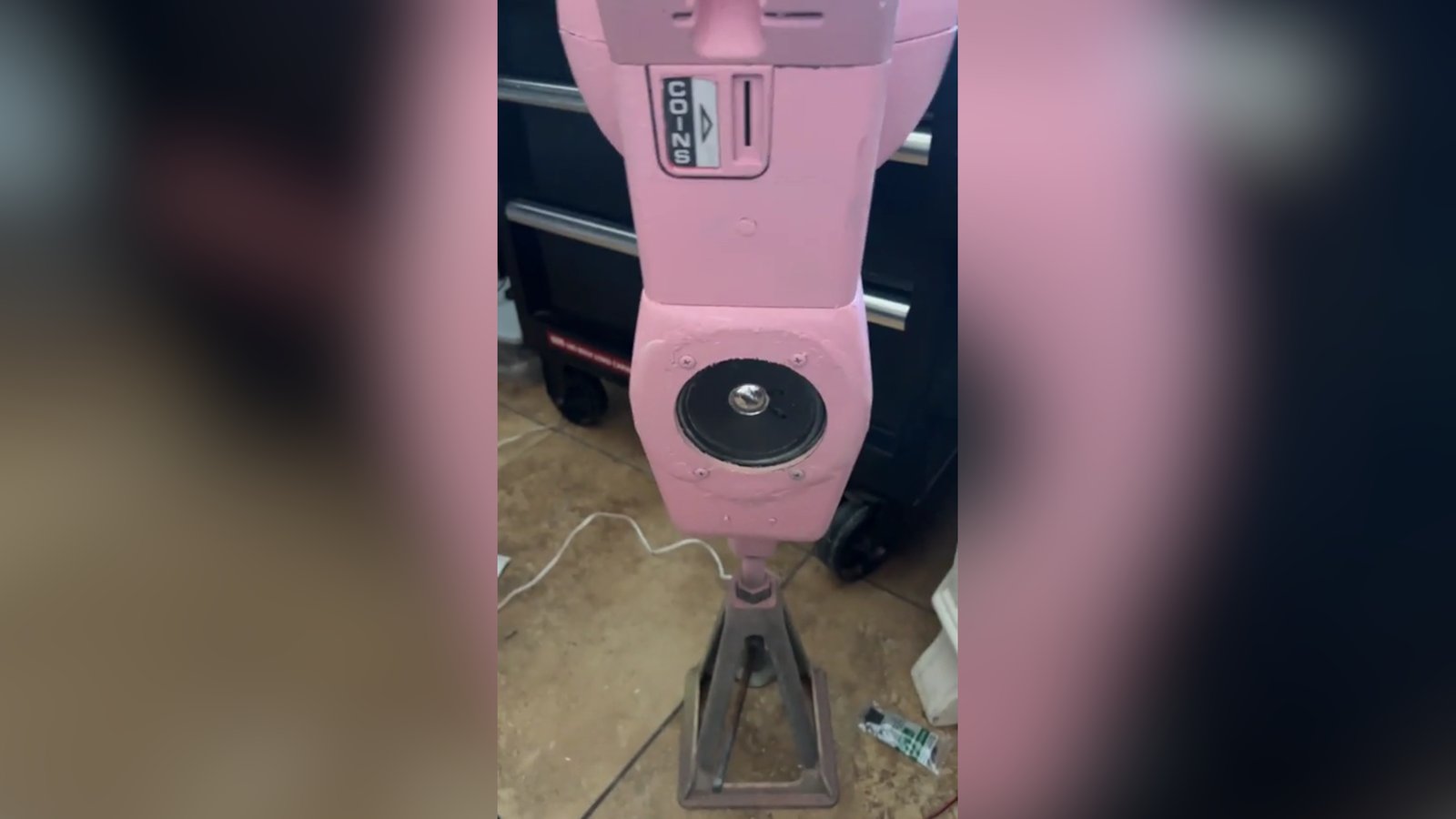
Creative hardware hacking projects continue to push the boundaries of what's possible with single-board computers. The latest example: an obsolete parking meter given new life as a coin-operated music jukebox powered by Raspberry Pi.
The project repurposes the parking meter's original coin mechanism to trigger playback functionality. When coins are inserted, the Raspberry Pi detects signals from the meter's internal electronics through its GPIO pins. This triggers a Python script that initiates music playback from a curated library stored on the device.
Several technical challenges required innovative solutions:
Coin Mechanism Integration: The original coin acceptor was rewired to send electrical pulses to the Raspberry Pi's GPIO header. Each coin denomination generates unique pulse patterns that Python interprets using RPi.GPIO library functions.
Audio System: A compact USB audio interface connects to the Raspberry Pi's USB port, driving external speakers hidden within the meter's housing. The system uses MPD (Music Player Daemon) for reliable playback control.
User Interface: The parking meter's original seven-segment display was replaced with a 3.5-inch LCD screen showing song selections. A rotary encoder mounted behind the meter's faceplate enables navigation through the music library.
Power Management: An internal buck converter transforms the meter's original 12V power supply to the 5V required by the Raspberry Pi, maintaining the device's external power cord functionality.
This implementation showcases several useful techniques for hardware projects:
- Interfacing with industrial mechanical components
- Repurposing vintage enclosures for modern electronics
- Creating physical interfaces using GPIO input handling
- Implementing efficient power solutions for embedded systems
The complete build demonstrates how discontinued hardware can find new purpose through creative engineering. For those interested in similar projects, the Raspberry Pi GPIO documentation provides essential reference material for hardware interfacing. While no public repository exists for this specific build, the concepts translate to other retrofitted interfaces like arcade cabinets or vending machines.
As municipalities phase out analog parking meters, similar surplus hardware becomes increasingly available through electronics recyclers and online marketplaces. This project serves as inspiration for giving functional components new life in unexpected ways while maintaining their tactile interaction experience.
Comments
Please log in or register to join the discussion