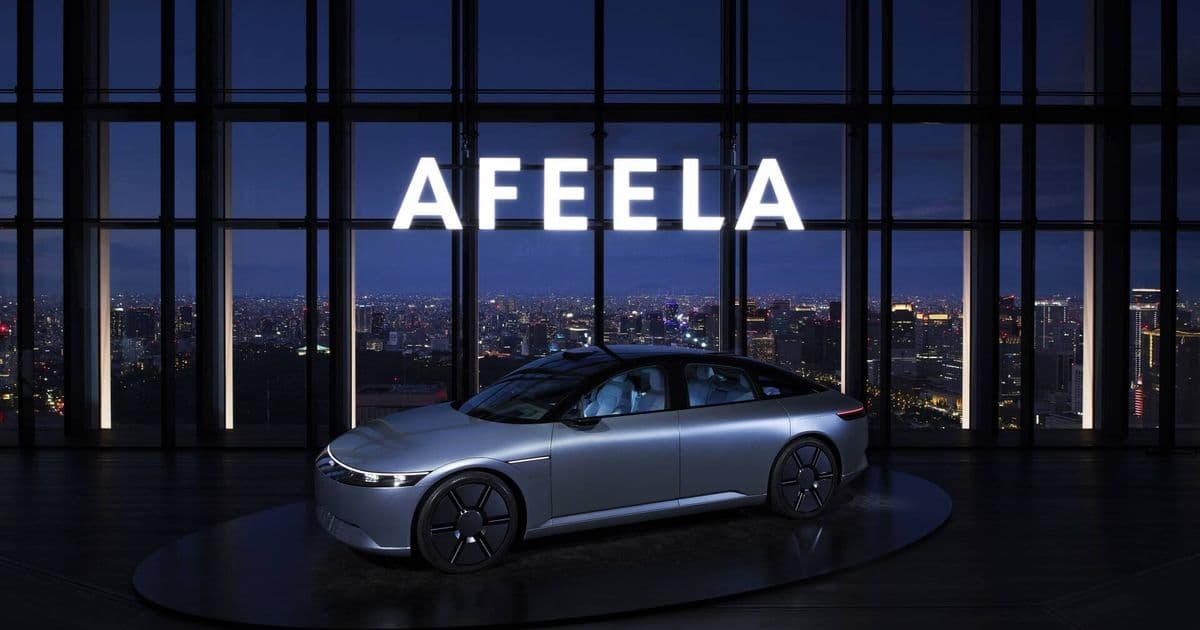
Sony and Honda have terminated their joint electric vehicle venture, citing competitive pressures and market challenges as reasons for abandoning the Afeela car project.
Sony and Honda have officially ended their electric vehicle partnership, marking the demise of their ambitious Afeela project that aimed to revolutionize the automotive industry with a software-defined electric car. The Japanese electronics and automotive giants announced yesterday that they would discontinue development of the Afeela 1 and its planned successor models, effectively parking the vehicle before it ever hit the road.
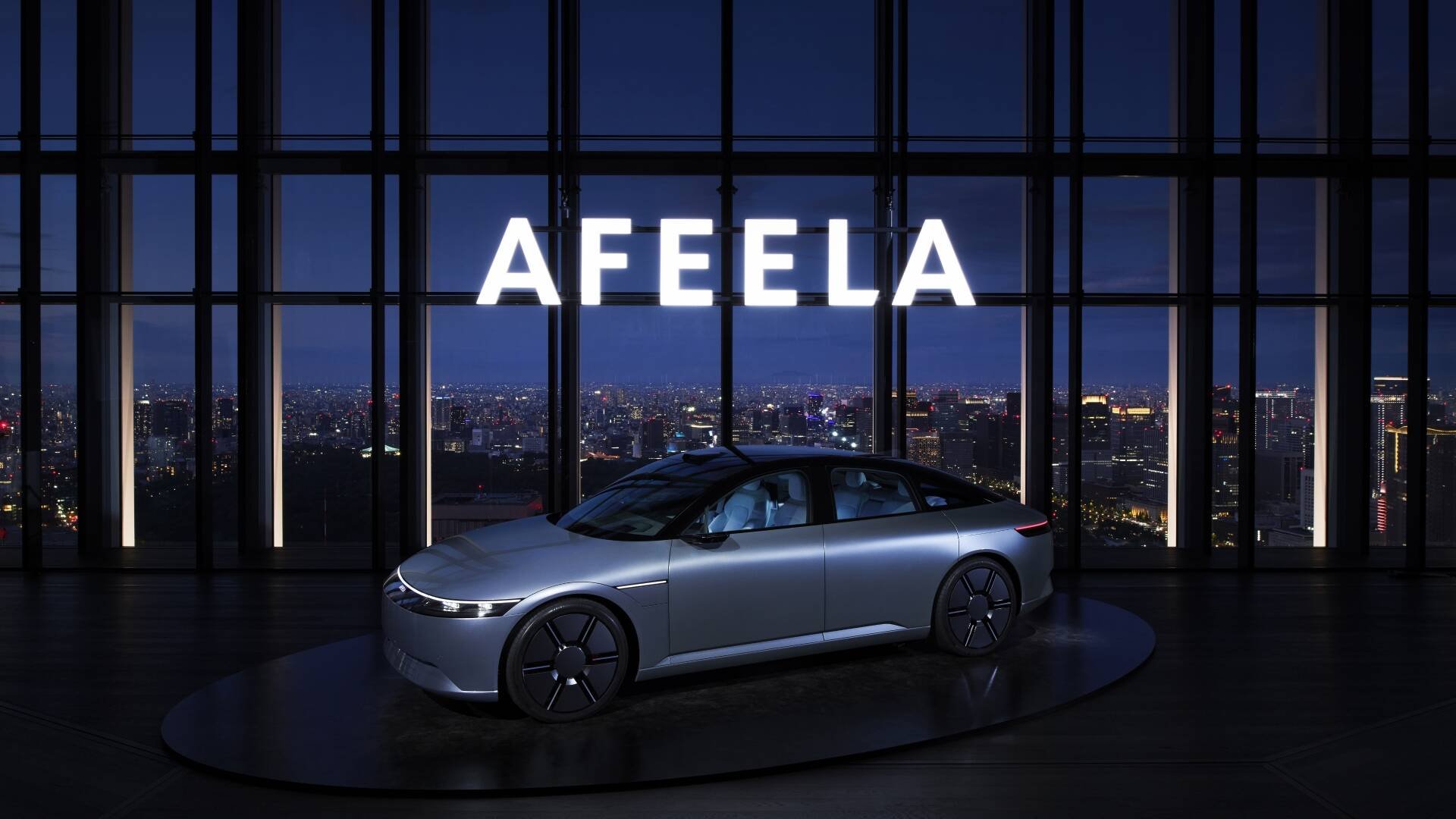
The partnership, formed in 2022 under the name Sony Honda Mobility (SHM), represented a bold attempt to combine Sony's expertise in consumer electronics, entertainment, and software with Honda's automotive engineering prowess. The collaboration produced the Afeela prototype, which showcased an innovative approach to in-car experiences with customizable interior displays and third-party app ecosystems.
However, the automotive landscape proved too challenging for the joint venture. The primary catalyst for the breakup was Honda's recent decision to cancel three electric vehicles planned for the US market. The Japanese automaker cited multiple factors contributing to this reversal, including US tariffs, the Trump administration's reduction of electric vehicle purchase incentives, and intensifying competition from emerging Chinese EV manufacturers.
Honda's assessment of the market revealed a stark reality: newer EV manufacturers were delivering superior vehicles at faster development cycles and more competitive price points. "In such a difficult competitive environment, Honda was unable to deliver products that offer value for money better than that of newer EV manufacturers, resulting in a decline in competitiveness," the company admitted in its statement.
The competitive pressures proved insurmountable even with Sony's extensive consumer technology experience factored in. Without access to certain technologies and assets that Honda had originally planned to provide, SHM determined it lacked a viable path forward to bring the Afeela models to market as initially envisioned.
This development represents a significant setback for Sony's automotive ambitions. The company had positioned itself as a potential disruptor in the automotive sector, leveraging its strengths in imaging technology, entertainment systems, and user interface design. The Afeela concept promised to transform vehicles into mobile entertainment and productivity hubs, with the car becoming the "center of the mobility experience."
For Honda, the decision reflects the brutal realities facing established automakers in the electric vehicle transition. Traditional manufacturers are struggling to match the speed, efficiency, and innovation of newer entrants, particularly from China, where companies like BYD have rapidly ascended to global leadership positions in EV production.
The termination of the Sony Honda Mobility venture also eliminates what many industry observers considered one of the more intriguing possibilities in the automotive sector. The Afeela prototype, unveiled in 2023, demonstrated a vision for vehicles that blurred the lines between transportation and entertainment platforms, featuring extensive display surfaces and software-defined capabilities that could be customized by users.
While the Afeela project won't proceed, the automotive industry continues to evolve rapidly. Other manufacturers have adopted similar design philosophies, incorporating large displays and software-centric approaches in their vehicles. The concepts that SHM explored through Afeela have found their way into production vehicles from various automakers, suggesting that while the specific partnership failed, the underlying vision for software-defined vehicles remains compelling.
The breakup raises questions about the future of technology companies' ambitions in the automotive sector. Sony's experience mirrors challenges faced by other tech giants exploring vehicle manufacturing, highlighting the significant barriers to entry in an industry dominated by established players with deep manufacturing expertise and supply chain advantages.
For consumers, the cancellation means the loss of what could have been a unique option in the electric vehicle market. The Afeela promised a distinctive blend of Sony's entertainment ecosystem and Honda's reliability, potentially offering an alternative to the current crop of EVs from traditional automakers and new entrants alike.
The automotive industry continues to grapple with fundamental questions about the future of transportation, including the pace of electrification, the role of software in vehicles, and the competitive dynamics between established manufacturers and new players. Sony and Honda's failed partnership serves as a reminder that even well-resourced collaborations between industry leaders can struggle to navigate these complex challenges.
As the dust settles on the Afeela project, both companies will likely reassess their automotive strategies. Sony may continue to explore opportunities in the mobility space through different partnerships or approaches, while Honda will need to find ways to compete more effectively in an increasingly crowded and competitive electric vehicle market dominated by faster-moving competitors.
Comments
Please log in or register to join the discussion