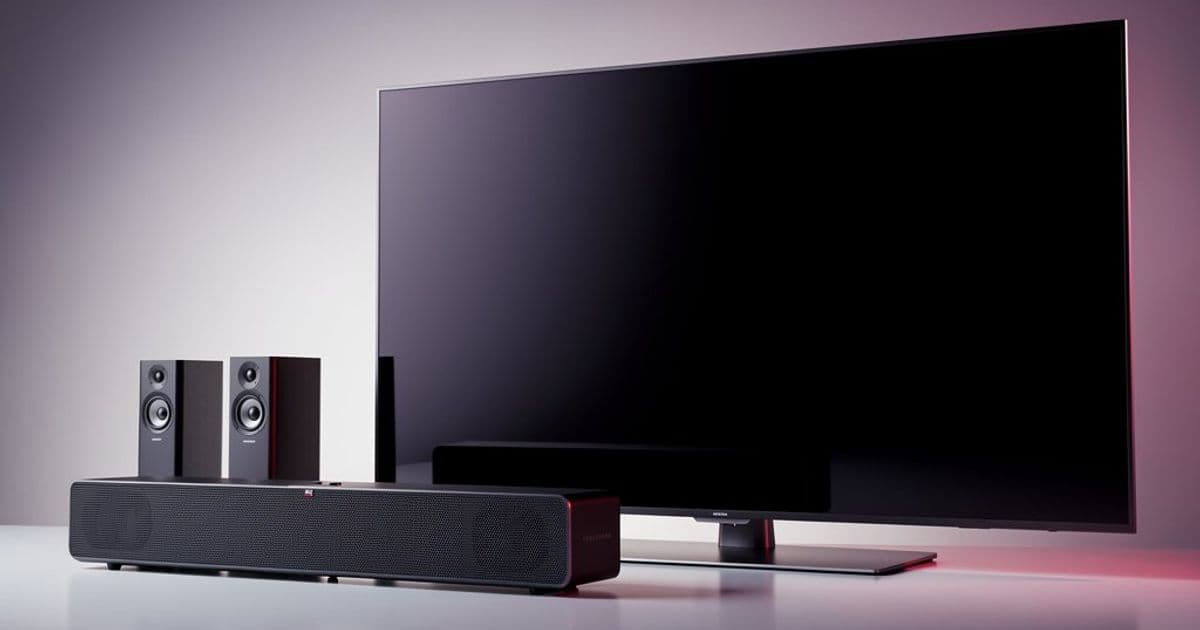
Sony's TV and home audio division will transition to a TCL-controlled joint venture combining Sony's imaging technology with TCL's manufacturing scale.
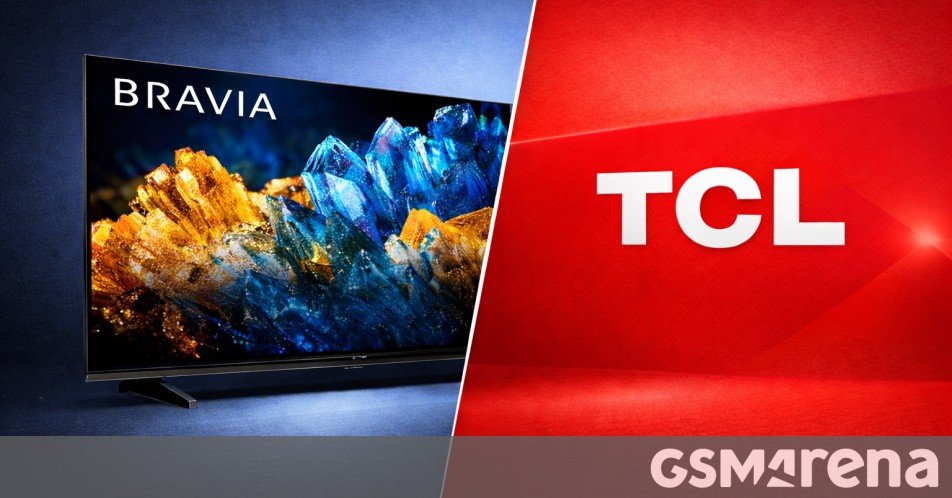
In a significant shift for the consumer electronics industry, Sony and TCL have announced a binding agreement to form a joint venture for Sony's TV and home audio business operations. Under the terms of the deal, TCL will hold a controlling 51% stake in the new entity, with Sony retaining 49% ownership. The arrangement represents a strategic realignment of Sony's visual products division, which includes its renowned Bravia TV lineup and home theater systems.
The core technological exchange underpinning this partnership leverages complementary strengths: Sony contributes its premium picture processing algorithms including the Cognitive Processor XR technology, advanced audio engineering like Acoustic Surface Audio+, and the valuable Bravia/Sony brand equity. TCL brings its vertically integrated display manufacturing capabilities, panel production resources, and global distribution infrastructure. According to the official statement, products will continue carrying Sony and Bravia branding, preserving the premium positioning consumers associate with these labels.
From an ecosystem perspective, this venture raises important considerations about software continuity. Current Sony TVs utilize the Android TV/Google TV operating system with deep integration into Sony's PlayStation ecosystem and proprietary features like Bravia Core streaming. TCL TVs typically run Google TV or Roku OS depending on regional variants. The joint venture will need to clarify whether future Sony-branded TVs will maintain their current OS implementations or transition to TCL's software environment. This decision could impact smart home integrations, voice assistant compatibility (Google Assistant vs. Alexa), and gaming-specific features optimized for PlayStation connectivity.
On the audio front, Sony's soundbar and home theater products face similar ecosystem questions regarding wireless protocols (Wi-Fi, Bluetooth LDAC) and multi-room audio synchronization. The preservation of Sony's proprietary 360 Spatial Sound Mapping technology and its calibration systems will be crucial for maintaining audio quality standards.
The manufacturing transition introduces potential hardware implications. While Sony currently sources panels from various suppliers including LG Display and its own Japan Display venture, TCL's ownership of CSOT (China Star Optoelectronics Technology) provides direct access to advanced panel technologies including Mini-LED production and next-generation OLED research. This could accelerate the adoption of higher-end display technologies in Sony-branded TVs while potentially reducing manufacturing costs.
Regulatory approvals across multiple jurisdictions must be secured before the agreement finalizes by March 2026, with operational commencement targeted for April 2027. The timeline allows for a structured transition of engineering teams, supply chain integration, and software platform decisions. Industry analysts will monitor how the venture navigates regional market dynamics, particularly in regions where Sony maintains premium brand positioning versus TCL's value-oriented approach.
This partnership reflects broader industry trends of consolidation in the competitive TV market, where scale advantages in panel procurement and manufacturing efficiency increasingly determine competitiveness. For consumers, the critical factors will be whether Sony's renowned picture quality calibration and motion processing expertise continue to define the viewing experience in future products bearing the Bravia name.
Comments
Please log in or register to join the discussion