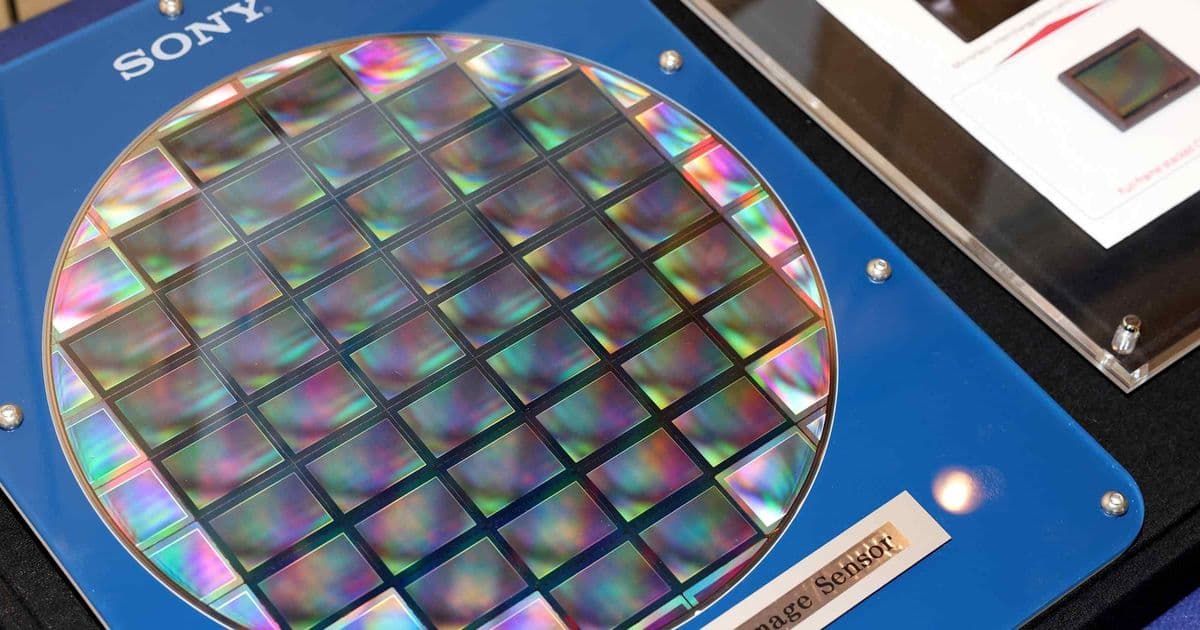
Sony, the global leader in image sensor manufacturing, is deepening its partnership with TSMC to develop AI-optimized next-generation sensors for the fast-growing robotics and automotive sectors, as the company projects double-digit profit growth driven by rising specialized chip demand.
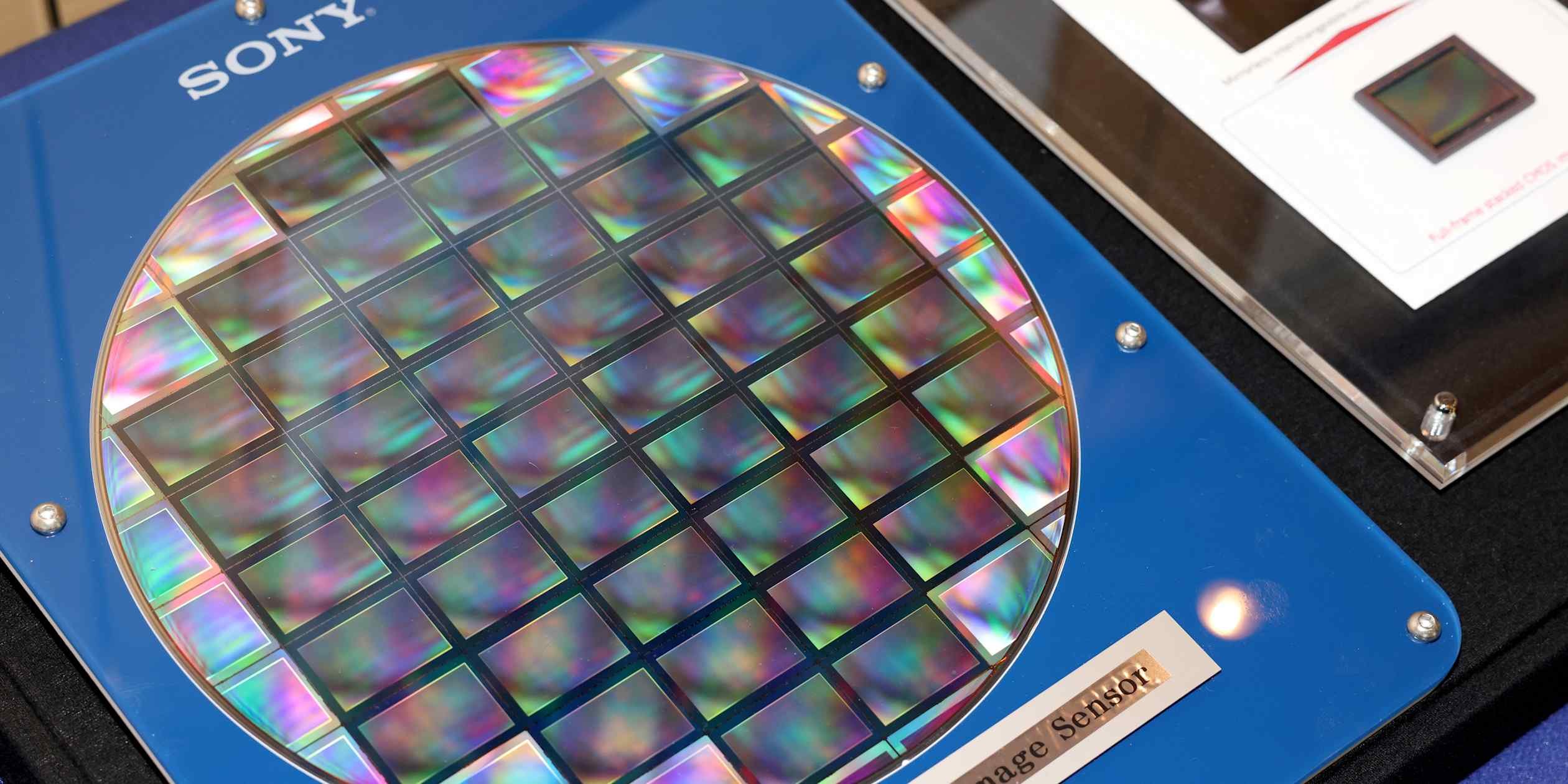 Sony is the global leader in manufacturing image sensors used in smartphones, as well as in automotive and industrial applications. (Photo by Toshiki Sasazu)
Tokyo-based Sony Group announced on May 8, 2026, that it will deepen its long-standing partnership with Taiwan Semiconductor Manufacturing Co. (TSMC) to co-develop next-generation image sensors optimized for artificial intelligence workloads. The collaboration targets expansion into the fast-growing robotics and automotive sectors, as the Japanese conglomerate forecasts double-digit profit growth amid sustained demand for specialized semiconductors.
The company, which leads global image sensor manufacturing for smartphones, automotive systems and industrial applications, framed the expanded tie-up as a core part of its strategy to capture demand for edge computing components. Next-generation AI image sensors will integrate on-sensor processing capabilities to handle computer vision tasks locally, reducing latency and bandwidth requirements for connected devices. This functionality is critical for advanced driver-assistance systems (ADAS) in passenger vehicles, autonomous mobile robots used in logistics, and industrial automation equipment.
Sony separately forecast double-digit profit growth for its current fiscal period, citing rising orders for specialized chips and gains from intellectual property licensing. The company lifted its full-year profit outlook earlier this year, attributing the revision to stronger-than-expected sensor demand and one-time IP income. Japan’s government also recently allocated 380 million U.S. dollars in subsidies to Sony to support domestic image sensor production, a policy move aligned with broader efforts to strengthen local semiconductor supply chains.
Market Context
The global image sensor market is shifting toward AI-optimized components as more devices require on-device computer vision processing. Smartphones, long the largest end market for sensors, now account for a shrinking share of growth as consumers hold devices longer and upgrade cycles stretch. Sony’s leadership in sensor design, combined with TSMC’s advanced semiconductor manufacturing capacity, positions the partnership to capture demand from automakers and robotics firms that require high-performance, low-power sensors for safety-critical applications.
TSMC is the world’s largest contract chip manufacturer, producing the vast majority of advanced semiconductors with nodes smaller than 7 nanometers. The company has existing partnerships with Sony, including a joint venture fab in Kumamoto, Japan, that began production in 2024 to supply sensors and other specialized chips to Japanese clients. Deepening the partnership will give Sony priority access to TSMC’s advanced manufacturing capacity, which is critical for producing next-generation sensors with integrated AI processing units.
Sony’s sensor division, operated under Sony Semiconductor Solutions, contributed 28% of the company’s total operating profit in its most recent fiscal year. Smartphone sensors still account for roughly 60% of the division’s revenue, but growth in this segment has slowed to single digits annually as the global smartphone market matures. Automotive and industrial sensor segments, by contrast, have grown at double-digit rates over the past three years, driven by increased adoption of ADAS and factory automation.
Strategic Implications
Sony’s automotive strategy has shifted in recent years from building complete vehicles to supplying core components to automakers. The company dissolved its electric car joint venture with Honda in early 2026, opting instead to focus on high-margin sensor and software sales to automotive clients. Image sensors are among the most expensive components in ADAS systems, with high-end vehicles requiring up to 12 sensors per unit. Capturing a larger share of this market will help Sony offset slowing growth in its smartphone sensor business and meet its double-digit profit growth targets.
The logistics robotics market presents another key growth opportunity. E-commerce firms and third-party logistics providers are rapidly automating warehouse operations to reduce labor costs and improve efficiency. AI image sensors enable autonomous mobile robots to navigate dynamic environments, identify packages, and avoid obstacles without relying on cloud-based processing, which reduces latency and improves reliability. Sony already supplies sensors to major robotics firms, and the next-generation components developed with TSMC will offer higher resolution and lower power consumption, key requirements for battery-powered mobile robots.
The partnership also aligns with Japan’s national semiconductor strategy, which aims to double domestic chip production by 2030. The 380 million U.S. dollar subsidy awarded to Sony will offset capital expenditures for new production equipment at its Japanese fabs, improving the sensor division’s profit margins. Closer collaboration with TSMC will also allow Sony to co-optimize sensor designs with manufacturing processes, reducing development cycles and time to market for new products.
Risks and Challenges
The partnership is not without hurdles. TSMC’s advanced manufacturing capacity is in high demand from clients across the tech industry, including leading AI chip designers and smartphone makers. Sony will need to negotiate favorable allocation terms to ensure it can meet growing sensor orders, particularly as automotive and robotics clients increasingly sign long-term supply contracts with fixed volume commitments. Rising raw material costs and ongoing semiconductor equipment shortages could also delay production of next-generation sensors, pushing back commercial rollout timelines.
Competition in the AI image sensor market is also intensifying. Samsung Electronics, Sony’s closest rival in the image sensor space, has accelerated its own development of AI-optimized sensors, with plans to mass-produce 200-megapixel sensors with integrated neural processing units by 2027. OmniVision Technologies, another key competitor, has focused on low-power sensors for automotive and industrial applications, undercutting Sony on price in some segments. Sony will need to maintain its technological lead and cost competitiveness to retain its market share as the sector grows.
This article was originally reported by Nikkei Asia.
Comments
Please log in or register to join the discussion