A financially motivated phishing campaign has compromised over 80 organizations by using legitimate SimpleHelp and ScreenConnect RMM tools to establish persistent remote access, creating a sophisticated dual-channel architecture that evades traditional security defenses.
A sophisticated phishing campaign targeting over 80 organizations, primarily in the United States, has been leveraging legitimate Remote Monitoring and Management (RMM) software to establish persistent remote access to compromised systems. The activity, tracked by security researchers under multiple codenames including VENOMOUS#HELPER and STAC6405, represents a concerning evolution in attack techniques that abuse trusted software for malicious purposes.

The Attack Vector: Social Security Impersonation
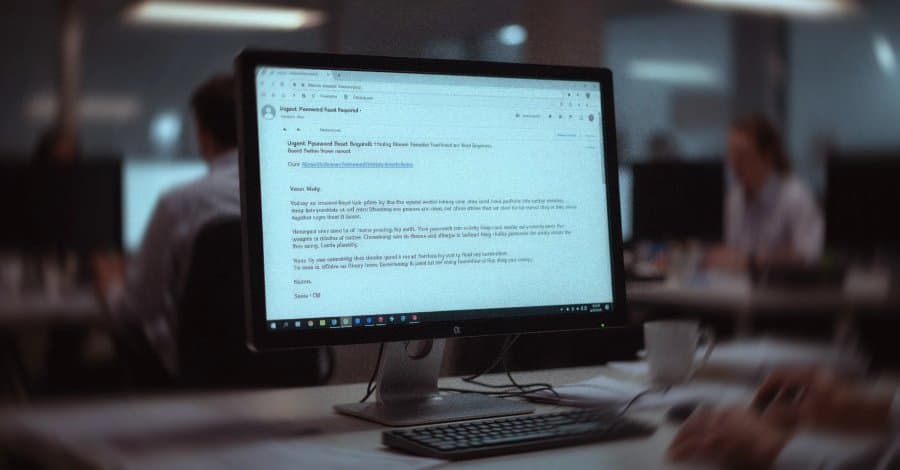
The campaign begins with a carefully crafted phishing email impersonating the U.S. Social Security Administration (SSA). Victims receive messages instructing them to verify their email address and download a purported SSA statement. The embedded link directs users to a legitimate-but-compromised Mexican business website (gruta.com[.]mx), demonstrating a deliberate strategy to bypass email security filters by using compromised trusted domains.
"The use of compromised legitimate websites as initial staging grounds has become increasingly common," explains Akshay Gaikwad, security researcher at Securonix. "Attackers understand that security solutions are more likely to flag suspicious domains rather than compromised legitimate ones."
Once on the compromised site, victims download the supposed "SSA statement" from a second attacker-controlled domain (server.cubatiendaalimentos.com[.mx]), which contains a JWrapper-packaged Windows executable. Researchers believe attackers gained access through a single compromised cPanel user account on the hosting server to stage the malicious binary.
Dual-Channel RMM Architecture
The most concerning aspect of this campaign is the attackers' use of both SimpleHelp and ScreenConnect RMM tools to create what researchers call a "redundant dual-channel access architecture." This approach ensures continued access even if one of the RMM tools is detected and blocked.
"The deployment of both SimpleHelp and ScreenConnect indicates a sophisticated understanding of defensive measures," notes Shikha Sangwan, another Securonix researcher. "By establishing multiple access channels, attackers maintain persistence even when security teams identify and attempt to remove one vector."
When victims execute the malicious file, believing it to be a legitimate document, the malware installs itself as a Windows service with Safe Mode persistence. The implementation includes several persistence mechanisms:
- A "self-healing watchdog" that automatically restarts the service if terminated
- Periodic enumeration of registered security products via the root\SecurityCenter2 WMI namespace every 67 seconds
- User presence polling every 23 seconds to maintain activity
Elevated Privileges and Remote Access
The SimpleHelp remote access client acquires SeDebugPrivilege through AdjustTokenPrivileges, while using a legitimate executable file associated with the software ("elev_win.exe") to gain SYSTEM-level privileges. This elevated access allows attackers to:
- Read the victim's screen
- Inject keystrokes
- Access user-context resources
- Execute commands silently
- Transfer files bidirectionally
- Pivot to adjacent systems
"The deployed SimpleHelp version (5.0.1) provides comprehensive remote administration capabilities," researchers explained. "Standard antivirus and signature-based controls see nothing but legitimately signed software from a reputable U.K. vendor."
The ScreenConnect Fallback
In a particularly concerning twist, attackers don't stop at just establishing access through SimpleHelp. They also deploy ConnectWise ScreenConnect as a fallback communication mechanism. This dual approach ensures continued access even if security teams identify and block the SimpleHelp channel.
"This demonstrates a shift in attacker tactics from simply gaining initial access to establishing resilient, persistent access methods," observes Aaron Beardslee, Securonix security researcher. "The use of legitimate RMM tools represents a significant challenge for detection systems."
Attribution and Motivation
While the exact threat group behind this campaign remains unclear, researchers note several indicators pointing toward financially motivated actors. The campaign aligns with characteristics of either an Initial Access Broker (IAB) operating as a service to other threat actors or a ransomware precursor operation preparing networks for future attacks.
"The meticulous approach to establishing persistent access through legitimate tools suggests this is either a financially motivated IAB or a reconnaissance operation for future ransomware deployment," security analysts report. "The level of operational sophistication indicates a well-resourced threat actor."
Detection and Prevention Strategies
Organizations face significant challenges in detecting this type of attack due to the use of legitimate software. However, several detection strategies can help identify potential compromises:
- Network Monitoring: Look for unusual outbound connections to known RMM infrastructure
- Process Monitoring: Monitor for suspicious process chains involving RMM executables
- User Behavior Analytics: Detect anomalous activities during non-business hours
- Configuration Review: Audit RMM tool deployments for unusual configurations
- Email Security: Implement advanced phishing protection that can detect SSA impersonation attempts
"Security teams need to adopt a zero-trust approach even for legitimate software," recommends cybersecurity expert Dr. Elena Rodriguez. "Just because a binary is signed by a reputable vendor doesn't mean it's being used as intended."
Broader Implications for RMM Security
This campaign highlights growing concerns about the security implications of widely deployed RMM tools. While these tools provide essential functionality for IT operations, their legitimate nature makes them attractive for attackers seeking to bypass security controls.
Organizations using SimpleHelp, ScreenConnect, or similar RMM solutions should consider implementing additional security measures such as:
- Multi-factor authentication for RMM access
- Network segmentation limiting RMM communication
- Regular audits of RMM deployments and configurations
- Behavioral analytics to detect anomalous usage patterns
- Just-in-time access for RMM tools rather than persistent connections

The ongoing nature of this campaign, which has been active since at least April 2025, underscores the evolving threat landscape where attackers increasingly leverage legitimate software for malicious purposes. As organizations continue to rely on RMM tools for remote management, the security community must develop new approaches to detect and prevent such sophisticated abuse of trusted software.
For more information on this campaign, organizations can refer to the detailed reports from Securonix and Sophos, which provide additional technical details and detection guidance.
Comments
Please log in or register to join the discussion