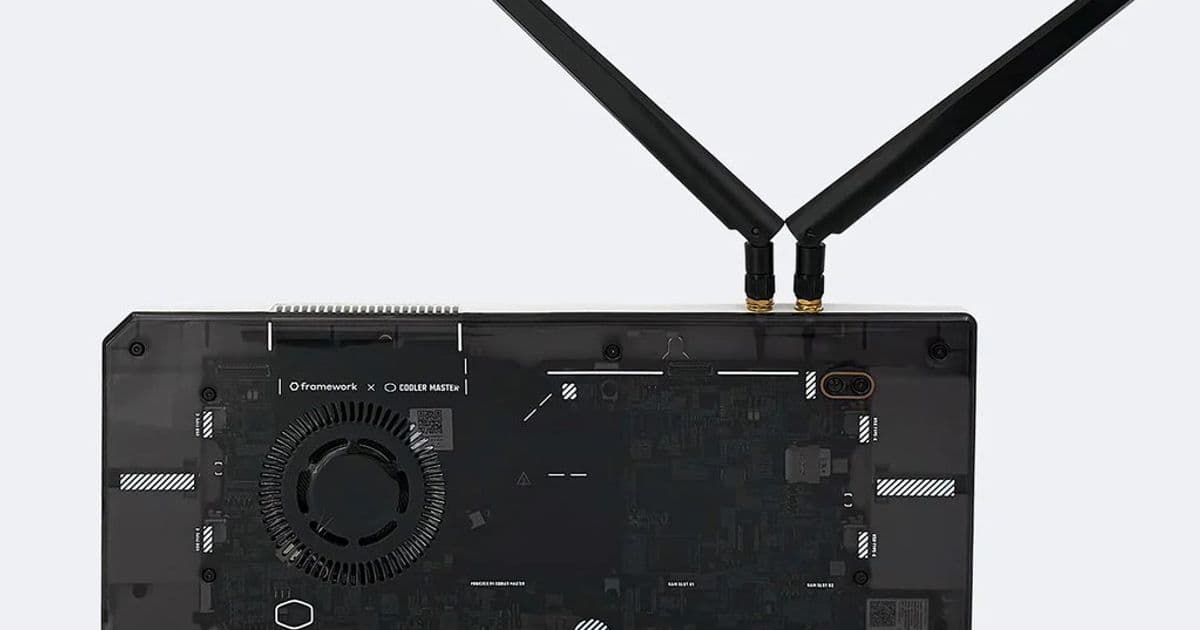
The DC‑ROMA RISC‑V Mainboard III, built around a 2.5 GHz SpacemiT K3 octa‑core, is now available for $699 and up. It fits the Framework Laptop 13 chassis, supports the RVA23 profile, and ships with a developer‑focused Ubuntu 26.04 image.
New RISC‑V mainboard for the Framework Laptop 13
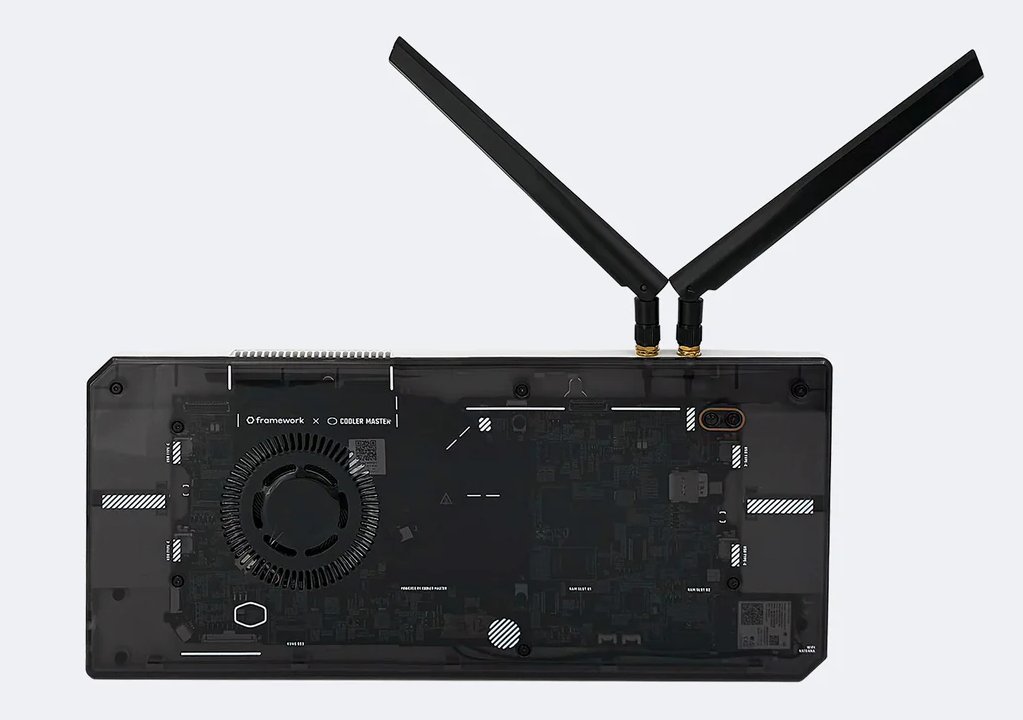
The DC‑ROMA RISC‑V Mainboard III is finally on sale, starting at $699. It is the third generation of Deep Computing’s plug‑in boards that slot into the modular chassis of a Framework Laptop 13. What sets this model apart is the SpacemiT K3 processor – a 2.5 GHz octa‑core RISC‑V CPU that supports the RVA23 profile and claims up to 60 TOPS of AI inference performance.
Why this matters for developers
- Native RISC‑V on a mainstream laptop – Until now, most RISC‑V development boards were single‑board computers or hobbyist kits. By fitting the K3 inside a Framework laptop, you get a full‑size keyboard, trackpad, and high‑resolution display while still running a RISC‑V ISA.
- Ubuntu 26.04 for RISC‑V – The board ships with a developer‑focused build of Ubuntu 26.04. Canonical offers Ubuntu Pro for support and long‑term security updates, which is useful if you want a production‑grade environment.
- AI edge workloads – The advertised 60 TOPS puts the K3 in the same ballpark as low‑power Nvidia Jetson modules, making it a viable option for on‑device inference, computer‑vision pipelines, or lightweight language models.
Configurations and pricing
| Model | What you get | Starting price |
|---|---|---|
| Basic | Mainboard + Cooler Master case, Wi‑Fi module & antenna, Debug expansion card | $699 (16 GB RAM, no SSD) |
| Standard | Mainboard + case, Wi‑Fi module & antenna, HDMI & USB‑C expansion cards | $899 (16 GB + 1 TB SSD) |
| Pro | Full Framework Laptop 13, mainboard, Wi‑Fi, SSD, two USB‑C expansion cards | $1 499 |
RAM can be upgraded to 32 GB for an additional cost, and the SSD is user‑replaceable via an M.2 2280 slot (PCIe NVMe or SATA). A second M.2 2230 E‑Key slot accommodates a wireless card, and a micro‑SD reader provides extra storage.
Connectivity and power
- USB‑C ports – Three Type‑C connectors: one with DisplayPort 1.4 video output, two with 65 W Power Delivery for charging peripherals or the laptop itself.
- USB‑3.0 Type‑A – Multiple ports for legacy accessories.
- Wi‑Fi – Integrated 802.11ax module with external antenna.
The board can also be used as a stand‑alone desktop: attach any monitor, keyboard, mouse, and power supply, and you have a compact RISC‑V PC.
Migration path for existing Framework owners
If you already own a Framework Laptop 13, swapping the existing Intel/AMD mainboard for the DC‑ROMA is straightforward:
- Power down and remove the bottom panel.
- Detach the current motherboard and any attached expansion cards.
- Insert the RISC‑V mainboard, reconnect the Wi‑Fi module and any expansion cards you need.
- Boot into the pre‑installed Ubuntu image and start developing.
For those who prefer a ready‑to‑go solution, the Pro bundle includes a brand‑new Framework chassis, so you can walk away with a complete RISC‑V laptop without any hardware assembly.
Software ecosystem and SDKs
Developers will be working primarily with the SpacemiT SDK (v2.3, released March 2026) which provides:
- Bare‑metal toolchains for gcc‑riscv64‑linux‑gnu (12.3) and clang‑15.
- A set of AI acceleration libraries that expose the K3’s TOPS capabilities via a simple C API.
- Example projects for TensorFlow‑Lite‑Micro, OpenCV, and Rust embedded.
The SDK is hosted on GitHub – see the SpacemiT K3 SDK repository. Documentation is also available on the official site: https://spacemit.com/k3/sdk.
Shipping timeline
The first production batch is slated to ship by the end of June 2026. Orders placed now will be fulfilled on a first‑come, first‑served basis, with an estimated delivery window of 4‑6 weeks.
The DC‑ROMA RISC‑V Mainboard III expands the Framework ecosystem into the RISC‑V world, giving developers a familiar laptop form factor for edge AI work. Whether you’re upgrading an existing Framework or buying the Pro bundle, the K3 brings a new ISA to a mainstream device.
Comments
Please log in or register to join the discussion