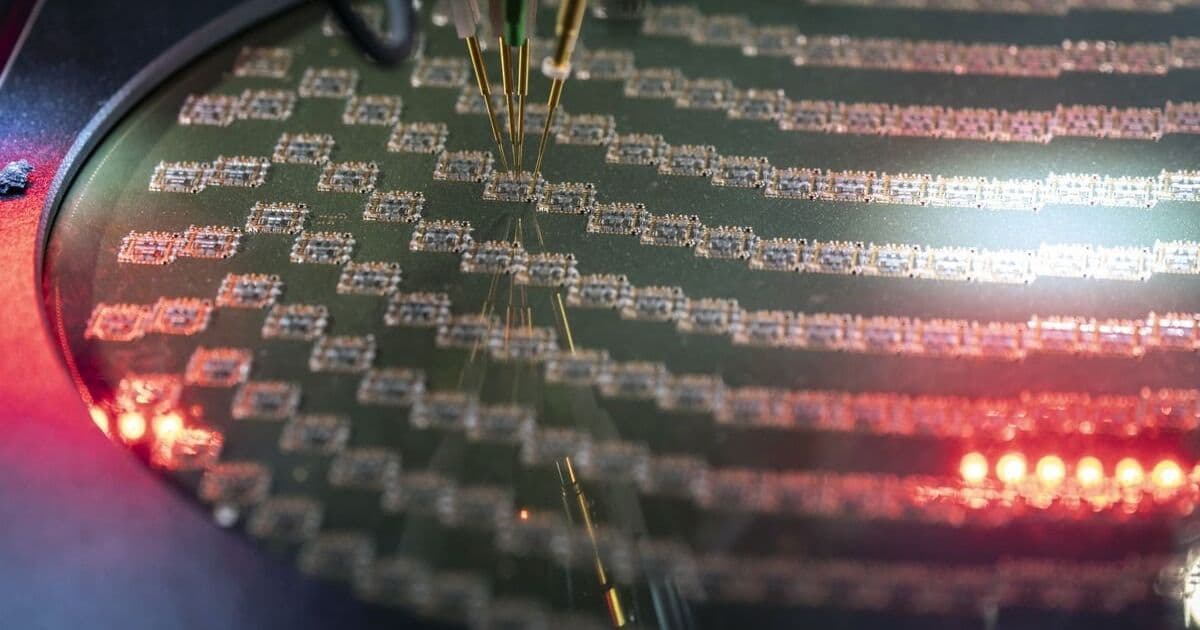
Chinese chipmaker SpacemiT has secured approximately $86 million in Series B funding to accelerate the commercialization of its RISC-V-based K1 chip, which targets industrial systems, robotics, edge computing, and AI devices. This funding round highlights the growing investor interest in RISC-V as a viable alternative to x86 and ARM architectures, particularly for specialized, power-efficient applications in China's domestic market.
In a significant move for the RISC-V ecosystem, Chinese semiconductor company SpacemiT has closed an approximately $86 million (600 million yuan) Series B funding round. The capital injection is aimed at speeding up the commercialization of its flagship product, the K1 chip, and expanding its business operations.
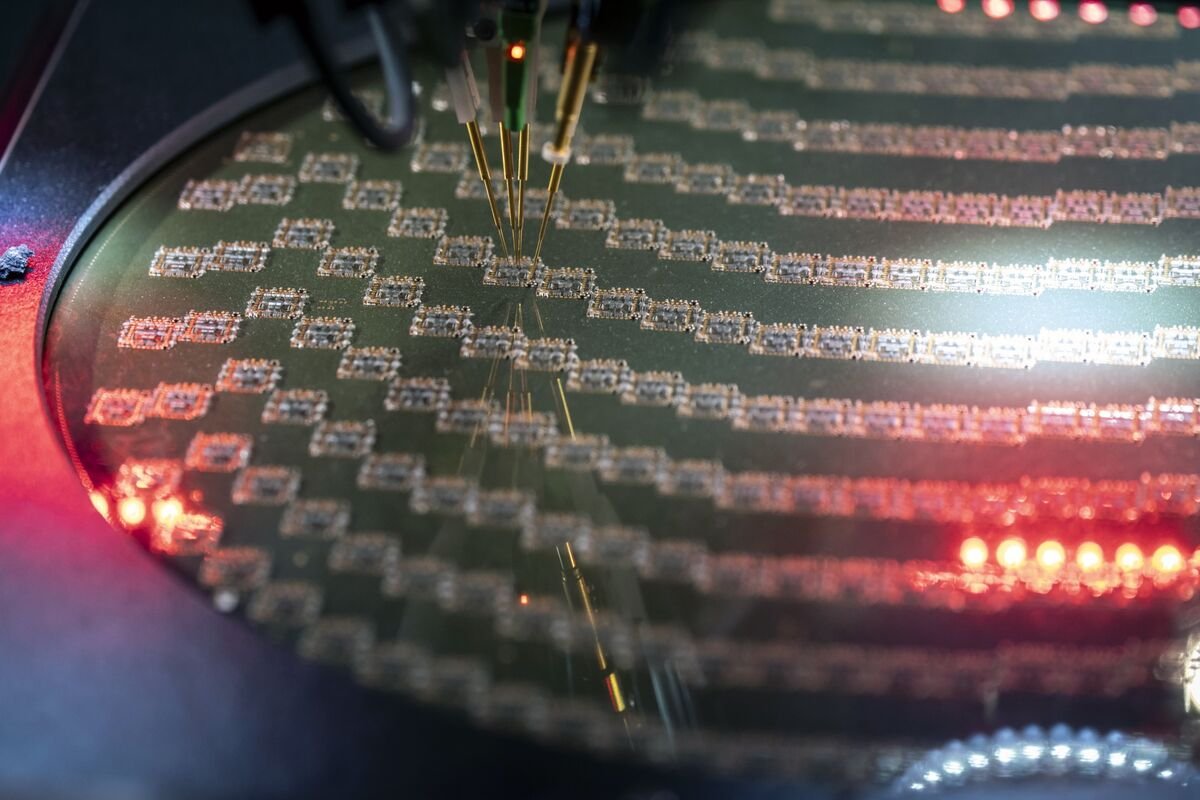
The K1 chip is built on the open-source RISC-V instruction set architecture (ISA). Unlike proprietary architectures like Intel's x86 or ARM's designs, RISC-V is an open standard, allowing companies to design and manufacture chips without paying licensing fees. This has made it particularly attractive for China, which is actively seeking to reduce its reliance on foreign technology amid ongoing trade tensions and export controls.
SpacemiT's K1 is not a general-purpose CPU for laptops or servers. Instead, it's engineered for specific, demanding environments. The company's focus areas include industrial automation systems, robotics, edge computing devices, and AI-powered hardware. These applications often require chips that are power-efficient, cost-effective, and capable of handling real-time processing tasks. The RISC-V architecture's modularity allows designers to customize the core with extensions tailored for specific workloads, such as AI inference or real-time control, which is a key advantage for these embedded markets.
The funding round, reported by Bloomberg, comes at a time when the global semiconductor landscape is undergoing significant shifts. While Western companies like Nvidia dominate the high-end AI training market with their CUDA software ecosystem and powerful GPUs, the edge AI and industrial computing segments are more fragmented. This creates an opening for alternative architectures like RISC-V.
SpacemiT's strategy appears to be building a vertically integrated solution. By developing its own chip and likely its own software stack, it can offer a complete package to manufacturers of industrial robots, smart cameras, and other edge devices. This approach mirrors the strategies of other RISC-V players like SiFive and Ventana, but with a specific focus on the Chinese market and its unique regulatory and supply chain demands.
The $86 million investment will be used for several key purposes. First, it will fund the final stages of the K1 chip's development and its mass production. Second, it will support the expansion of SpacemiT's engineering team to develop next-generation chips and software tools. Finally, the capital will help the company build out its sales and marketing channels to secure design wins with major industrial and robotics manufacturers.
The success of SpacemiT's K1 chip will depend on several factors. Performance and power efficiency are critical, but so is the software ecosystem. Developers need robust operating systems, compilers, and libraries to build applications for the chip. SpacemiT will need to invest heavily in this area or partner with existing RISC-V software communities to ensure its hardware is easy to adopt.
Furthermore, the company faces competition from established players. ARM holds a dominant position in the mobile and embedded markets, and its Cortex series of processors are a known quantity for many engineers. However, ARM's licensing model and geopolitical concerns are driving some Chinese companies to seek alternatives. RISC-V, being an open standard, is seen as a more secure long-term bet for Chinese firms.
The broader RISC-V ecosystem is also gaining momentum. The RISC-V International foundation, which oversees the ISA's development, has seen membership grow rapidly, including from major tech companies like Google, Intel, and NVIDIA. This growing support is creating a more mature environment for companies like SpacemiT to operate in.
For SpacemiT, the path forward involves not just selling chips, but building a community. The company will need to demonstrate that its K1 chip is not only technically capable but also supported by a reliable software and hardware ecosystem. This includes providing development boards, reference designs, and comprehensive documentation to lower the barrier to entry for potential customers.
In summary, SpacemiT's Series B funding is a vote of confidence in the RISC-V architecture's potential to disrupt the embedded and edge computing markets. By focusing on specific industrial and AI applications, the company is targeting a lucrative niche where performance-per-watt and cost are paramount. The next few years will be critical as SpacemiT moves from development to mass production and tries to secure its place in the competitive global semiconductor industry.
Comments
Please log in or register to join the discussion