Two former SpaceX employees have filed wrongful-termination lawsuits, accusing the company of ignoring critical safety warnings and fostering a culture where cost-cutting and relentless schedules led to high injury rates. The allegations surface as SpaceX intensifies its Starship and Falcon 9 launch cadence, raising urgent questions about workplace ethics in high-stakes aerospace innovation. OSHA data reveals injury rates at some SpaceX sites are nearly triple the industry average.
SpaceX, the aerospace giant synonymous with rapid innovation, is confronting serious allegations of workplace safety failures and retaliation in two newly filed federal lawsuits. The complaints, brought by former employees Robert Markert and David Lavalle, paint a troubling picture of a company allegedly prioritizing speed and cost savings over worker well-being—even when faced with risks of "serious injury or death."
The Core Allegations: Ignored Warnings and Punishing Schedules
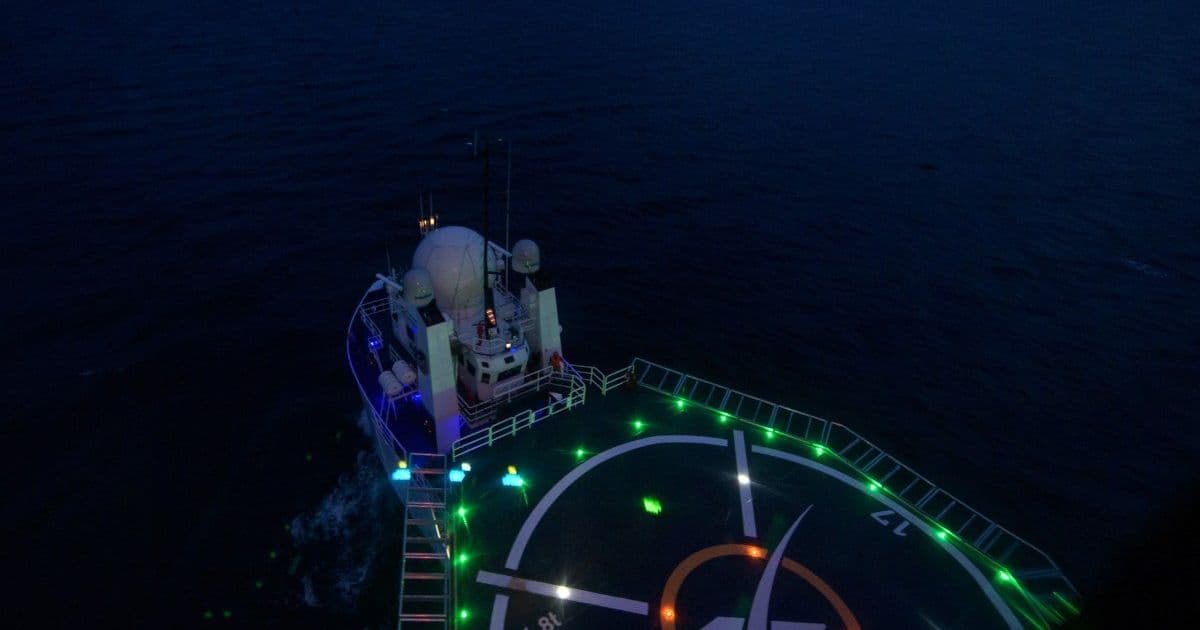
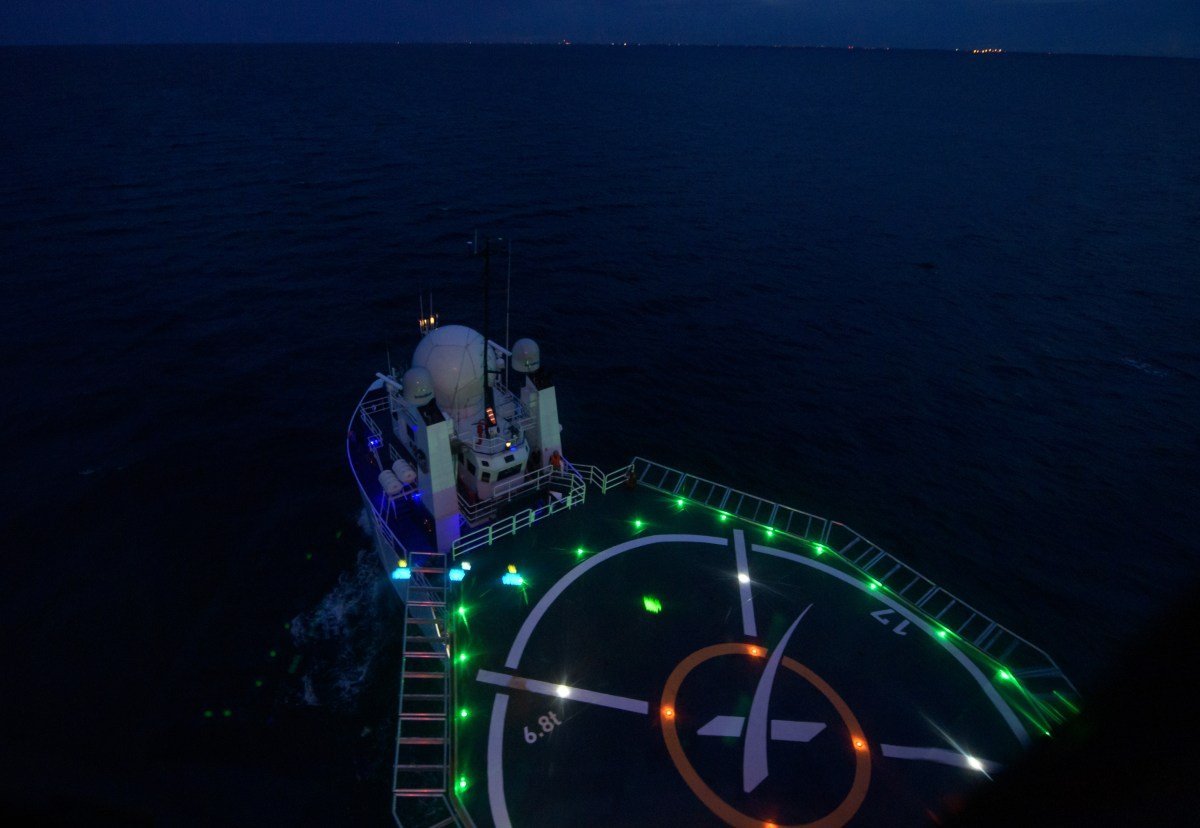
Robert Markert, a 13-year veteran, claims he was terminated after repeatedly warning SpaceX leadership about hazardous conditions in rocket fairing recovery operations. In his lawsuit, he states that a specific process could "easily cause serious injury or death" but was ignored because "it was the more economical solution." Markert further alleges that technicians were often forced to work 15-20 consecutive days in high-stress environments, with injuries going unreported due to fear. When he advocated for essential safety trainings, he was told "there is no time for that and the company would not spend money on it."
David Lavalle’s complaint echoes these themes. The former SpaceX plumber, who joined in 2014, says he was fired shortly after requesting medical leave for gout-related knee pain—part of a pattern of unaccommodated injuries including a fractured foot and chronic back issues. Lavalle, 60, contends he was targeted in a wave of dismissals of older staff, orchestrated by a younger manager, and avoided reporting all injuries for fear of retaliation.
Context: A Company Under Pressure
These lawsuits land as SpaceX accelerates its most ambitious projects. The company is racing to certify its Starship rocket for NASA missions and Starlink satellite deployments while maintaining an unprecedented launch tempo for the Falcon 9, which has flown 87 times this year alone. This breakneck pace, however, appears to have exacted a human cost. Recent TechCrunch analysis of OSHA data revealed alarming injury rates: SpaceX’s Starbase facility in Texas recorded 4.27 injuries per 100 workers in 2024, nearly triple the aerospace average of 1.6. The west coast fairing recovery operations—where Markert worked—reported a staggering rate of 7.6.
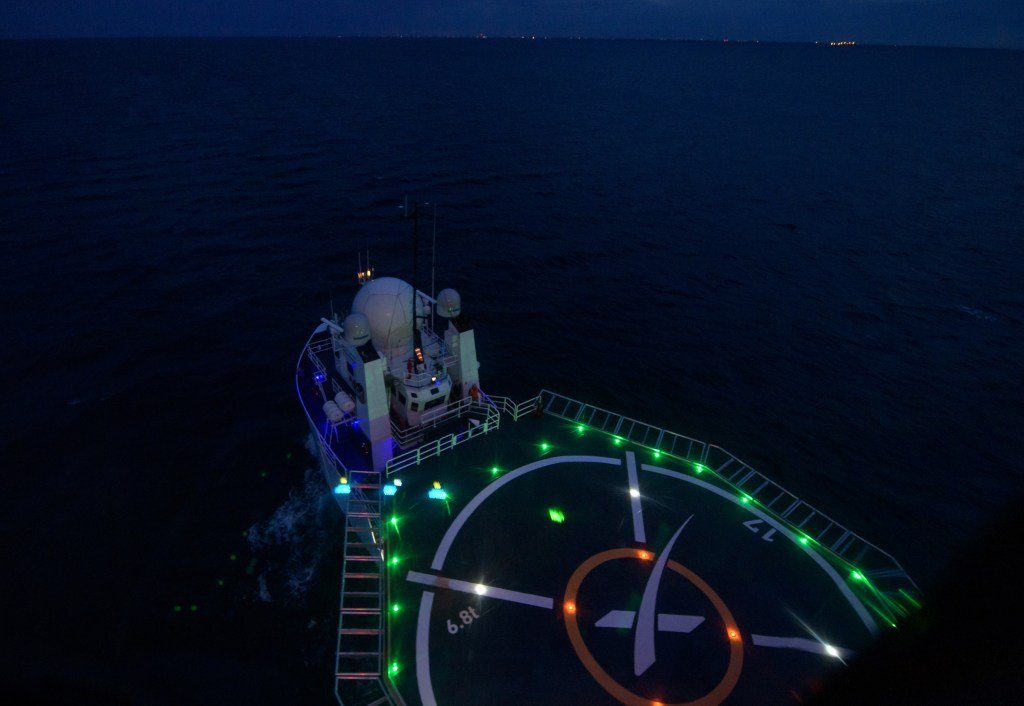
Image Credits: NASA/Bill Ingalls
Why This Matters: The Broader Tech Industry Implications
The cases spotlight a critical tension in tech-driven industries: the relentless pursuit of efficiency versus ethical responsibility. For developers and engineers, this isn’t just about SpaceX—it’s a cautionary tale for any high-growth tech environment where "move fast and break things" can have literal consequences. The alleged suppression of safety concerns risks not only lives but also long-term innovation, as burnout and injury erode talent retention. As one aerospace safety expert (not involved in the lawsuits) noted: "Cutting corners on safety today can lead to catastrophic failures tomorrow, undermining public trust and regulatory goodwill."
SpaceX has not responded to requests for comment, and the outcomes of these lawsuits could reshape operational standards across commercial space and high-pressure tech sectors. For now, they serve as a stark reminder that in the race to the stars, safeguarding the people on the ground isn’t optional—it’s foundational to sustainable progress.
Source: TechCrunch, reporting by Aria Alamalhodaei.
Comments
Please log in or register to join the discussion