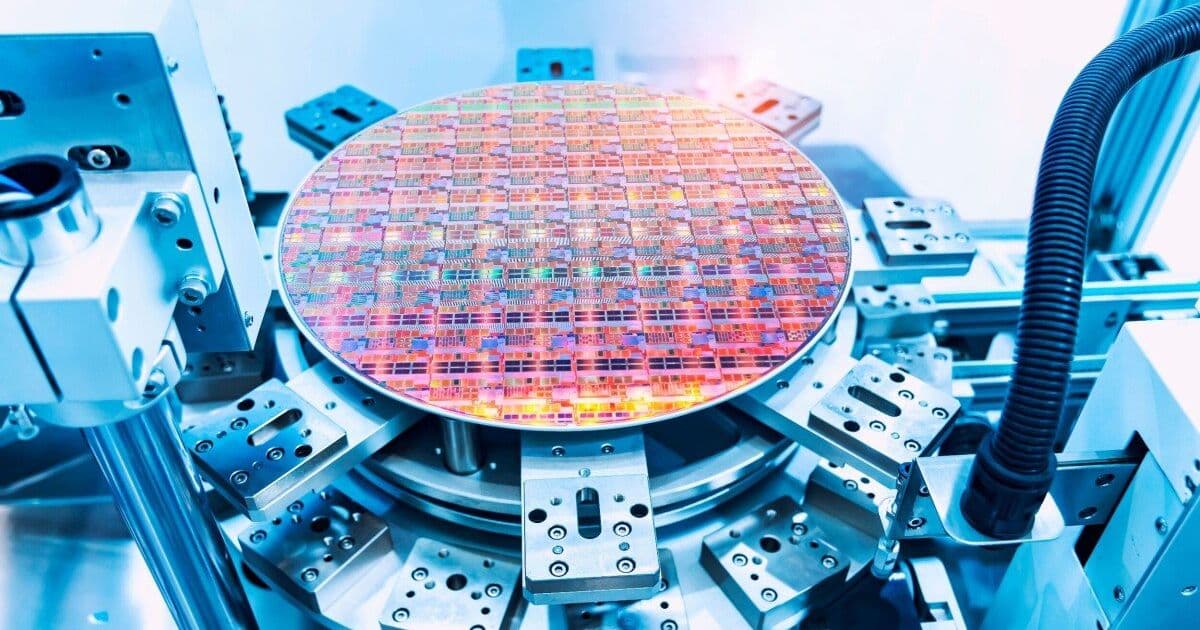
SpaceX plans to build a massive semiconductor fabrication facility in rural Texas, potentially investing up to $119 billion to produce chips for orbital AI datacenters, despite having no prior experience in chip manufacturing.
SpaceX has announced ambitious plans to construct a multi-phase semiconductor manufacturing facility in rural Texas, with potential investments reaching $119 billion. The project, named Terafab, aims to significantly boost global semiconductor production while supporting Elon Musk's vision for orbital AI datacenters.
Project Overview
The Terafab project represents one of the most ambitious manufacturing ventures in recent history, with initial phases expected to cost approximately $55 billion. For context, this amount equals roughly 1.25 times the entire value of Twitter when Musk acquired it. The facility will be located approximately 80 miles northeast of Houston near the Gibbons Creek Reservoir.
In a recent public filing, SpaceX described the project as a "multi-phase, next-generation, vertically integrated semiconductor manufacturing and advanced computing fabrication facility." This comprehensive approach would theoretically allow SpaceX to control every aspect of chip production, from lithography mask creation to final testing.
Technical Capabilities and Claims
Musk has outlined an ambitious vision for Terafab, claiming the facility will possess all necessary equipment to produce any type of chip, including memory components. During a March presentation, Musk boasted that "in a single building, we can create a lithography mask, make the chip, test the chip, make another mask, and have an incredibly fast recursive loop for improving the chip design."
These capabilities would theoretically enable rapid iteration cycles for chip design, potentially accelerating development timelines significantly. However, such vertical integration represents an extraordinary challenge even for established semiconductor manufacturers with decades of experience.
Strategic Partnerships
Recognizing SpaceX's lack of semiconductor manufacturing experience, the company has partnered with Intel for technical expertise. Intel will support the production of chips based on its yet-uncompleted 14A process node. This partnership brings crucial industry knowledge to a venture from a company with no prior fab operations.
Tesla, also part of the Musk portfolio, will contribute its experience in developing custom AI accelerators. Tesla has successfully created several generations of custom silicon for its electric vehicles and its Dojo supercomputing platform, providing at least some technical foundation for the AI components of Terafab.
Market Context and Economic Viability
The economic case for Terafab depends heavily on the success of SpaceX's Starship program in reducing launch costs. The chips produced would primarily serve orbital AI datacenters, which currently face significant economic barriers due to high launch expenses. With Starship still in development and not yet achieving full reusability, the timeline for economically viable orbital datacenters remains uncertain.
The semiconductor industry typically requires 3-5 years to bring a new fabrication facility online, meaning SpaceX must achieve its launch cost reduction goals before Terafab's output becomes commercially viable. This creates a complex chicken-and-egg scenario where the fab's success depends on the rocket program's advancement.
Regulatory and Compliance Considerations
While the article focuses on the business venture, such large-scale manufacturing facilities face numerous regulatory requirements that SpaceX will need to navigate:
Environmental Compliance: Semiconductor manufacturing involves hazardous materials and significant water usage. The facility will need to comply with EPA regulations, including the Clean Air Act, Clean Water Act, and Resource Conservation and Recovery Act (RCRA).
Export Controls: Advanced semiconductor technology falls under export control regulations, particularly the International Traffic in Arms Regulations (ITAR) and Commerce Control List (CCL) administered by the Department of Commerce.
Workplace Safety: The facility must meet Occupational Safety and Health Administration (OSHA) standards for handling chemicals, operating heavy machinery, and maintaining worker safety.
Zoning and Land Use: Local regulations will govern the facility's construction and operation, including those related to light pollution, traffic impact, and environmental protection.
Musk's Track Record and Skepticism
Elon Musk's history of ambitious announcements followed by unmet deadlines has tempered expectations for the Terafab project. His previous predictions include sending humans to Mars by 2024, achieving a million robotaxis on the road by 2020, and significantly reducing government spending through the DOGE initiative (which ultimately cut only about $150 billion, or 2.2%, of the targeted amount).
The semiconductor manufacturing industry represents an entirely new domain for Musk's companies, which have primarily focused on aerospace, automotive, and consumer technology. The knowledge and supply chain complexities involved in chip fabrication present challenges distinct from those faced in SpaceX's other ventures.
Local Impact and Incentives
The proposed facility has generated local interest and discussion. The Grimes County Court of Commissioners will consider whether to grant SpaceX's Terafab project a property tax abatement during a meeting scheduled for 9 am on June 3. Such incentives are common for large manufacturing facilities but face scrutiny from local taxpayers concerned about the financial trade-offs.
The economic impact on the rural area could be substantial, potentially transforming the local economy through job creation and increased demand for supporting services. However, the scale of Musk's previous ventures suggests that the actual implementation may differ significantly from the initial announcements.
Industry Implications
If successful, Terafab would represent a fundamental shift in the semiconductor industry. Musk's stated goal to increase global semiconductor production by 50x would dramatically alter supply dynamics and potentially accelerate technological advancement across multiple sectors.
The project's success would depend on numerous factors beyond technical execution, including geopolitical stability, supply chain reliability, and market demand for the specific chips being produced. The semiconductor industry has historically been characterized by massive capital investments and long lead times, making it particularly vulnerable to economic fluctuations and technological disruptions.
As the project moves forward, industry observers will watch closely to see whether SpaceX can overcome its lack of experience in semiconductor manufacturing and deliver on Musk's ambitious vision for a vertically integrated chip production facility that could power the next generation of orbital AI infrastructure.
Comments
Please log in or register to join the discussion