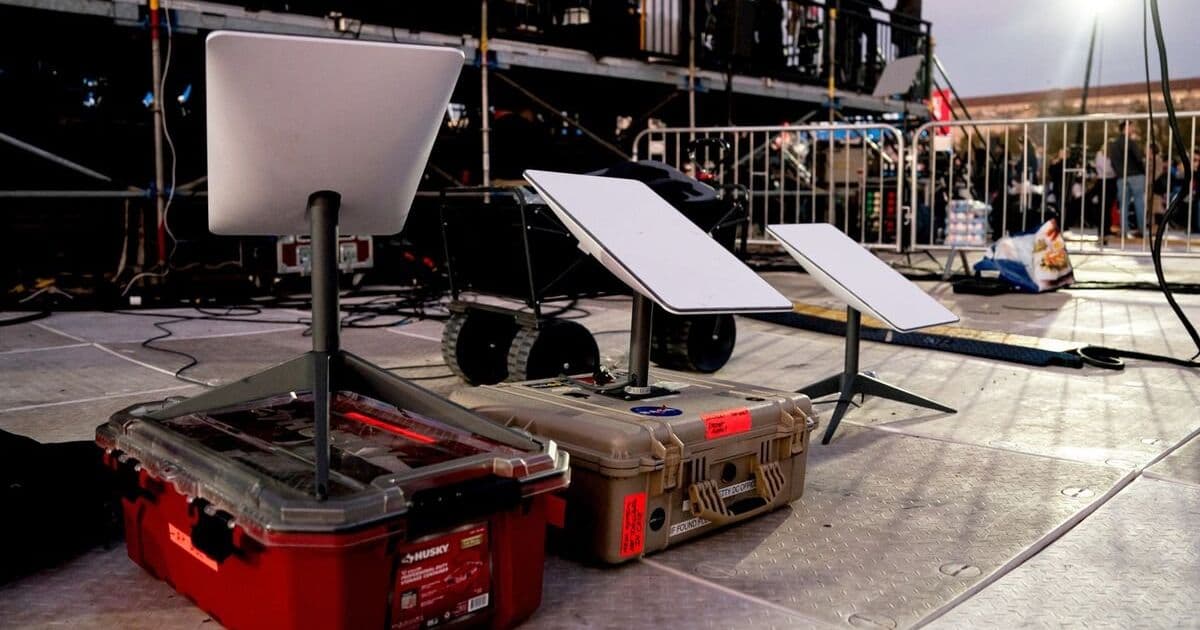
As Iran experiences a days-long internet blackout during ongoing protests, SpaceX has reportedly waived Starlink subscription fees for users in the country. The move, confirmed by the US-based digital rights group Holistic Resilience, underscores the growing importance of satellite-based internet services as a tool for circumventing state-controlled censorship and maintaining communication channels during political unrest.
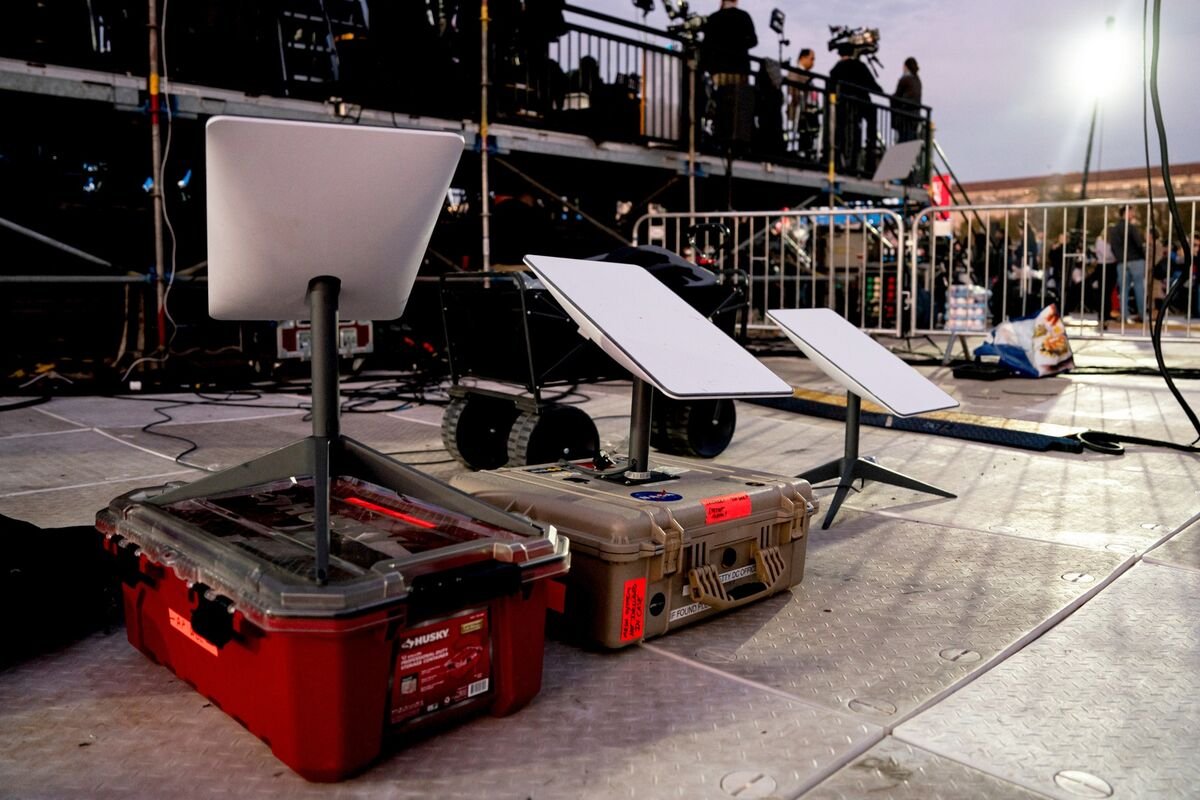
In a development that blends space technology with digital rights advocacy, SpaceX has reportedly begun offering free Starlink satellite internet service in Iran. The announcement came from Holistic Resilience, a US-based non-profit organization dedicated to helping Iranians secure and maintain internet access. The group stated that the move is a direct response to a severe, days-long internet blackout that has gripped the country amid renewed protests.
This isn't the first time Starlink has been positioned as a tool for internet freedom in Iran. The service first gained prominence in the region during the 2022 protests that followed the death of Mahsa Amini, when SpaceX activated the service and Iranians began smuggling terminals into the country. However, this new development marks a significant escalation: by waiving the subscription fees, SpaceX is lowering the financial barrier for access, potentially enabling a wider range of users to connect.
The Mechanics of Circumvention
To understand the significance of this move, it's crucial to grasp how internet shutdowns typically work. Most state-level censorship operates by controlling the physical infrastructure within the country—fiber optic cables, cell towers, and internet exchange points. A government can simply order ISPs to cut off service or throttle connectivity to a crawl.
Starlink bypasses this entirely. The system relies on a constellation of thousands of low-Earth orbit (LEO) satellites that communicate directly with user terminals (the distinctive flat-paneled dishes). The signal travels from the terminal to a satellite, which then relays it to a ground station outside the country where the internet is unrestricted. This creates a communication loop that is extremely difficult for a centralized authority to disrupt without resorting to physically jamming the radio frequencies or shooting down the satellites themselves—both highly complex and aggressive acts.
The Cost Barrier and SpaceX's Gesture
While the technology works, its adoption has been hampered by cost. A standard Starlink kit costs several hundred dollars upfront, with monthly subscription fees on top of that. For many Iranians, especially during times of economic hardship and currency devaluation, this is prohibitively expensive.
By waiving the subscription fees, SpaceX effectively removes the recurring cost, leaving only the one-time hardware purchase. While still a significant expense, it makes the service accessible to a broader segment of the population, including students, journalists, and activists who are critical for documenting and disseminating information about events on the ground.
A Pattern of Tech-Driven Geopolitical Intervention
This event fits into a broader pattern of technology companies playing an increasingly direct role in geopolitical conflicts and human rights situations. We've seen similar dynamics with:
- Telegram in Russia: The encrypted messaging app became a lifeline for protestors and independent media, leading to a prolonged standoff with Russian authorities who attempted to block it.
- Meta's Tor Hidden Services: Facebook and later Twitter offered .onion addresses to allow users in censored regions to access their platforms via the Tor network.
- Google's Project Shield: A free service that protects news sites and human rights organizations from DDoS attacks, often state-sponsored.
However, Starlink is different because it operates at the physical layer of the internet stack. It's not just a software workaround; it's a hardware-based alternative to the entire national infrastructure.
Counter-Perspectives and Challenges
Despite the positive optics, this approach is not without its critics and challenges:
Centralization of Power: Critics point out that a single private company, run by one of the world's wealthiest individuals (Elon Musk), now holds the keys to internet access for entire nations during crises. This creates a new form of dependency. Decisions about where to activate service, how much to charge, and under what terms are made in a corporate boardroom, not by democratic consensus.
Detection and Risk: Using a Starlink terminal is not risk-free. The signals can potentially be detected by authorities using radio frequency (RF) detection equipment. Users caught with the equipment could face severe penalties. The free subscription doesn't eliminate the physical risk of operating the hardware.
Sustainability: Is this a sustainable model? SpaceX is a for-profit company. While this move may be partially subsidized by goodwill or government contracts (like the US Department of Defense's use of Starlink in Ukraine), it raises questions about the long-term viability of providing free service in conflict zones.
Effectiveness: A few thousand terminals, even if free, may not be enough to make a meaningful difference in a country of over 80 million people. It's a lifeline for a select few, not a comprehensive solution.
The Future of Connectivity
The situation in Iran serves as a real-world test case for the future of global connectivity. As terrestrial internet infrastructure becomes easier for authoritarian regimes to control, satellite-based alternatives are emerging as a powerful countermeasure.
This event also highlights the evolving relationship between technology and policy. Governments are now grappling with how to regulate or respond to services that exist above their sovereign airspace. The US government has already taken steps to ease restrictions on providing internet services to Iranians, creating a legal framework that allows companies like SpaceX to operate.
Ultimately, SpaceX's decision to waive fees in Iran is more than just a corporate goodwill gesture. It's a demonstration of how space-based technology is fundamentally altering the calculus of censorship and control, creating new possibilities—and new dependencies—for digital freedom in the 21st century. The long-term implications for global internet governance and the role of private space companies in international affairs are just beginning to be understood.
Comments
Please log in or register to join the discussion