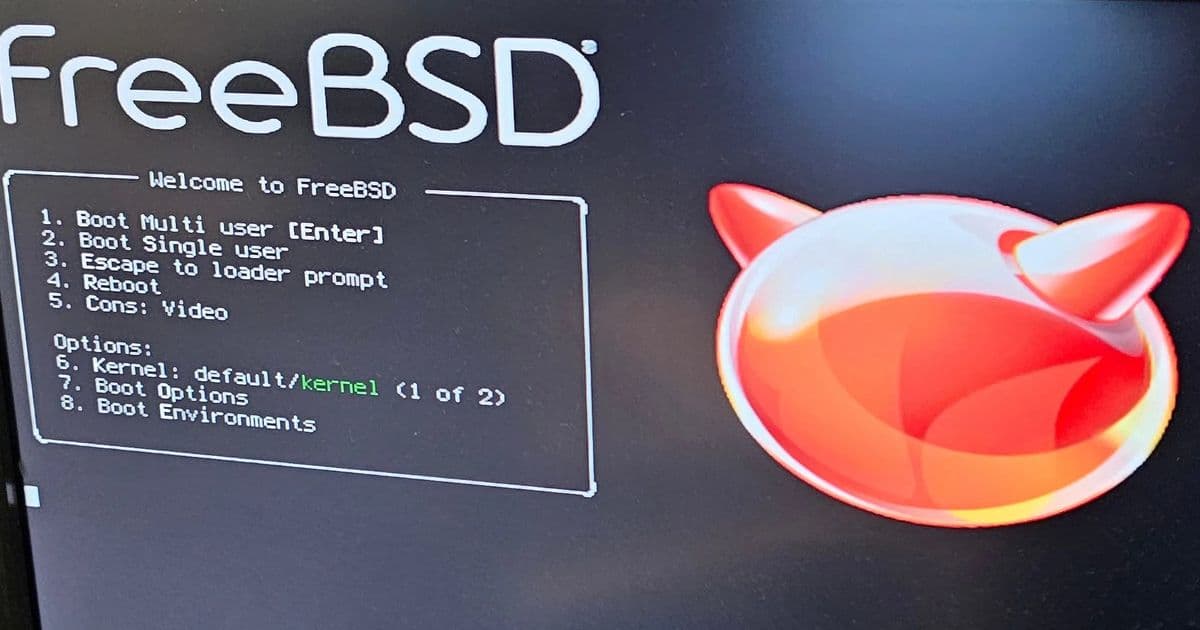
FreeBSD 14.4-RC1 adds Emacs, Vim, and FUSE packages to DVD images while improving virtualization, hardware support, and system stability for the 14.x branch.
The FreeBSD project has released the first release candidate of FreeBSD 14.4, bringing a host of improvements and new features to users who prefer to remain on the stable 14.x branch rather than upgrading to the recently released FreeBSD 15. The FreeBSD 14.4-RC1 release is now available for testing, with the final release expected in the coming weeks.
Enhanced Package Selection on DVD Images
One of the most notable changes in FreeBSD 14.4-RC1 is the expanded package selection included in the DVD images. The release now includes popular text editors Emacs and Vim by default, along with various FUSE packages for EXT2 and NTFS file-systems. This change addresses a long-standing request from users who preferred having these essential tools readily available without requiring an internet connection during installation.
This enhancement makes the FreeBSD 14.4 DVD images more self-contained and useful for offline installations or environments with limited network access. The inclusion of these packages reflects the project's commitment to providing a more complete out-of-the-box experience for users who choose the DVD installation method.
Virtualization Improvements
FreeBSD 14.4 brings significant enhancements to virtualization capabilities, particularly for users running Bhyve, FreeBSD's native hypervisor. A critical fix has been implemented to prevent hangs on AMD systems when running recent Microsoft Windows guests. This issue had been a source of frustration for users running mixed environments, and its resolution should improve stability for those leveraging FreeBSD as a virtualization host.
Additionally, the release adds 9P file-system support for use with Bhyve VirtIO-9P devices. This enhancement provides a more efficient and performant method for sharing files between the host and guest systems in virtualized environments. The 9P protocol, originally developed by Bell Labs for Plan 9, offers advantages in terms of simplicity and performance compared to traditional network file-sharing protocols.
Hardware Support Expansions
FreeBSD 14.4 continues the project's tradition of expanding hardware support with several new device driver changes. Notable additions include support for Fujitsu RAID Controller SAS D3116 controllers, which will benefit users with enterprise storage configurations. The release also adds NVMe support for Google Compute C4 machines, improving FreeBSD's compatibility with Google Cloud Platform's latest offerings.
Network interface support has been enhanced with the addition of Intel Ethernet E610 NIC support, providing better performance and reliability for users with these network cards. The ACPI support for the Intel IWLWIFI driver has also been improved, which should result in better power management and device compatibility for systems using Intel wireless hardware.
System Stability and Security
Beyond the headline features, FreeBSD 14.4 includes numerous stability and security improvements. The release addresses a deadlock issue in NULLFS, which could cause system hangs in certain scenarios. A buffer overflow vulnerability in RTSOCK has been fixed, enhancing the overall security posture of the operating system.
The installer has been improved to properly handle EFI boot entries, making the installation process more reliable on modern hardware that uses UEFI rather than traditional BIOS. This change should reduce installation failures and improve the overall user experience, particularly on newer systems.
Application Updates
FreeBSD 14.4 includes updates to several key applications and libraries. OpenSSL has received minor updates, ensuring that users have access to the latest security patches and improvements. OpenZFS, the open-source implementation of the ZFS file system, has also been updated with minor improvements that enhance performance and reliability.
The XZ compression utility has been updated, providing users with the latest features and performance optimizations for handling compressed files. These application updates, while not revolutionary, contribute to the overall stability and security of the FreeBSD 14.4 release.
Release Timeline and Availability
The FreeBSD 14.4-RC1 release is now available for testing, with users encouraged to download and test the release candidate to help identify any remaining issues before the final release. The release announcement and download links are available on the FreeBSD website.
Given the stability of the FreeBSD release process, users can expect the final FreeBSD 14.4 release to be available within the next few weeks, assuming no critical issues are discovered during the release candidate testing phase. This release represents the culmination of months of development work, backporting fixes and features from the current development branch while maintaining the stability that FreeBSD is known for.
For users who have chosen to remain on the 14.x branch, FreeBSD 14.4 represents a significant upgrade that addresses many outstanding issues and adds valuable new features. The combination of enhanced hardware support, improved virtualization capabilities, and expanded package selection makes this release a compelling upgrade for FreeBSD users who prioritize stability over having the absolute latest features.
Comments
Please log in or register to join the discussion