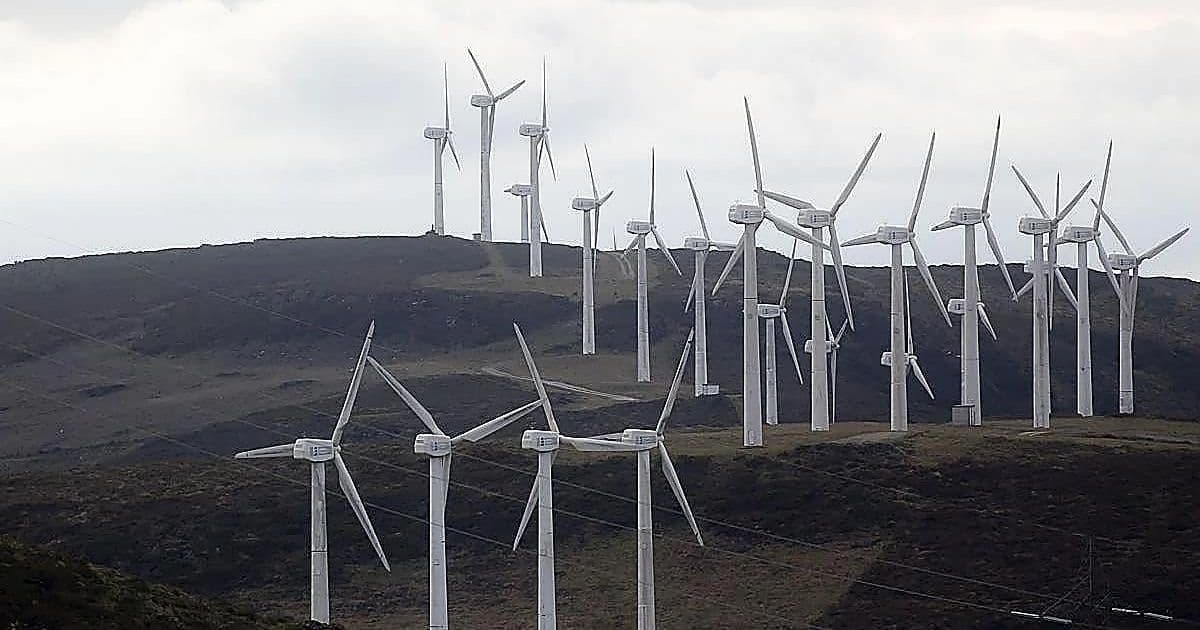
While wind power saved Spanish consumers €4.6 billion last year, the industry faces a critical slowdown with just 1 GW installed annually against a 4 GW target, as administrative bottlenecks and regulatory uncertainty threaten the country's position in the global renewable energy race.
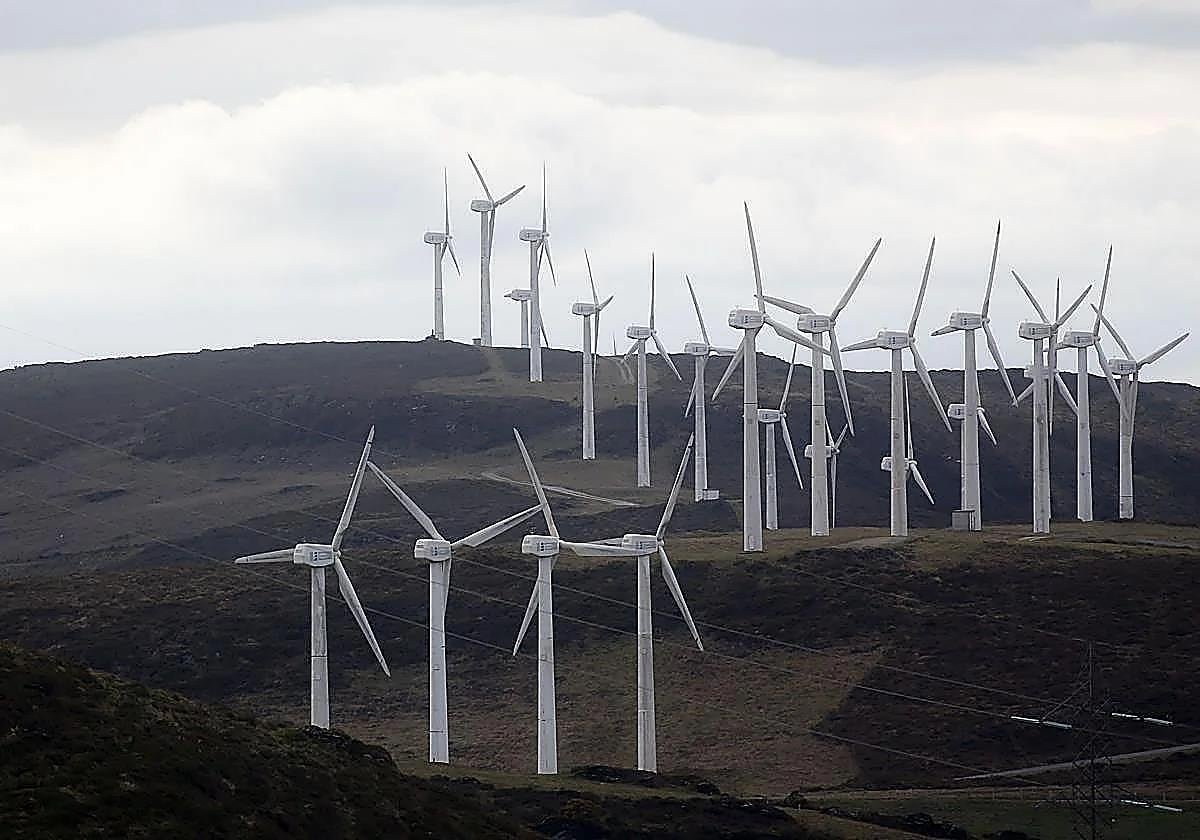
Spain's wind energy sector delivered €4.6 billion in consumer savings during 2024 while employing 37,070 people and generating €1.95 billion in turbine exports. Yet the industry warns these achievements mask a dangerous slowdown that could cost the country its industrial future.
According to a Deloitte macroeconomic study presented by the Spanish Wind Energy Association (AEE), wind power produced 59,378 GW last year, covering 24% of national electricity demand. The sector contributed 0.25% to GDP and pushed wholesale electricity prices down by an average of €20 per MWh. Cumulative savings since 2012 exceed €47.4 billion.
But the numbers reveal a growing disconnect between performance and potential. Spain installed only 1,185 MW of new wind capacity in 2024, bringing total installed capacity to 31,679 MW. The industry says this pace falls far short of what's needed to meet Spain's national integrated energy and climate plan (PNIEC) targets.
"Spain should be installing around four gigawatts of wind energy per year, but barely reaches one gigawatt per year," says Juan Virgilio Márquez, director general of AEE. The primary culprit is administrative complexity that varies across regions and even between individual projects.
The Administrative Bottleneck
More than ten gigawatts have received administrative authorization for construction, yet three gigawatts remain paralyzed in Galicia alone. An additional 9.2 GW holds favorable environmental declarations but lacks final authorization. Over 17,000 MW have been blocked since 2018, mostly due to unfavorable environmental reports. The pattern is stark: for every megawatt installed recently, four have failed to advance.
The sector attributes this paralysis to inconsistent application of regulations and the absence of a clear principle of overriding public interest for renewables—a concept embedded in European legislation but not fully adopted into Spanish law. Without this legal framework, projects face unpredictable delays and judicial challenges.
Repowering Challenges
Spain possesses over ten gigawatts of wind capacity installed more than 20 years ago, with nearly three gigawatts exceeding 25 years. Repowering these sites offers significant advantages: they occupy already-developed land, benefit from proven wind resources, and enjoy established community acceptance.
Current regulations, however, create perverse incentives. In some cases, replacing old turbines with modern ones could result in reduced total power output due to regulatory constraints. The AEE is pushing for a clear repowering roadmap with improved grid access rules and regulatory certainty to unlock this potential.
Galicia's situation exemplifies the broader problem. Paralyzed projects there don't just delay the energy transition—they threaten the loss of approximately 4,000 jobs and undermine regional industrial development.
Grid Stability and Service Provision
Beyond capacity additions, the sector is pressing for technical regulations that allow wind farms to provide essential grid stability services. Modern wind turbines can offer voltage control, grid-forming capabilities, and oscillation damping—services traditionally provided by fossil fuel plants.
Companies are ready to provide these services but need clear, coordinated planning with system operators to avoid cost distortions and regulatory risks. Without these rules, Spain's grid faces increasing instability as renewable penetration grows.
Offshore Wind: A Race Against Time
Offshore wind represents Spain's next industrial opportunity, but progress remains stalled. The ministerial order for the first pilot auction is still pending development. Even if an auction occurs in 2026, the first operational wind farms wouldn't come online until 2033.
Delaying this initial step would forfeit more than 4,000 jobs associated with the first gigawatt of offshore capacity. More critically, it would cede ground to France, Norway, the UK, and the Netherlands—all advancing defined offshore wind policies and auctions.
Márquez emphasizes that Spain must activate an initial market to position its industry in the global offshore wind value chain from the outset.
Tax Burden Compounds Challenges
The sector faces a tax burden approaching €600 million annually. This includes a 7% tax on electricity production value, temporary energy levies, and regional taxes such as Aragon's wind tax. For every €1,000 of income, wind operators spend €224 on taxes and levies—exceeding personnel costs and penalizing new investment.
This fiscal pressure reduces the financial capacity to navigate regulatory uncertainty and delays, creating a compound effect that further slows deployment.
What's at Stake
The sector's warning is explicit: without regulatory reform, Spain risks losing a historic opportunity for reindustrialization. The country currently ranks as the world's fourth-largest wind turbine exporter, behind only China, Denmark, and Germany. This position reflects decades of industrial development and technical expertise.
Yet export success doesn't guarantee domestic deployment. The same regulatory friction that blocks local projects also threatens the industrial ecosystem that supports exports. Without a stable home market, Spanish manufacturers lose the testing ground and volume production base needed to compete globally.
The contrast between Spain's renewable energy achievements and its administrative failures highlights a broader challenge facing many European countries. Technical capability and economic logic favor rapid renewable deployment, but bureaucratic systems designed for slower, fossil-fuel-based energy infrastructure struggle to adapt.
For Spanish consumers, the €4.6 billion in annual savings demonstrates the tangible benefits of wind power. For the industry, the 4.7% employment growth shows the sector's potential to create high-value jobs. But these gains remain vulnerable to a regulatory system that, according to the AEE, is "very complex" and applied with inconsistent criteria across the country.
The path forward requires more than just political will—it demands structural reform of administrative processes, clear legal frameworks for project approval, and fiscal policies that support rather than hinder investment. Without these changes, Spain's wind sector risks becoming a case study in how regulatory failure can squander technological and economic advantage.
Comments
Please log in or register to join the discussion