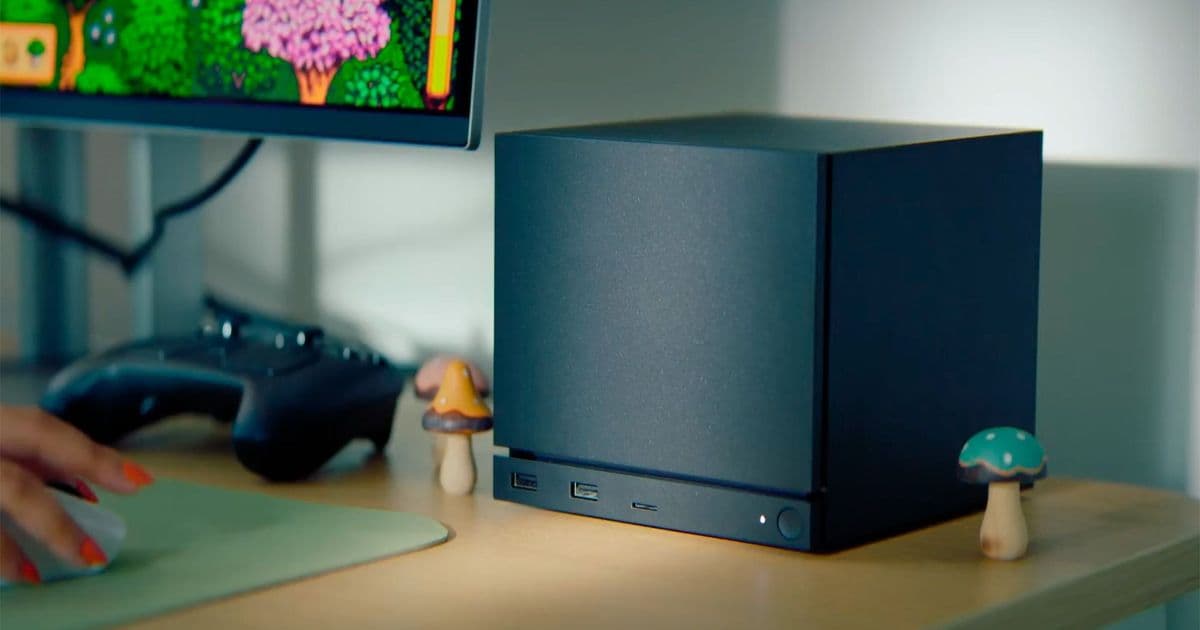
Valve confirms that the upcoming Steam Machine console will have significantly fewer verification constraints for developers than the Steam Deck, leveraging its more powerful x86 hardware to ensure broader game compatibility.
Valve has clarified the verification requirements for its upcoming Steam Machine console, confirming that developers will face fewer constraints compared to the Steam Deck verification process. According to Valve designer Lawrence Yang, the rule of thumb is straightforward: "if your title is Verified on Steam Deck, it will be Verified on Steam Machine."
Hardware Advantages Enable Relaxed Requirements
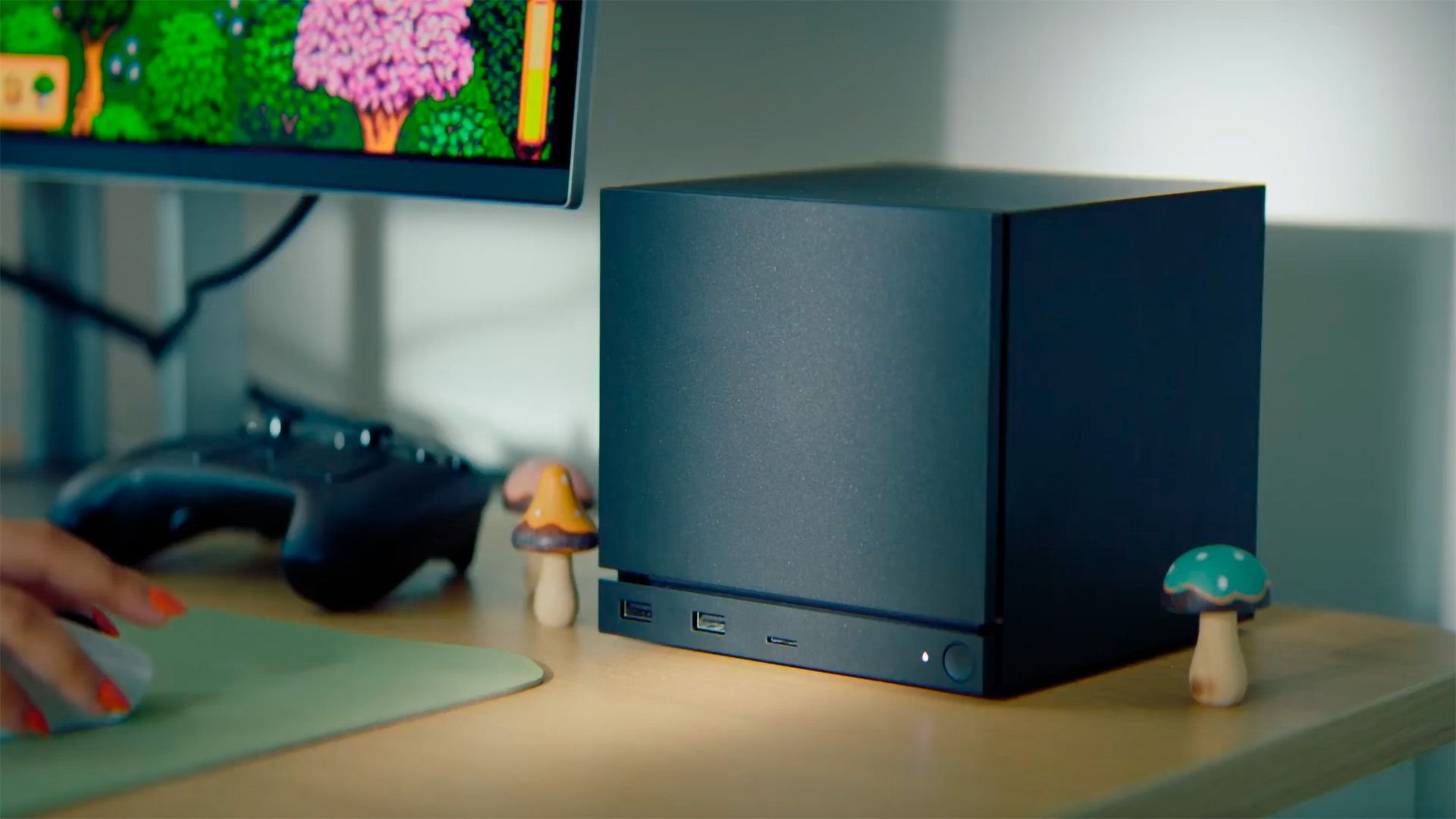
The relaxed verification standards stem directly from the Steam Machine's substantially more powerful hardware configuration. While the Steam Deck must balance performance against battery life constraints, the Steam Machine's larger form factor allows for a 6-core AMD Zen 4 x86 processor running up to 4.8 GHz with a 30-watt TDP, compared to the Steam Deck's 4-core AMD Zen 2 "Van Gogh" processor at 3.5 GHz.
Graphics capabilities show an even wider gap. The Steam Machine features a semi-custom AMD RDNA3 GPU with 28 compute units and 8GB of GDDR6 VRAM, operating at up to 110 watts TDP. This contrasts sharply with the Steam Deck's RDNA 2 implementation with only 8 compute units and a 1.6 GHz clock speed. The Steam Machine also doubles the memory to 16GB of DDR5 SO-DIMMs versus the Deck's 16GB LPDDR5-6400, and includes a robust 300-watt internal power supply versus the Deck's 45-watt USB-C power delivery.
Verification Process Implications
Because the Steam Machine's hardware exceeds the Steam Deck's capabilities across every metric, any game that runs smoothly on the handheld will naturally perform better on the console. This creates a cascading benefit for developers who have already optimized for Steam Deck verification—they gain automatic qualification for the Steam Machine without additional development work.
The verification framework matters because it signals to consumers that a game will run without issues on the target hardware. For Steam Deck, verification requires testing for controls, display compatibility, and performance targets. The Steam Machine's PC-like architecture and higher performance ceiling mean fewer compromises are necessary to meet these standards.
Controller and Connectivity Innovation
Beyond verification, Valve is introducing a novel wireless solution called the Steam Controller Puck. Rather than relying on standard Bluetooth or wired USB-C connections, the puck uses a dedicated 2.4 GHz wireless protocol similar to Logitech's Lightspeed technology.
Valve engineer Steve Carinali explained that Bluetooth's performance varies significantly across different home wireless environments and PC Bluetooth hardware. Additionally, wireless receivers plugged into USB ports near other devices can suffer from interference. The puck solves this by providing a USB cable that allows placement away from the console, reducing interference while maintaining a charging function that encourages users to keep it in an accessible location.
This design philosophy reflects Valve's broader approach to living room gaming: eliminate friction points that traditional PC gaming introduces. The puck serves dual purposes—it's both the wireless receiver and the charging base, which naturally positions it where users will actually use it rather than hiding it behind equipment.
Market Positioning and Pricing
Valve announced the Steam Machine in November 2025, positioning it as an entry-level gaming PC for living rooms. The company has stated it aims for pricing comparable to entry-level gaming builds, though exact figures remain undisclosed. This positioning suggests targeting the $500-$800 range where traditional consoles and budget gaming PCs compete.
The timing coincides with ongoing memory market volatility, which has driven up component costs across the industry. Despite this, Valve appears committed to maintaining competitive pricing, likely subsidizing hardware through Steam platform revenue like it does with the Steam Deck.
Living Room PC Gaming Evolution
The Steam Machine represents Valve's latest attempt to bring PC gaming to the living room. Previous attempts, including the original Steam Machine initiative in 2015, failed due to high pricing, confusing hardware variations, and limited game support. This iteration benefits from the Steam Deck's proven Linux-based Proton compatibility layer, which has matured significantly since 2022.
The verification announcement addresses one of the original Steam Machine's critical failures: ensuring games actually work on the platform. By leveraging the Steam Deck's verification infrastructure and maintaining hardware compatibility, Valve creates a unified ecosystem where developers target one platform and gain access to both handheld and console markets.
For consumers, this means the promise of plug-and-play PC gaming in the living room might finally be achievable. The combination of verified game compatibility, simplified wireless connectivity, and competitive pricing could position the Steam Machine as a viable alternative to traditional consoles for players who want Steam's library without the complexity of a full gaming PC setup.
The Steam Machine is expected to launch in 2026, with Valve likely to reveal pricing and release timing at The Game Awards or a dedicated hardware event.
Comments
Please log in or register to join the discussion