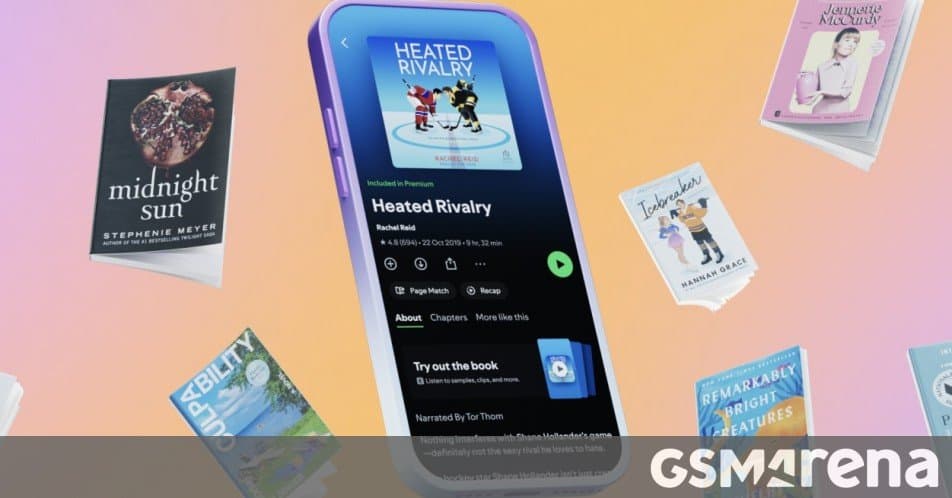
Spotify introduces Page Match, a feature that uses your phone's camera to sync audiobook progress with physical and e-book pages, plus physical book purchases through Bookshop.org
Spotify has officially launched Page Match, a clever new feature that synchronizes your audiobook progress across physical books, e-books, and Spotify's audiobook platform using your smartphone camera. The feature, which was first reported last month, is now rolling out to iOS and Android users and promises to eliminate the friction of switching between reading and listening formats.
How Page Match works
The technology behind Page Match is surprisingly straightforward. When you're listening to an audiobook on Spotify and want to switch to reading the physical or e-book version, you simply open the audiobook in the app, tap the Page Match button, and select "Scan to read." Point your camera at any page in your book, and Spotify will analyze the text to determine where you left off in the audiobook. The app then guides you to the exact passage, telling you whether to flip forward or backward to find your spot.
The reverse process works just as smoothly. If you're reading a physical book and want to continue with the audiobook, you tap "Scan to listen," take a photo of the page you're currently on, and Spotify matches it to the corresponding moment in the audio version. You'll then get two options: start playing from that exact point or save the location for later.
Technical implementation and limitations
Spotify says Page Match will be available on "most English-language titles" by the end of February, suggesting the feature relies on having access to the book's text content for matching purposes. The company hasn't detailed the exact matching algorithm, but it likely uses optical character recognition (OCR) combined with text analysis to pinpoint your location within the book's content.
The feature requires camera access and works with both physical books and e-books displayed on other devices. This flexibility means you can use Page Match whether you're reading a paperback, hardcover, or digital book on another screen.
Bookshop.org partnership expands physical book offerings
Alongside Page Match, Spotify announced a partnership with Bookshop.org that will allow US and UK users to purchase physical books directly through the Spotify app. Bookshop.org is known for connecting readers with independent bookstores, suggesting Spotify is positioning itself as a more comprehensive reading platform rather than just an audiobook service.
This move could be particularly strategic as it gives Spotify another revenue stream while providing users with a convenient way to buy physical copies of books they discover through the platform's audiobook service.
Context in the broader reading ecosystem
Page Match represents an interesting evolution in how streaming services are expanding beyond their original formats. While Spotify built its reputation on music streaming, it has been aggressively expanding into podcasts and audiobooks in recent years. This feature essentially creates a bridge between traditional reading and audio consumption, potentially appealing to users who enjoy both formats.
The feature also positions Spotify competitively against other audiobook platforms like Audible, which has traditionally focused solely on audio. By acknowledging that many readers switch between formats, Spotify is addressing a real user need rather than forcing a single consumption method.
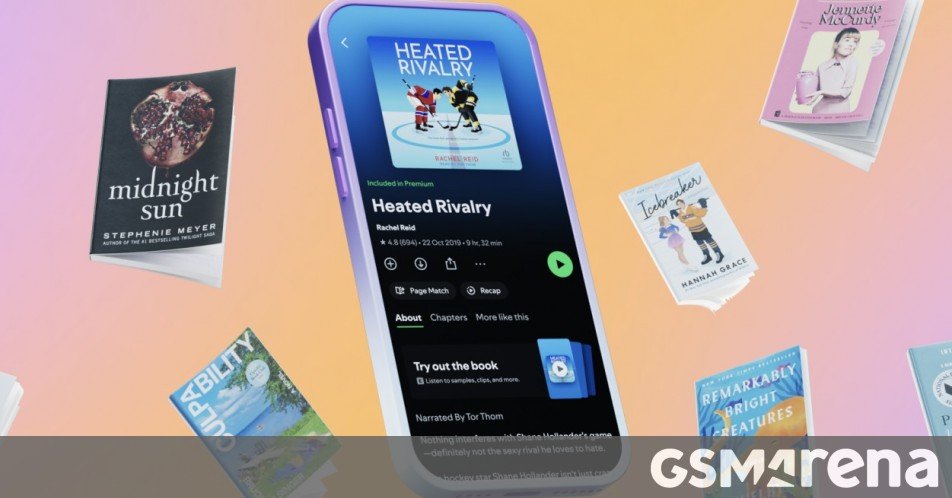
Practical applications
For students, Page Match could be particularly useful for textbooks and academic materials, allowing seamless transitions between reading assigned chapters and listening to them during commutes. For casual readers, it eliminates the need to manually search for your place when switching between formats.
The feature also has potential accessibility benefits, making it easier for users with visual impairments or reading difficulties to switch between audio and text-based content as needed.
Availability and rollout
Page Match is rolling out now to iOS and Android users, with the company promising availability on "most English-language titles" by the end of February. The Bookshop.org integration for physical book purchases is initially limited to users in the US and UK.
As with any new feature that requires camera access and text analysis, users may want to review Spotify's privacy settings to understand how their book content and images are processed and stored.
The introduction of Page Match suggests Spotify sees audiobooks as a core part of its future, not just an add-on feature. By making it easier to integrate audiobooks into existing reading habits, the company is likely hoping to attract users who might otherwise stick to traditional reading formats or use competing audiobook services.
Comments
Please log in or register to join the discussion