
Federal judge orders depositions of Elon Musk and State Department officials as legal battle intensifies over DOGE's restructuring of USAID operations.
A federal judge has ordered Elon Musk and State Department officials to be deposed in a lawsuit challenging DOGE's dismantling of USAID operations, marking a significant escalation in the legal battle over the government efficiency initiative's authority and methods.
Legal Challenge Intensifies
The deposition order comes as critics argue that DOGE's rapid restructuring of USAID represents an overreach of executive authority. The lawsuit, filed by a coalition of government watchdog groups and former USAID employees, contends that the sweeping changes to the agency's operations violate federal law and established administrative procedures.
The plaintiffs allege that DOGE's actions have disrupted critical humanitarian aid programs and diplomatic initiatives, potentially compromising U.S. foreign policy objectives. They argue that the agency's restructuring was implemented without proper congressional oversight or public input.
Musk's Role Under Scrutiny
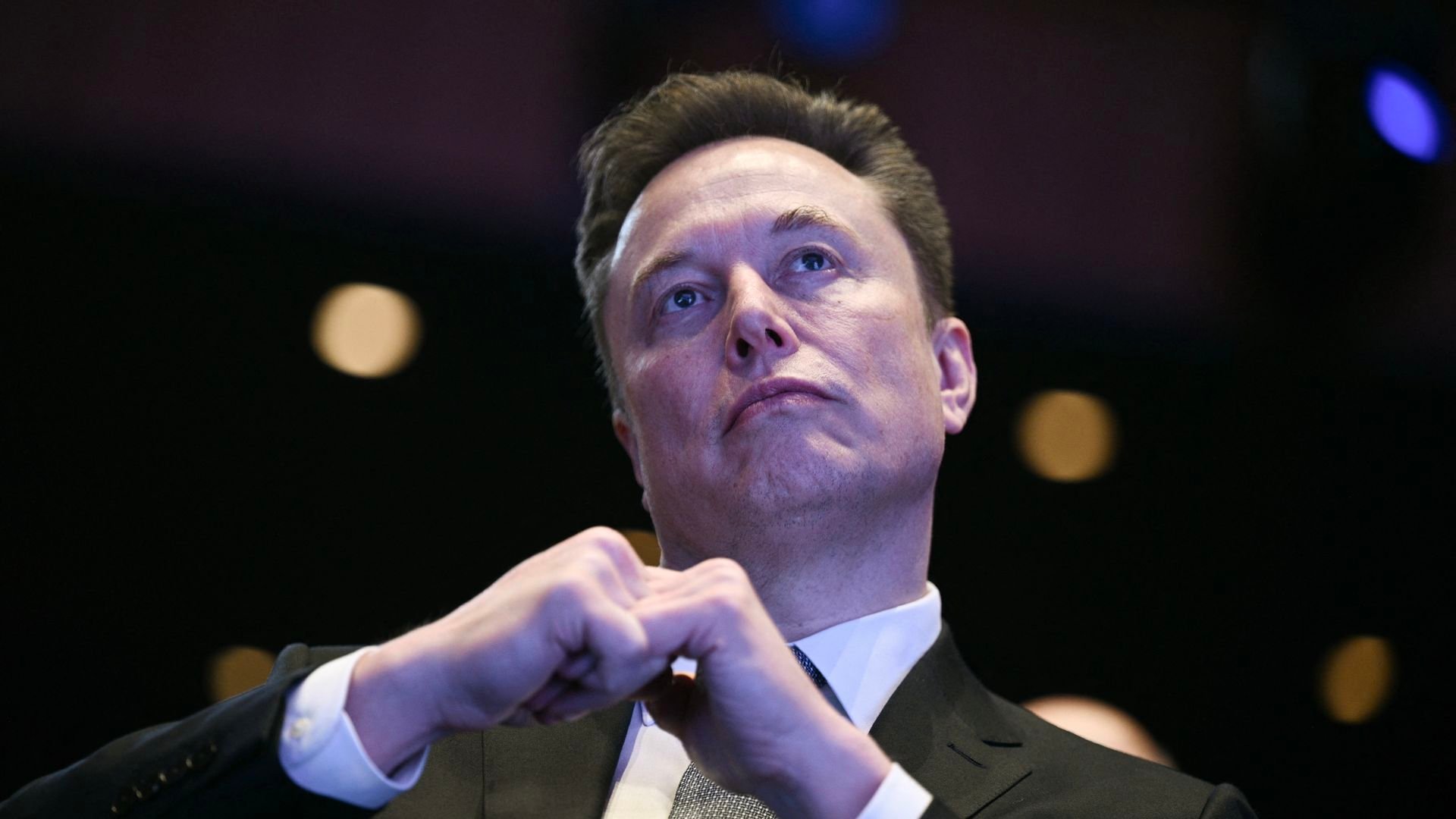
Elon Musk, who has positioned himself as a key advisor on government efficiency, faces questions about his involvement in the USAID restructuring. The deposition will likely focus on the extent of his influence over DOGE's decision-making process and whether his business interests may have conflicted with public service objectives.
DOGE, which stands for Department of Government Efficiency, was established as an advisory body to identify waste and streamline federal operations. However, its aggressive approach to reforming USAID has drawn criticism from both political opponents and career diplomats.
State Department Officials to Testify
Several high-ranking State Department officials have also been ordered to provide depositions. These officials are expected to shed light on internal communications regarding the USAID restructuring and the decision-making process that led to the agency's dramatic overhaul.
The depositions will likely examine whether proper protocols were followed in implementing the changes and whether career diplomats were adequately consulted before major decisions were made.
Timeline and Implications
The depositions are scheduled to begin within the next 30 days, with both sides preparing extensive documentation and witness lists. Legal experts suggest that the case could set important precedents regarding the limits of executive authority in restructuring federal agencies.
If the court finds that DOGE exceeded its mandate, it could force a rollback of the USAID changes and establish new guardrails for future government efficiency initiatives. Conversely, a ruling in favor of DOGE could embolden similar efforts to streamline other federal agencies.
Political Context
The lawsuit comes amid broader debates about government reform and the role of private sector expertise in public administration. Supporters of DOGE argue that the initiative represents a necessary modernization of outdated government structures, while critics warn of the dangers of rapid, top-down reorganization of critical diplomatic functions.
As the legal proceedings unfold, the case is likely to become a focal point in discussions about the balance between efficiency and institutional stability in government operations.
_Source: Axios
Comments
Please log in or register to join the discussion