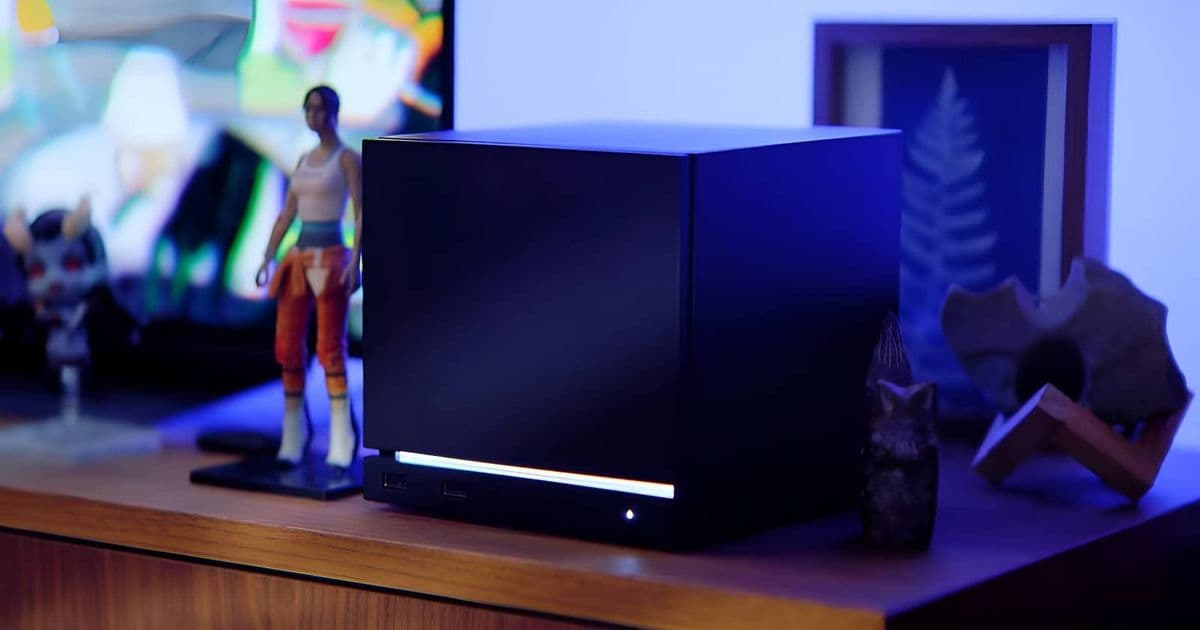
Valve's Steam Machine faces delays and higher costs, raising questions about the future of living room PC gaming and its viability against consoles.
The Steam Machine, Valve's ambitious attempt to bring PC gaming into the living room, has hit a significant roadblock. According to recent reports, the device has been delayed and will now cost consumers more than initially promised. This development raises important questions about the viability of living room PC gaming and Valve's strategy in competing with traditional consoles.
The Original Vision
When Valve first announced the Steam Machine initiative, the concept was revolutionary: a standardized PC gaming platform that could sit comfortably next to your TV, running SteamOS and offering the flexibility of PC gaming with the simplicity of console use. The idea was to bridge the gap between the customization and power of PC gaming and the ease of use that console gamers enjoyed.
Valve partnered with multiple hardware manufacturers to create a range of Steam Machines at different price points, from budget-friendly options to high-end gaming rigs. The open nature of the platform meant users could install Windows if they preferred, and the Steam Controller promised to solve the age-old problem of playing FPS games with a controller.
What Went Wrong
The delays and price increases suggest deeper issues within the Steam Machine project. Several factors likely contributed to these setbacks:
Hardware Complexity: Creating a PC that's both powerful enough for modern gaming and quiet enough for a living room environment proved more challenging than anticipated. The thermal constraints of small form factor PCs, combined with the need for adequate cooling, created engineering hurdles that required more time to solve.
Software Maturity: SteamOS, based on Linux, still faces compatibility issues with many Windows-only games. While Proton has made significant strides in compatibility, the ecosystem isn't as robust as Windows, potentially limiting the appeal to mainstream gamers.
Market Competition: The gaming landscape has evolved considerably since Steam Machines were first announced. Both Sony and Microsoft have improved their console offerings significantly, while cloud gaming services have emerged as potential disruptors. The niche that Steam Machines were meant to fill may be shrinking.
Pricing Pressure: PC components have experienced significant price volatility, particularly with ongoing supply chain issues and increased demand. What might have been a $500 machine a year ago could now cost $700 or more, making it harder to compete with dedicated consoles.
The Impact on PC Gaming
These delays and price increases could have ripple effects throughout the PC gaming ecosystem. If Steam Machines fail to gain traction, it might signal that the market for living room PC gaming is smaller than Valve anticipated.
However, this doesn't necessarily mean the end of PC gaming's evolution. The core technologies developed for Steam Machines—like the Steam Controller's innovative haptic feedback and the optimization of PC hardware for TV use—could still influence future gaming hardware designs.
What This Means for Consumers
For gamers considering a Steam Machine purchase, the current situation presents a dilemma. Waiting for the delayed models might mean getting a more polished product, but it also means missing out on current gaming experiences. The price increases also push these devices further into premium territory, making them less accessible to budget-conscious consumers.
Alternative options are worth considering. Building a custom PC might offer better value and performance, while traditional consoles provide a more straightforward gaming experience. Cloud gaming services could also fill the "play on TV" niche without requiring dedicated hardware.
The Broader Context
The Steam Machine's struggles reflect larger trends in the gaming industry. The lines between PC and console gaming continue to blur, with consoles becoming more PC-like and PCs becoming more console-like. Features like quick resume, game streaming, and unified ecosystems are appearing across all platforms.
Valve's experience with Steam Machines might inform future initiatives. The company has shown remarkable adaptability in the past, from Steam's evolution to the success of the Steam Deck. While Steam Machines as originally conceived may be struggling, the underlying goal of making PC gaming more accessible remains relevant.
Looking Forward
The delay and price increase of Steam Machines serves as a reminder of the challenges in hardware innovation, particularly in the competitive gaming market. Success requires not just good technology, but also perfect timing, appropriate pricing, and genuine consumer demand.
Whether Steam Machines can overcome these obstacles remains to be seen. The concept still has merit, but execution is everything in the hardware business. Valve's next moves will be crucial in determining whether this ambitious project can find its place in the evolving gaming landscape.
For now, gamers and industry watchers alike will be keeping a close eye on how this situation develops. The outcome could influence not just Valve's strategy but the broader direction of living room gaming for years to come.
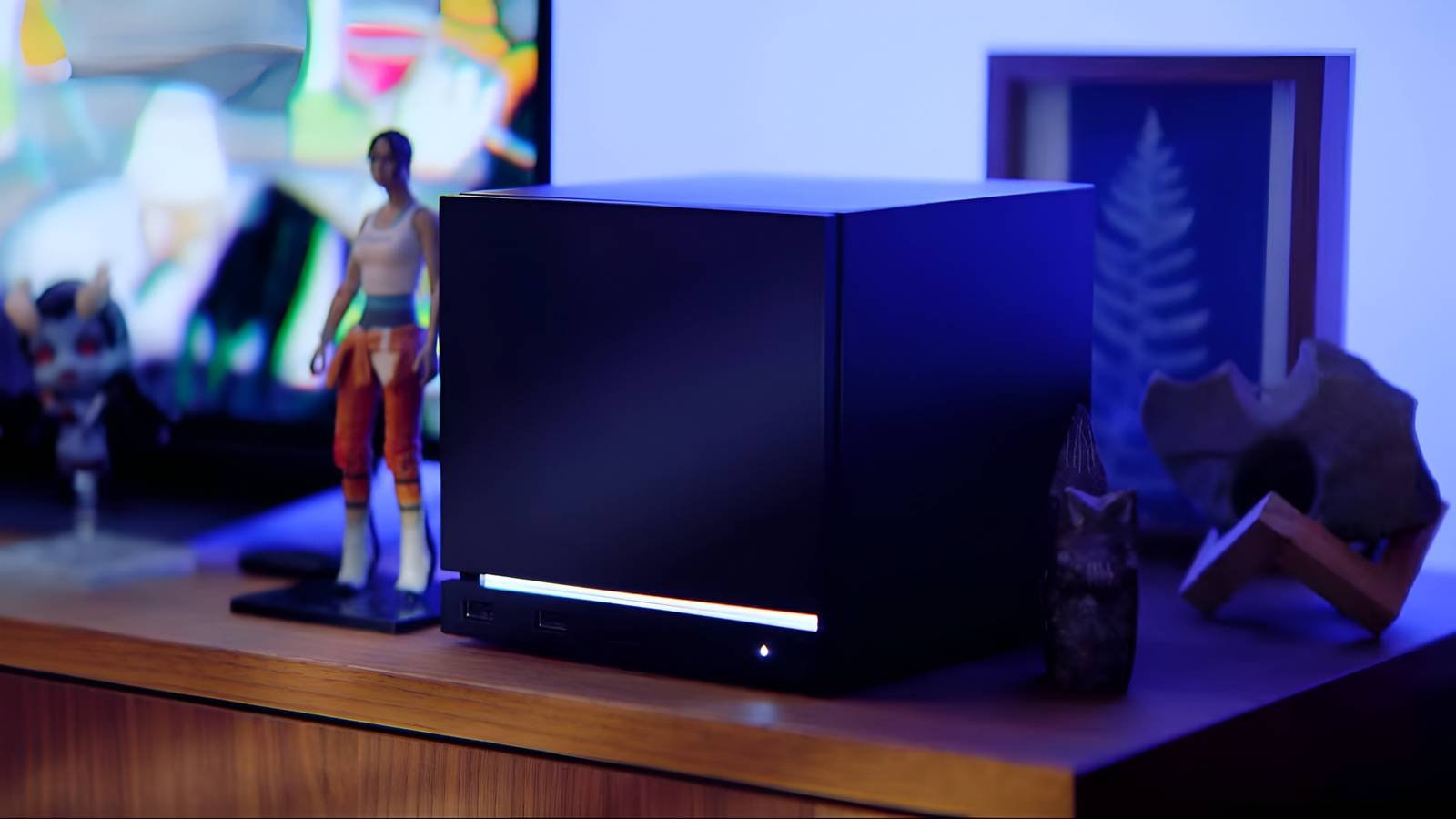
Source: Valve Corporation - Steam Machine concept art
Comments
Please log in or register to join the discussion