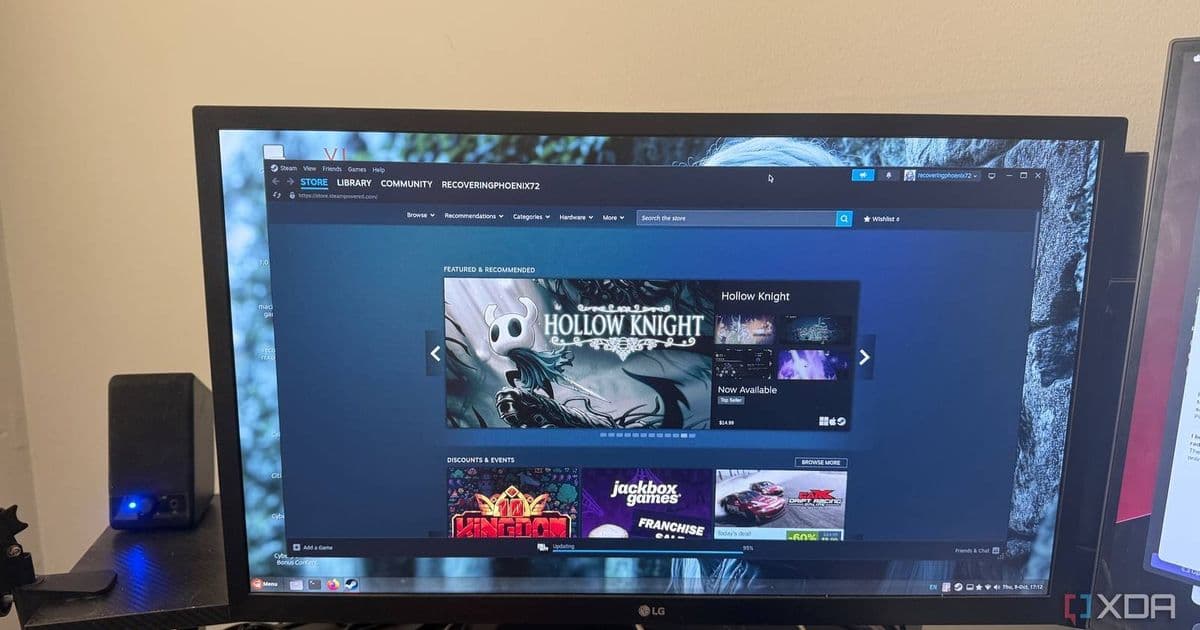
A critical performance bug affecting Steam on Linux has remained unfixed for seven years, causing significant issues for Linux gamers and highlighting ongoing challenges in cross-platform game development.
Linux gamers have been dealing with a frustrating performance bug in Steam for the past seven years, and despite numerous reports and complaints, Valve has yet to address the issue. The bug, which affects the Steam client's performance on Linux systems, has been a persistent thorn in the side of the Linux gaming community, causing slowdowns, crashes, and other issues that significantly impact the gaming experience.
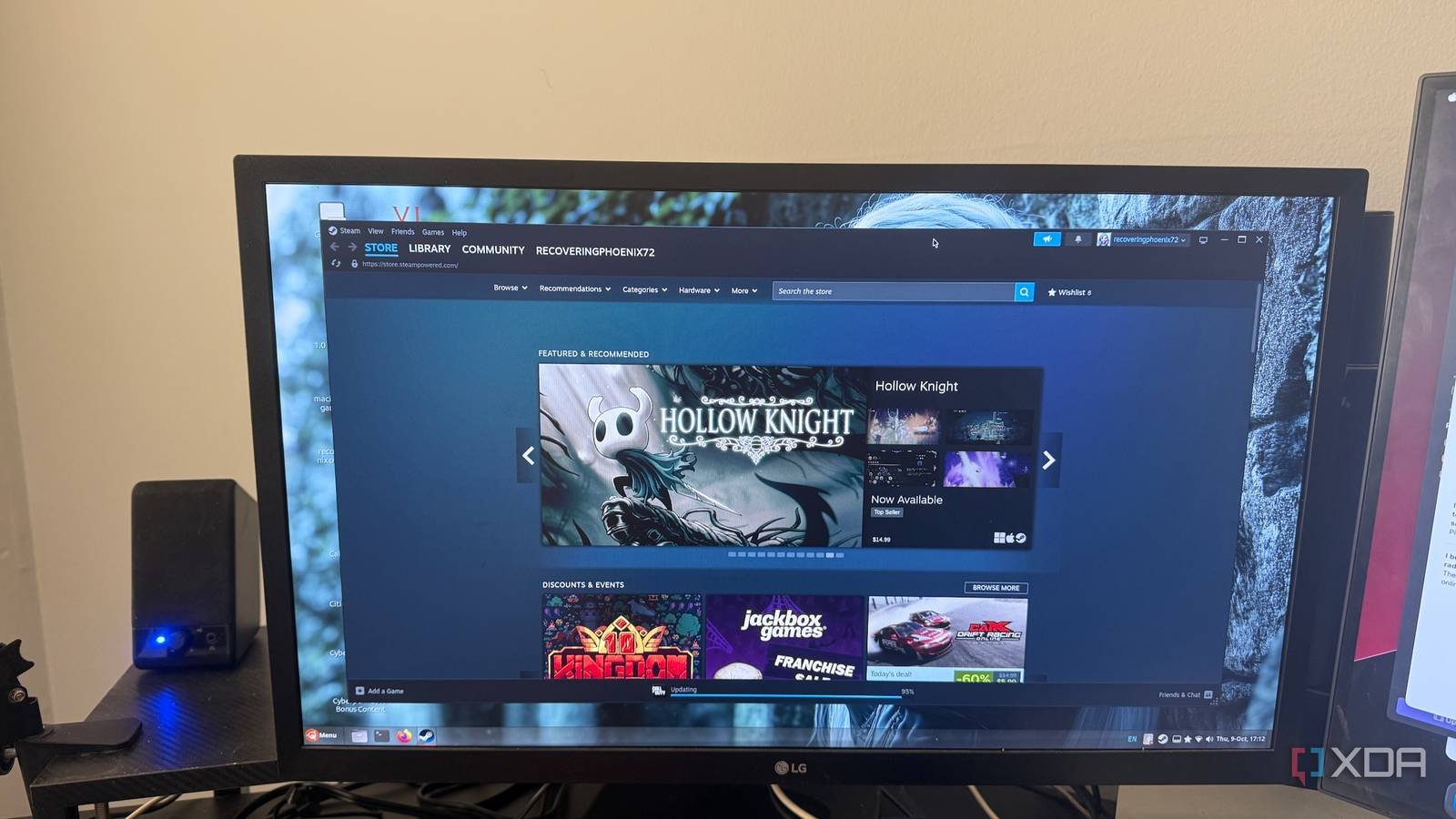
The bug in question primarily affects the Steam client's ability to handle large libraries and multiple downloads simultaneously. Users have reported that when attempting to manage extensive game collections or download multiple titles at once, the client becomes unresponsive, slows to a crawl, or even crashes entirely. This is particularly problematic for Linux users who often rely on Steam as their primary gaming platform, as it severely limits their ability to manage and enjoy their game libraries effectively.
One of the most frustrating aspects of this bug is its longevity. Despite being reported as early as 2019, Valve has yet to provide a fix or even acknowledge the issue publicly. This lack of response has led to growing frustration within the Linux gaming community, with many users feeling neglected or overlooked by Valve.
The persistence of this bug raises questions about Valve's commitment to the Linux platform and its gaming ecosystem. While the company has made significant strides in supporting Linux gaming through initiatives like Proton (which allows Windows games to run on Linux), this long-standing issue suggests that there may be gaps in their support for the platform as a whole.
For Linux gamers, this bug is more than just an inconvenience; it's a significant barrier to enjoying their gaming experience. Many users have resorted to workarounds or alternative solutions, such as using Windows for gaming or limiting their use of the Steam client on Linux. However, these solutions are far from ideal and highlight the need for a proper fix from Valve.
The impact of this bug extends beyond individual users. It also affects game developers who target Linux platforms, as it can lead to negative user experiences and potentially discourage players from engaging with Linux-compatible titles. This, in turn, could slow the growth of the Linux gaming ecosystem and limit the platform's potential in the gaming market.
Despite the frustration surrounding this issue, there is some hope on the horizon. The Linux gaming community is known for its resilience and resourcefulness, and many users have taken matters into their own hands by developing unofficial patches and workarounds. Additionally, the growing popularity of Linux as a gaming platform may eventually compel Valve to prioritize a fix for this long-standing bug.
In the meantime, Linux gamers continue to voice their concerns and push for a resolution. Online forums, social media platforms, and gaming communities are filled with discussions about the bug, with users sharing their experiences and potential solutions. This collective effort demonstrates the passion and dedication of the Linux gaming community, even in the face of persistent challenges.
As we look to the future of Linux gaming, it's clear that addressing issues like this seven-year-old Steam performance bug is crucial for the platform's continued growth and success. While Valve's silence on the matter is concerning, the resilience of the Linux gaming community offers hope that a solution will eventually be found, whether through official channels or community-driven efforts.
For now, Linux gamers will have to continue navigating around this bug, hoping that Valve will finally address it in a future update. Until then, the Linux gaming community remains united in its quest for a better, more stable gaming experience on their platform of choice.
Comments
Please log in or register to join the discussion