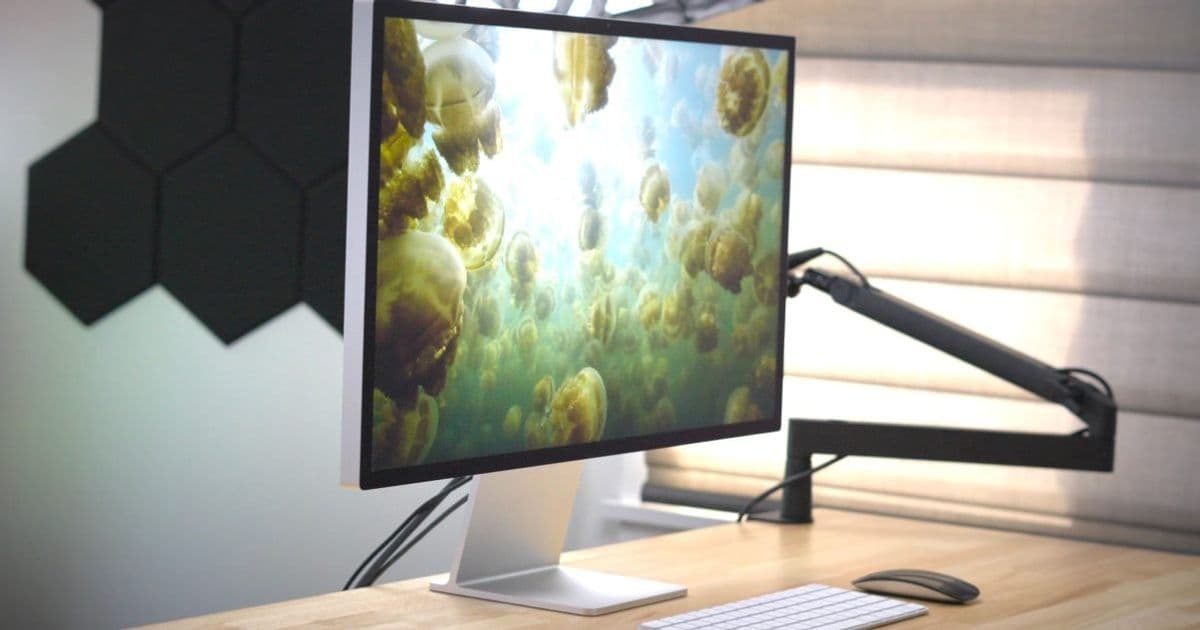
Apple's upcoming Studio Display 2 brings significant technical enhancements—including higher refresh rates, an upgraded A19 chip, mini-LED backlighting, and HDR support—that will impact display rendering, camera processing, and HDR content development for macOS and iOS applications.
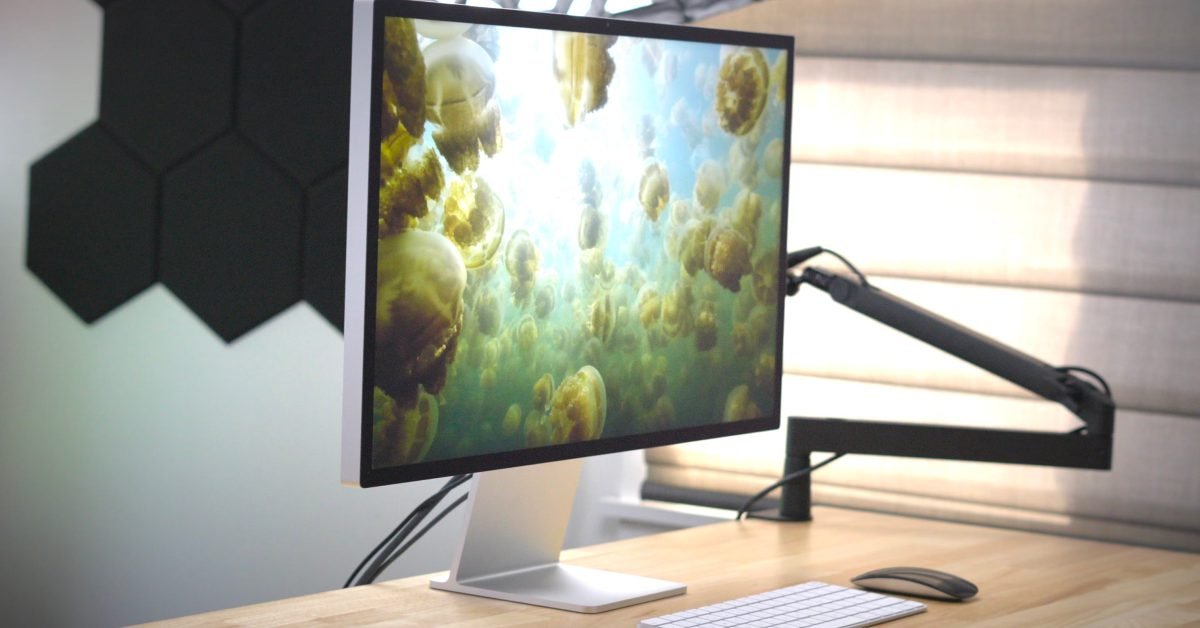
After four years without updates since its March 2022 debut, Apple's Studio Display is poised for a substantial upgrade. Multiple sources including Bloomberg's Mark Gurman and display analyst Ross Young confirm the Studio Display 2 is imminent, retaining the existing physical design while introducing four critical technical improvements that directly impact developers working with Apple's display ecosystem.
Core Technical Upgrades
Higher Refresh Rate Implementation The current Studio Display operates at a standard 60Hz refresh rate. The new model will increase this to either 90Hz or 120Hz (reports vary), enabling smoother motion handling. For developers, this means:
- Metal-based animations and UI transitions will appear significantly smoother
- Video playback APIs can leverage higher frame rates
- Touch response latency improves for touch-enabled workflows
- Requires testing with CADisplayLink to optimize rendering pipelines
A19 Chip Upgrade The original A13 Bionic chip gets replaced by Apple's latest A19 silicon. This powers the display's integrated systems:
- Enhanced computational photography for the 12MP Ultra Wide camera
- Improved audio processing for the six-speaker array
- Faster "Hey Siri" response and voice isolation Developers using the Studio Display's camera input via AVFoundation will benefit from upgraded image signal processing without code changes, though tuning may optimize quality.
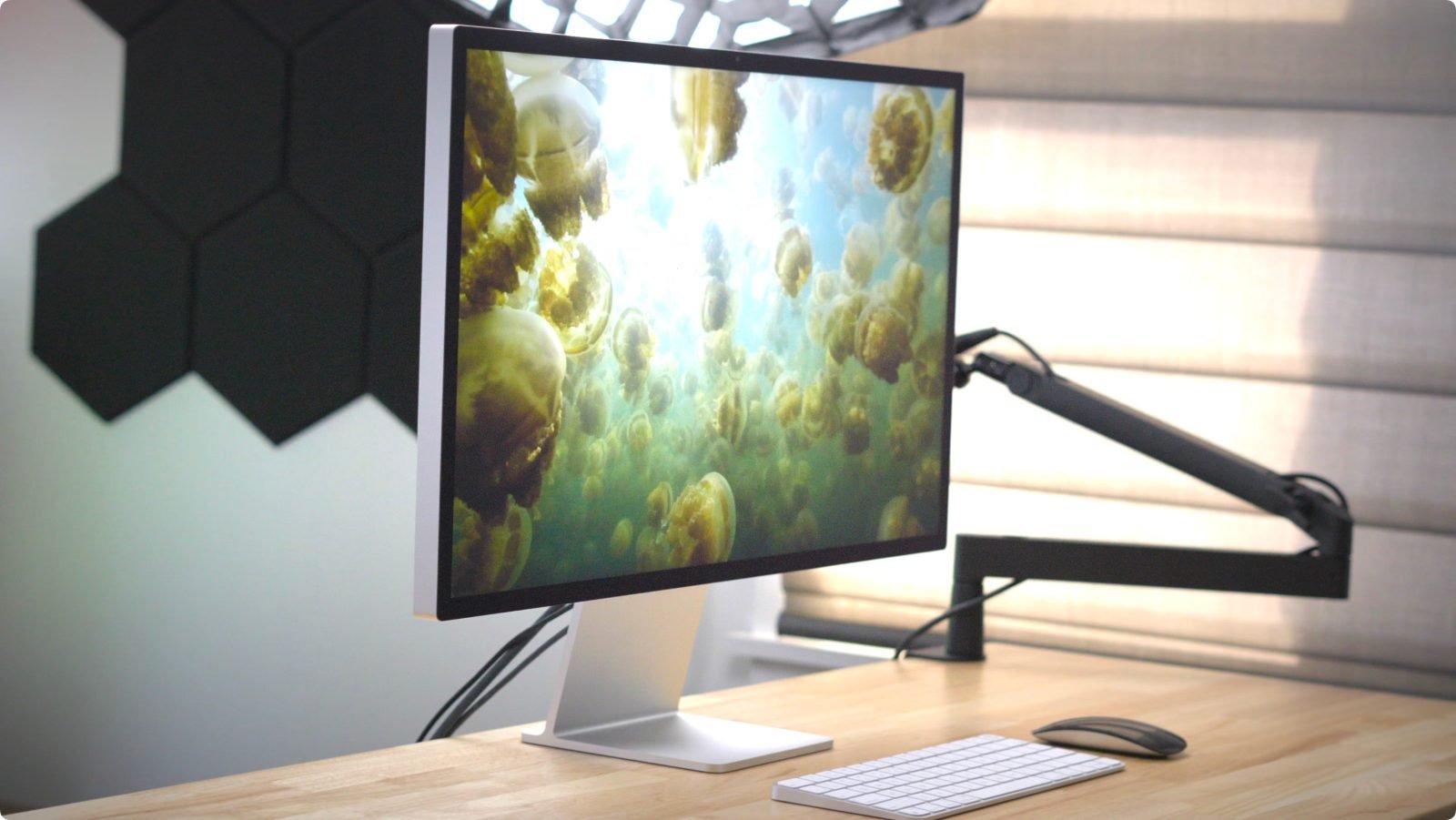
Mini-LED Display Technology Transitioning from standard LED backlighting to mini-LED (previously seen in MacBook Pro models) brings:
- Higher peak brightness (expected >1000 nits)
- Deeper blacks via localized dimming zones
- Improved color uniformity This affects content creation apps dealing with color-critical workflows. Developers should validate color profiles using ColorSync and test HDR implementations.
Native HDR Support The mini-LED panel enables true HDR (High Dynamic Range) capabilities:
- Support for HDR10 and Dolby Vision content
- Compatibility with AVFoundation's HDR playback APIs
- Requires updated asset pipelines for HDR video creation
Developer Implications
- Graphics Optimization: Higher refresh rates demand efficient rendering. Test Metal pipelines under sustained high frame rates using Xcode's Metal System Trace instrument.
- Camera Integration: The A19 chip likely improves Center Stage and studio lighting features. Verify continuity in camera-based apps using AVCaptureDevice APIs.
- HDR Content Workflows: Content creation tools must properly handle PQ/HLG color spaces. Use Core Image filters tuned for HDR and validate via EDR APIs.
- Backward Compatibility: Maintain fallbacks for 60Hz rendering and SDR color when targeting older displays.
Migration Considerations
- Update display detection logic to identify Studio Display 2 capabilities
- Implement graceful fallback for HDR content on unsupported displays
- Profile app performance at higher refresh rates
- Test camera features with new image signal processing
- Validate color accuracy across reference modes
The Studio Display 2 represents Apple's commitment to prosumer displays, with upgrades particularly relevant for developers creating graphics-intensive applications, video editing tools, and camera-enhanced experiences. With availability expected by mid-2026, now is the time to prepare test suites for these hardware advancements.
How will these display enhancements affect your development priorities?
Comments
Please log in or register to join the discussion