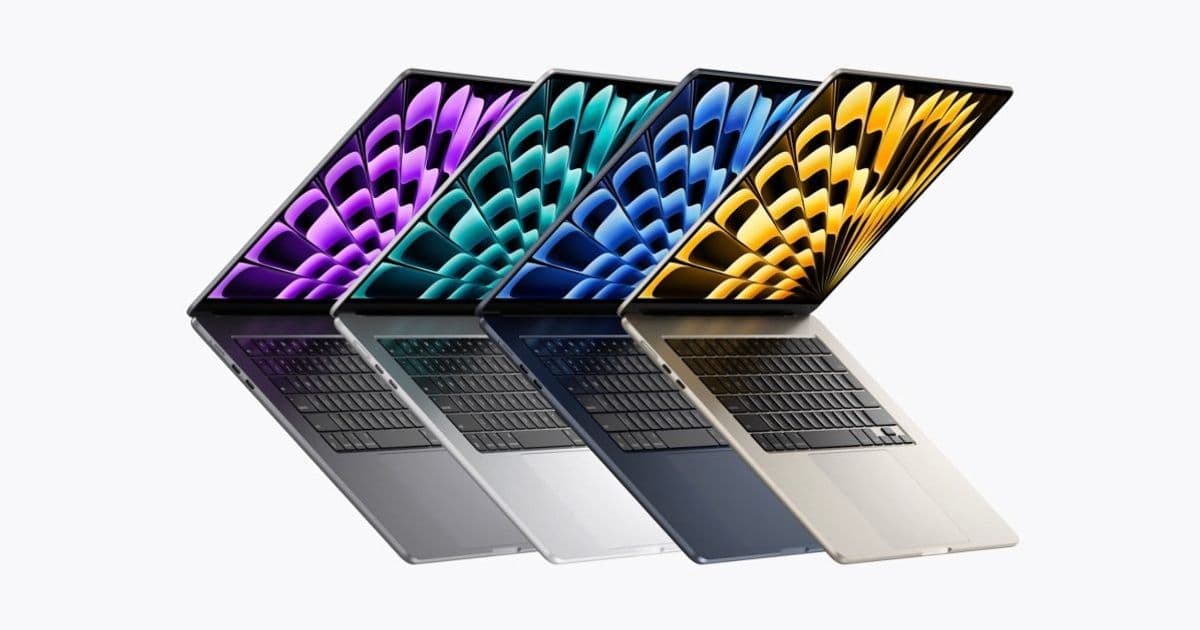
Apple is reportedly preparing a new entry-level MacBook positioned below the MacBook Air, featuring a 12.9-inch display, iPhone-class A18 Pro chip, and vibrant color options – reshaping the affordable laptop market.
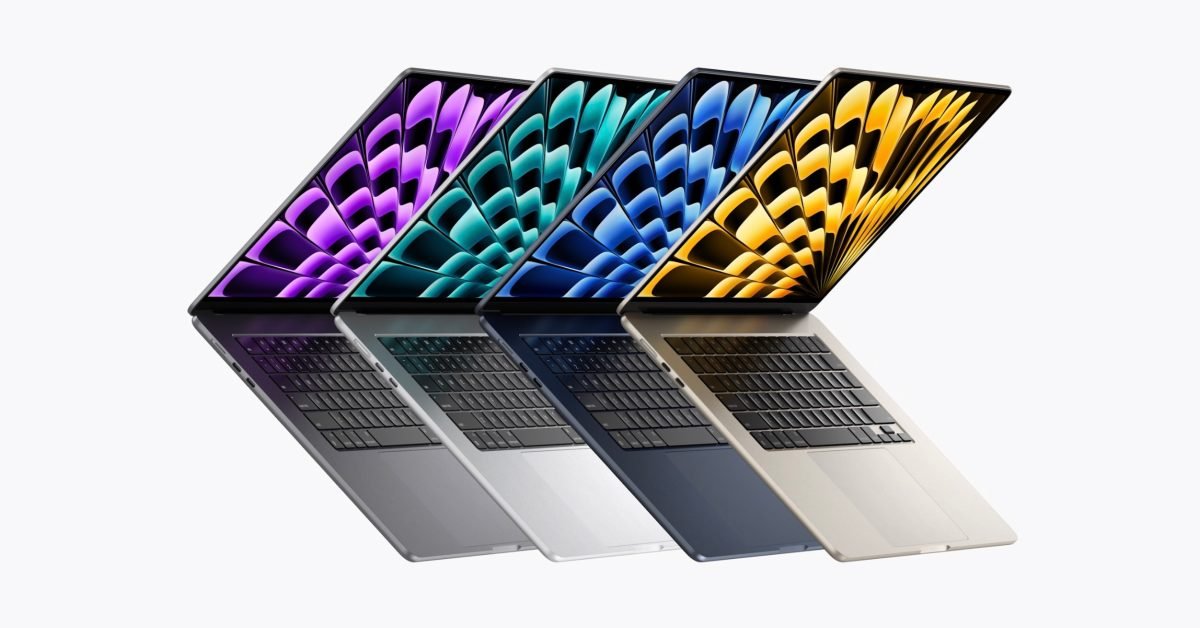
Apple's laptop lineup appears poised for significant expansion with rumors pointing to a new entry-level "MacBook" positioned below the MacBook Air. Unlike Apple's current naming conventions, this device would drop both the "Air" and "Pro" suffixes, signaling a distinct product category targeting budget-conscious consumers and education markets. Current leaks suggest a late Q2 or early Q3 2026 launch, with several technical specifications carrying notable implications for developers.
Core Hardware Specifications
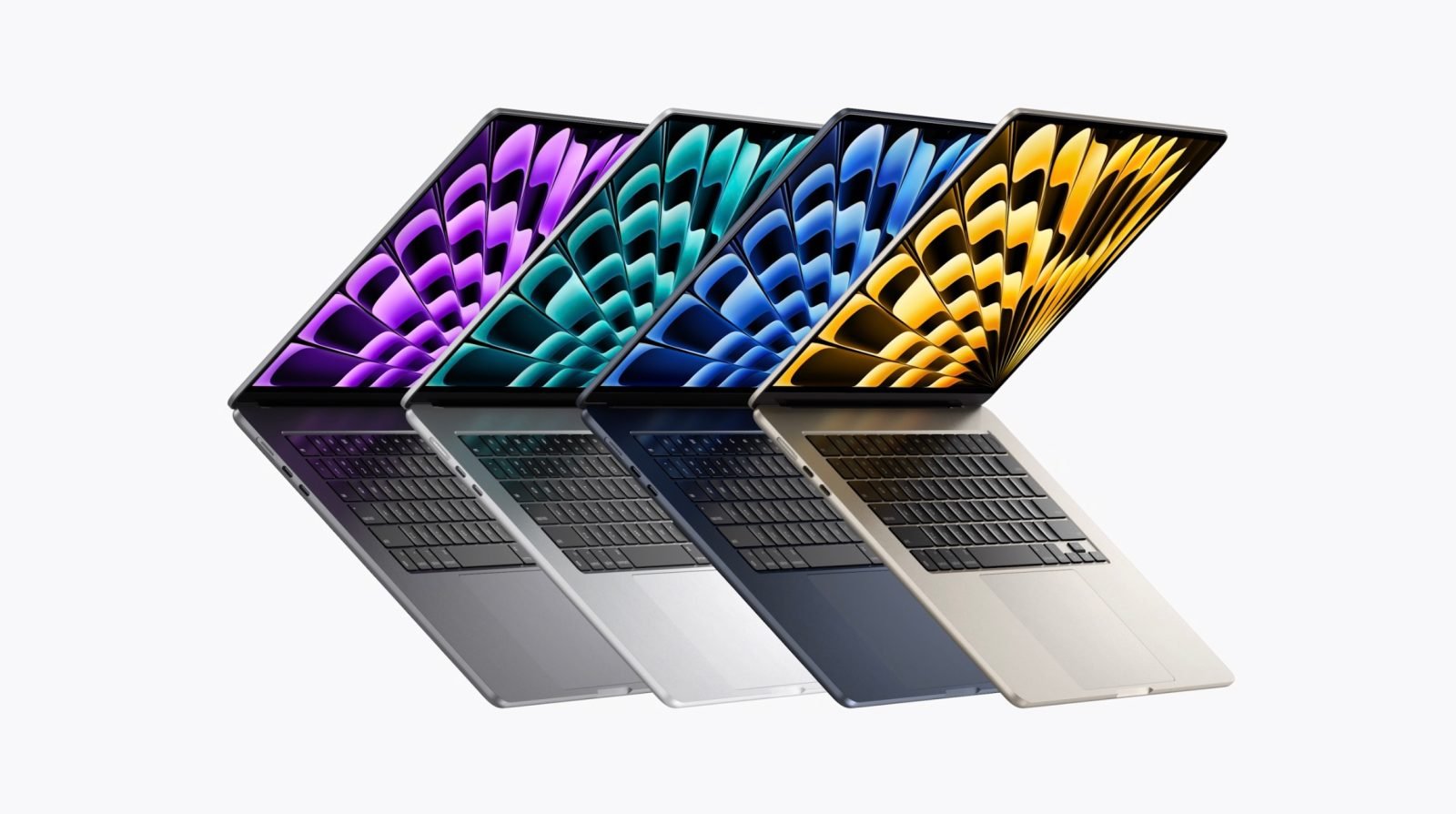
The device is expected to feature a 12.9-inch LCD display with 2560x1664 resolution – slightly smaller than the MacBook Air's 13.6-inch panel but maintaining similar pixel density. Unlike Apple's premium laptops, this model reportedly omits the display notch and ProMotion technology, instead opting for a standard 60Hz refresh rate. The bezels will likely be thicker than current Pro models, though still slimmer than previous-generation Intel MacBooks. This display choice balances cost savings with sufficient quality for everyday productivity tasks.
Revolutionary Chip Architecture
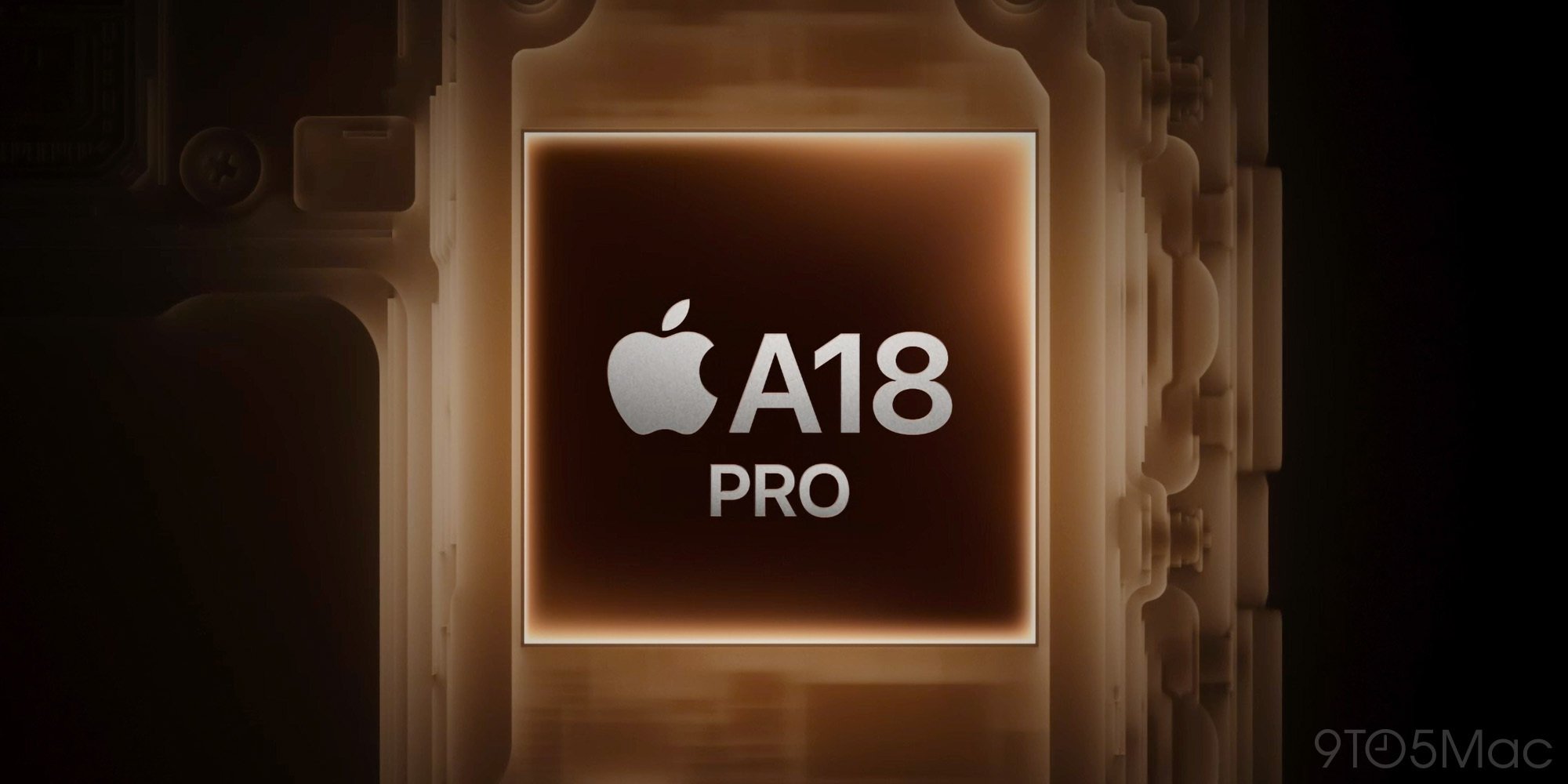
The most radical departure comes in processing architecture. Instead of Apple's M-series chips, leaks indicate the MacBook will use a modified A18 Pro processor – the same silicon destined for iPhone 16 Pro models. This represents Apple's first use of smartphone-class SoCs in macOS devices since the discontinued 12-inch MacBook. Early benchmarks suggest the A18 Pro will deliver single-core performance comparable to M2 chips, but multi-core throughput closer to M1 levels due to core count limitations.
For developers, this architecture shift creates critical considerations:
- Apps must be compiled for ARM64 architecture (already standard for Apple Silicon)
- Memory constraints: Expected 8GB RAM ceiling necessitates efficient memory management
- GPU capabilities target Metal feature set Tier 2 (equivalent to M1)
- Neural Engine compatibility requires validation for Core ML workloads
- Thermal design power (TDP) capped at 10W necessitates optimization for sustained performance
Strategic Positioning
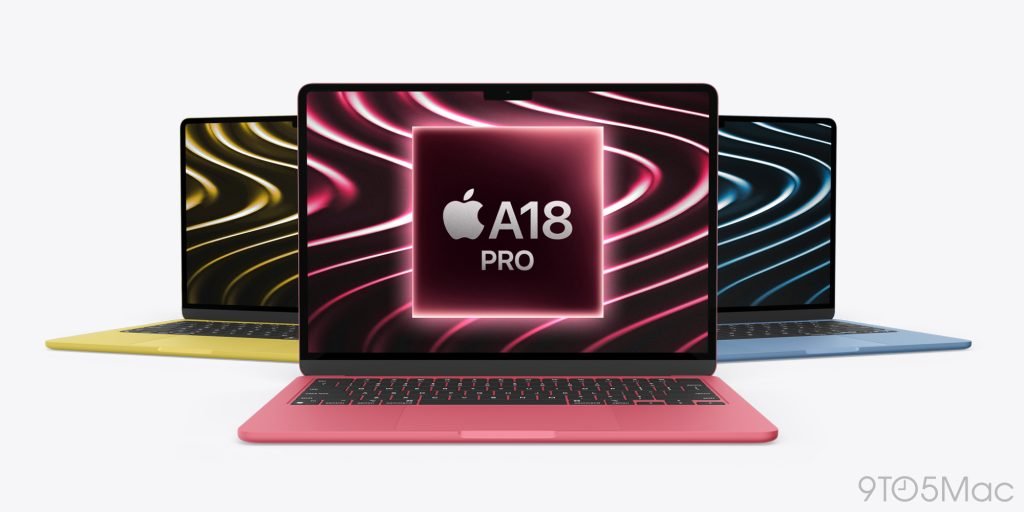
Positioned at an estimated $699 starting price, the new MacBook undercuts the MacBook Air by $300. This aggressive pricing comes with tradeoffs:
- Limited port selection (expected: 2x USB-C/Thunderbolt 4)
- Non-upgradeable storage
- Aluminum unibody construction with fewer material layers
- Color options mirroring consumer-focused iMacs: Space Gray, Silver, Blue, Pink, and Yellow
The device targets web browsing, document editing, streaming media, and light creative work. Educational institutions appear to be a primary market segment, potentially replacing aging iPad+keyboard setups with full macOS capabilities.
Developer Implications

This new product category creates several development considerations:
- Performance Thresholds: Establishes a new minimum spec for macOS apps. Developers should test against A18 Pro benchmarks (estimated Geekbench 6: 3200 single-core / 9000 multi-core)
- Optimization Targets: Apps should gracefully handle:
- Memory pressure warnings
- Thermal throttling scenarios
- Background process limitations
- Feature Gating: Consider disabling processor-intensive features (like real-time ray tracing) on A-series chips
- Accessibility: Bright, saturated color options necessitate testing color contrast ratios
- Deployment Strategy: Enterprise/MDM solutions should account for potential deployment in education environments
Timeline and Ecosystem Impact
Analysts including Ming-Chi Kuo and Mark Gurman point to late spring or early summer 2026 availability. The device will likely ship with macOS 15 "Skyline," which reportedly includes optimizations for A-series silicon in desktop environments.
For developers, this represents both opportunity and challenge: A massive new entry point into the macOS ecosystem could significantly expand your user base, but requires consideration of tighter hardware constraints. Performance testing should now include simulated A-series chip profiles alongside M-series benchmarks.
Will this new MacBook affect your development priorities? Share your testing strategies for entry-level hardware in the comments.
Further Resources:
Comments
Please log in or register to join the discussion