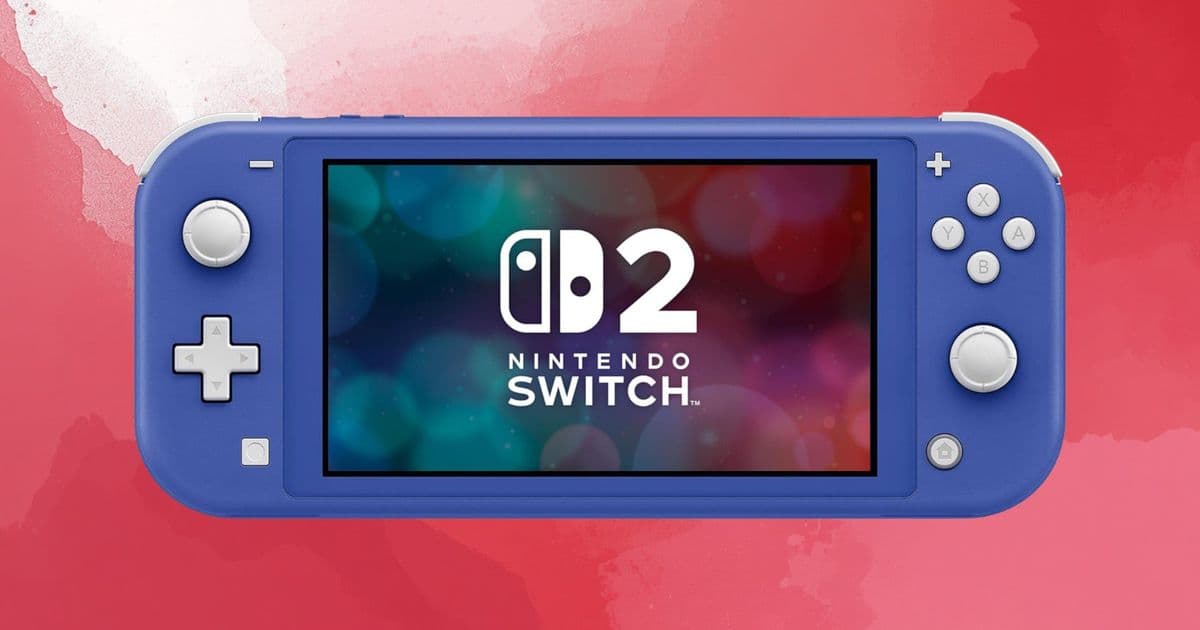
Nintendo’s FY 2026 financials show a 24 % jump in R&D spending, prompting speculation that a cheaper Switch 2 variant – perhaps an OLED‑lite hybrid – is in the works. We break down the numbers, compare past spend patterns, and assess how realistic the rumored revisions are.
Switch 2 OLED and Lite rumors flare up after Nintendo’s R&D spend spikes
Nintendo’s fiscal 2026 report revealed a ¥177.8 billion research and development bill, up 23.7 % from the previous year. The headline‑grabbing figure arrived alongside a modest price hike for the Switch 2, and it has instantly become fodder for speculation forums. Why does a sudden R&D surge matter for handheld gamers? In short, it often signals that a company is allocating resources to a new product cycle or a major revision of an existing platform.
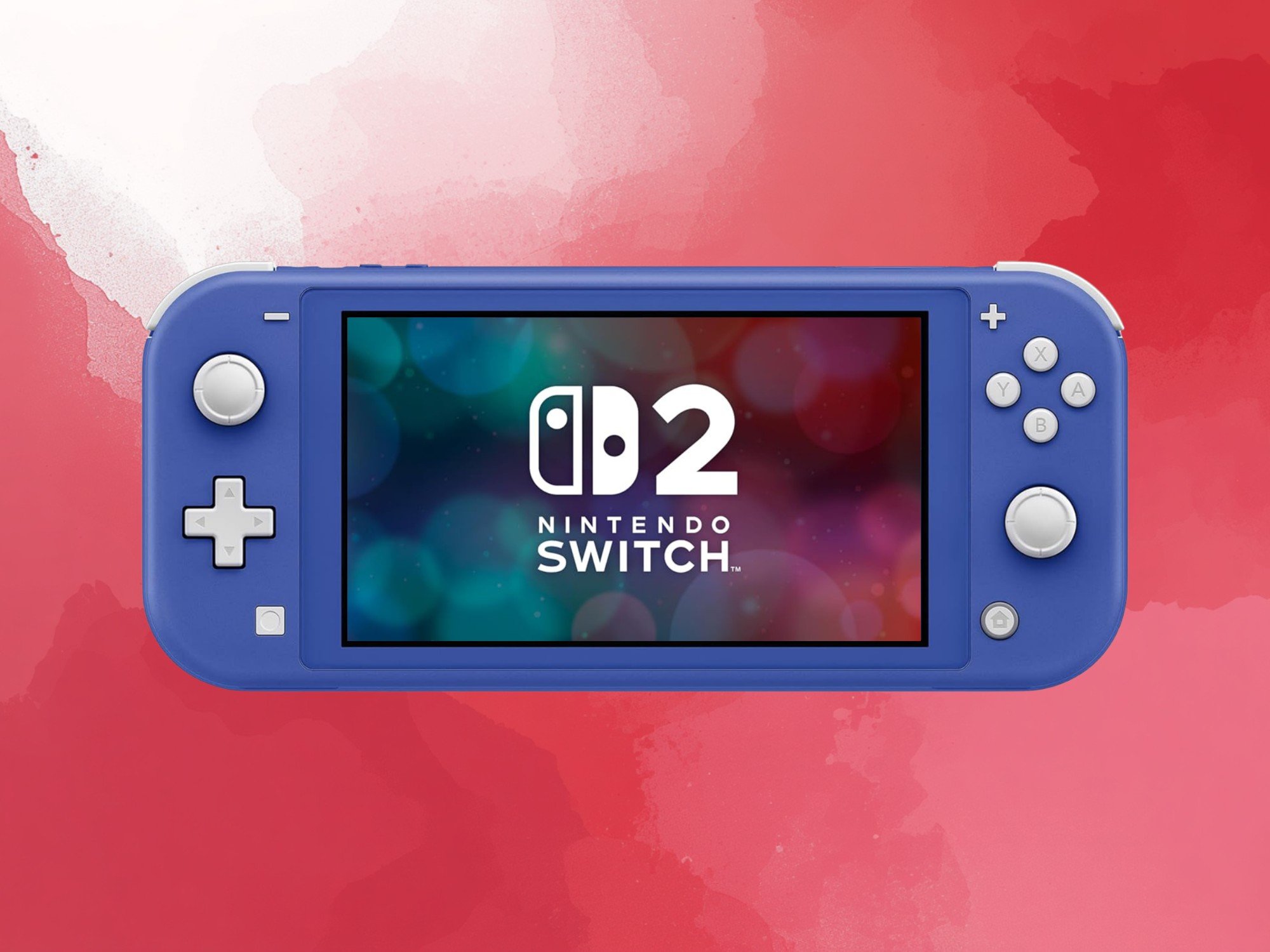
What the numbers tell us
| Fiscal year | R&D spend (¥ bn) | YoY change |
|---|---|---|
| 2019 | 69.6 | – |
| 2020 | 84.1 | +20.9 % |
| 2021 | 92.3 | +9.8 % |
| 2022 | 101.5 | +10.0 % |
| 2023 | 122.0 | +20.2 % |
| 2024 | 144.6 | +18.5 % |
| 2025 | 144.6 | 0 % |
| 2026 | 177.8 | +23.7 % |
The only year that saw a comparable jump to 2026 was the 2023‑2024 interval, a period that coincided with the final stages of Switch Lite development and the early planning of the Switch 2. The pattern suggests Nintendo ramps up spend when a new hardware generation is on the drawing board, then steadies once the product launches.
Historical context: hardware revisions vs. software R&D
Nintendo’s patents and software initiatives (mobile titles, cloud services, AI‑driven game design tools) consume a sizable chunk of the budget. However, the spikes that line up with console releases are usually tied to silicon engineering, display sourcing, and peripheral redesign. The Switch 2 launch in June 2025 was preceded by a 10 % rise in 2024, which matched the development of the OLED screen and the upgraded Nvidia Tegra X1+ chip.
When the FY 2026 increase arrived, the Switch 2 had already been on the market for a year. That timing is unusual unless Nintendo is planning a mid‑cycle refresh—the kind of update we saw with the Switch Lite in 2019 and the OLED model in 2021.
The rumors that gained traction
- “OSM” tag in the Nintendo Account portal – A January 2026 datamine uncovered a new identifier labeled “OSM” alongside the familiar “BEE” code used for the current Switch 2 firmware. The community interpreted OSM as OLED‑Switch‑Mini or Optimized‑Switch‑Model, fueling the Lite‑variant theory.
- Bloomberg’s March report on lagging sales – Analyst Takashi Mochizuki suggested Nintendo would accelerate hardware revisions if the Switch 2’s sales trajectory flattened. A lower‑priced version would help maintain momentum in markets where price sensitivity remains high (Europe, Latin America).
- Podcast speculation on a $350 MSRP – Former Nintendo marketers Kit & Krysta floated a “budget Switch 2” figure that sits between the current $399 price and the $299 price point of the original Switch Lite.
- EU repair‑regulation compliance – Nintendo confirmed a redesign that makes battery replacement user‑friendly. While the change alone may not justify a ¥30 billion R&D jump, integrating a modular battery system could be part of a broader cost‑reduction strategy for a cheaper model.
How a Switch 2 Lite could differ from the current handheld
| Feature | Switch 2 (current) | Potential Switch 2 Lite |
|---|---|---|
| Display | 7‑inch OLED, 720p | 6.2‑inch LCD, 720p (cost‑saving) |
| Chipset | Nvidia Tegra X1+ | Same X1+ (re‑clocked lower) |
| Storage | 64 GB (expandable) | 32 GB (expandable) |
| Battery | 4,060 mAh (≈9 h) | 3,500 mAh (≈7 h) |
| Joy‑Con | Detachable, IR sensor | Detachable, no IR sensor |
| Price | $399 | $349‑$359 |
The trade‑off would be a modest downgrade in display technology and battery life, but the core gaming experience—Nintendo’s hybrid form factor and software library—remains intact. That aligns with Nintendo’s historical approach: keep the ecosystem stable while trimming hardware costs.
Who would benefit?
- Casual gamers who primarily play indie titles or Nintendo‑first releases and don’t need the OLED’s deep blacks.
- Parents buying for children; a lower price point reduces the barrier to entry while still offering the Switch’s versatile docked/handheld experience.
- Regions with stricter price competition (e.g., EU, South America) where a $350 device could compete more directly with competing handhelds.
Power users who prize the OLED’s colour accuracy and the extra battery capacity are likely to stick with the existing Switch 2 or wait for a future Switch 2 Pro that could re‑introduce premium specs at a higher price.
Bottom line
Nintendo’s FY 2026 R&D spend surge is the strongest quantitative hint yet that a mid‑cycle Switch 2 refresh is on the drawing board. The combination of a new “OSM” firmware tag, analyst commentary on sales pressure, and concrete cost‑cutting moves (modular battery) points toward a Lite‑style variant aimed at price‑sensitive markets. If Nintendo follows its own pattern, we could see an official announcement in the late 2026 window, giving the company time to iron out the design and secure component pricing before the holiday season.
Keep an eye on Nintendo’s patent filings and any further datamining of the Account portal—those will be the first places a new SKU name surfaces.
Sources: Nintendo FY 2026 financial results, Bloomberg March 2026 article, Reddit user AngieK22, Nintendo Account portal datamine (Jan 2026).
Comments
Please log in or register to join the discussion