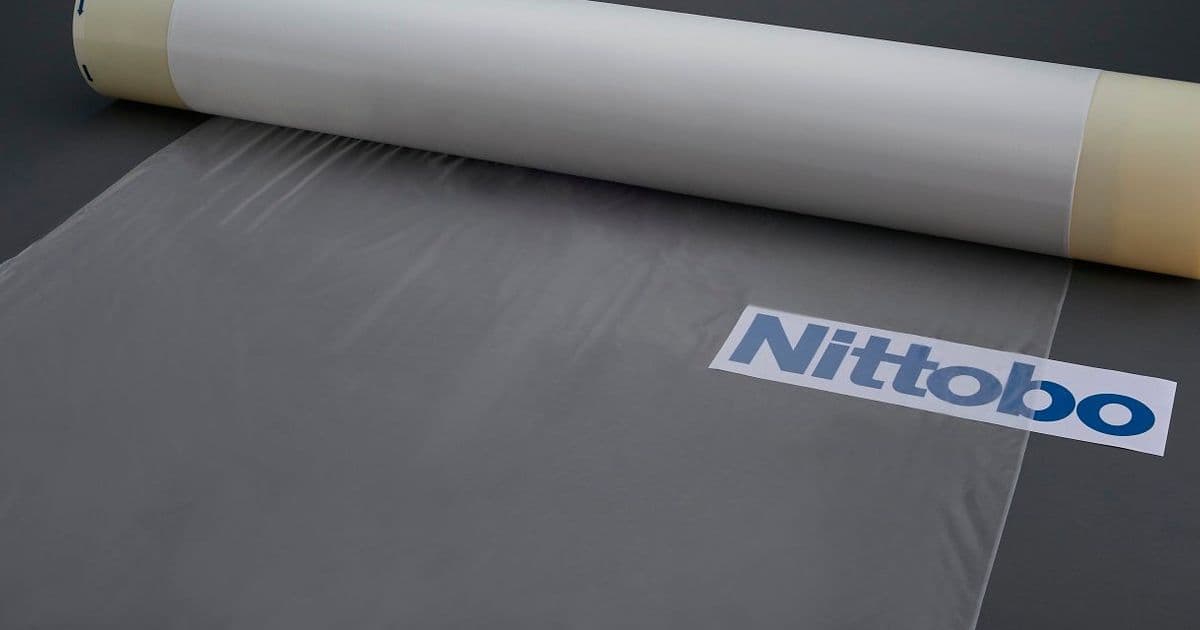
A critical component for advanced semiconductor manufacturing faces supply constraints, potentially impacting chip production timelines and costs.
The semiconductor industry is grappling with a shortage of T-glass, a specialized ultrathin glass sheet essential for manufacturing advanced chips, according to a report by Yang Jie in the Wall Street Journal. The material, which is critical for chip packaging and miniaturization, is primarily produced by Nittobo, a Japanese manufacturer that has no immediate plans to expand production capacity.
T-glass serves as a substrate for advanced packaging techniques that allow chipmakers to stack multiple dies and create more powerful, energy-efficient processors. As semiconductor designs push toward smaller nodes and more complex architectures, the demand for high-quality T-glass has surged. The material's ultrathin profile—often measured in micrometers—enables manufacturers to achieve the precise tolerances required for cutting-edge chip designs.
Industry analysts note that prices for T-glass have risen sharply as supply struggles to meet demand. The shortage comes at a particularly challenging time for chip manufacturers, who are already navigating supply chain disruptions and capacity constraints across multiple materials and components.
Nittobo's decision not to expand capacity for months has raised concerns among chipmakers about potential production delays. The company's position suggests either confidence in meeting demand through existing facilities or strategic restraint in the face of market uncertainties.
The T-glass shortage highlights the intricate dependencies within the semiconductor supply chain. While much attention has focused on wafer production and lithography equipment, specialized materials like T-glass play equally crucial roles in enabling advanced chip manufacturing. The concentration of T-glass production among a limited number of suppliers creates vulnerabilities that can ripple through the entire industry.
Chip manufacturers are reportedly exploring alternative materials and suppliers to mitigate the impact of the shortage. However, T-glass's unique properties make it difficult to substitute without compromising performance or requiring significant redesigns of manufacturing processes.
The timing of the shortage is particularly problematic as demand for advanced chips continues to grow across multiple sectors, including artificial intelligence, high-performance computing, and next-generation mobile devices. Any disruption to T-glass supply could potentially slow the rollout of new chip designs and impact product launch timelines for major technology companies.
Industry experts suggest that the shortage may persist until new production capacity comes online, potentially creating a bottleneck in the semiconductor supply chain that could last several months. This situation underscores the ongoing challenges facing the chip industry as it attempts to scale production to meet surging global demand while managing complex supply chain dependencies.
The T-glass shortage serves as a reminder that even specialized, seemingly minor components can have outsized impacts on the technology industry's ability to deliver cutting-edge products to market.
Comments
Please log in or register to join the discussion