ZDNET's exhaustive testing reveals the tablets pushing the boundaries of performance and versatility, from Apple's AI-enhanced iPads to Samsung's Galaxy Tab S10 Ultra powerhouse. Discover which devices justify replacing your laptop and how specialized models cater to creators, students, and mobile professionals.
The modern tablet has evolved beyond a content-consumption device into a legitimate productivity powerhouse. ZDNET's latest round of rigorous testing—spanning benchmark analysis, real-world workflow simulations, and battery endurance trials—identifies the top performers across categories. With new silicon, AI integration, and refined accessories, these tablets are reshaping what mobile computing means in 2025.
The Performance Paradigm Shift
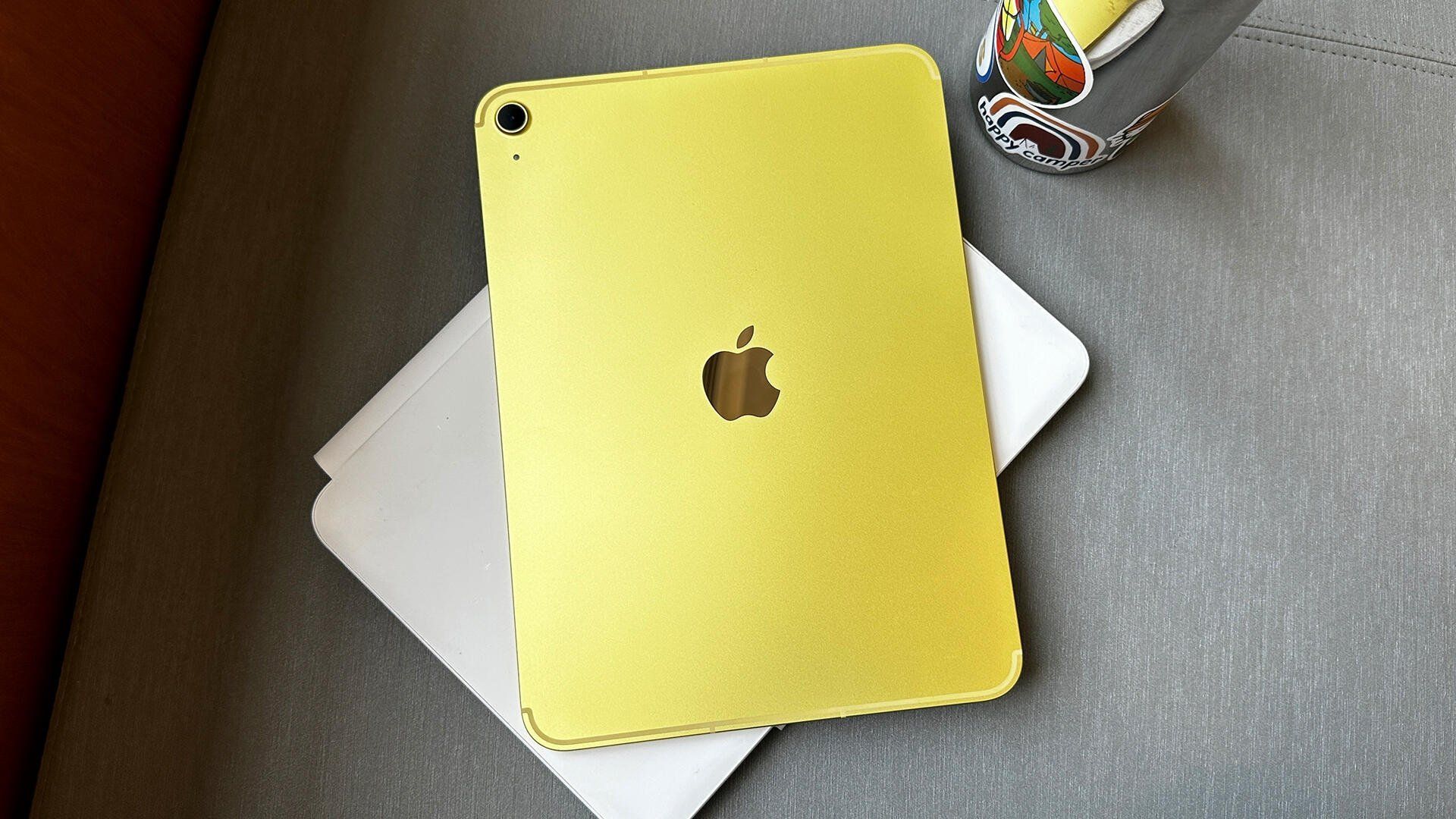
Apple's strategic stratification is clearer than ever. The 11th-gen base iPad ($319) remains ZDNET's top overall pick, delivering exceptional value with its A16 Bionic chip and 10-hour battery life. Senior Editor Maria Diaz confirmed: "Benchmark tests showed the new iPad is a clear leader... with flawless performance during photo editing and gaming." Yet it deliberately excludes Apple Intelligence—a feature reserved for the premium iPad Pro and Air models.
At the apex sits the iPad Pro (7th-gen) with the revolutionary M4 chip and Tandem OLED display. Reviews Editor Kerry Wan noted its transformative visual experience: "Colors pop, and darker scenes have shadow detail unseen on older Pros." Paired with the redesigned Magic Keyboard and Pencil Pro (featuring gyroscopic control and haptic feedback), it blurs the line between tablet and workstation—though iPadOS limitations persist.
Android's Answer to Apple Dominance
Samsung counters with the Galaxy Tab S10 Ultra ($1,200), leveraging MediaTek's Dimensity 9300+ and Galaxy AI for creative workflows. Its 14.6" Dynamic AMOLED screen and S Pen integration impressed testers, though its 2.35-pound weight compromises portability. Meanwhile, the OnePlus Pad 3 ($699) disrupts the mid-range with Qualcomm's Snapdragon 8 Elite and a 144Hz display. "Performance was reliably fast... comparable to the $1,099 iPad Pro," observed Wan.
Specialized Contenders
- Microsoft Surface Pro 11: Qualcomm's Snapdragon X Elite powers this Windows hybrid, excelling in art applications with its PixelSense OLED and Slim Pen precision.
- Amazon Kindle Scribe: Now with Active Canvas layer for digital annotations and AI-powered note summarization—ideal for researchers.
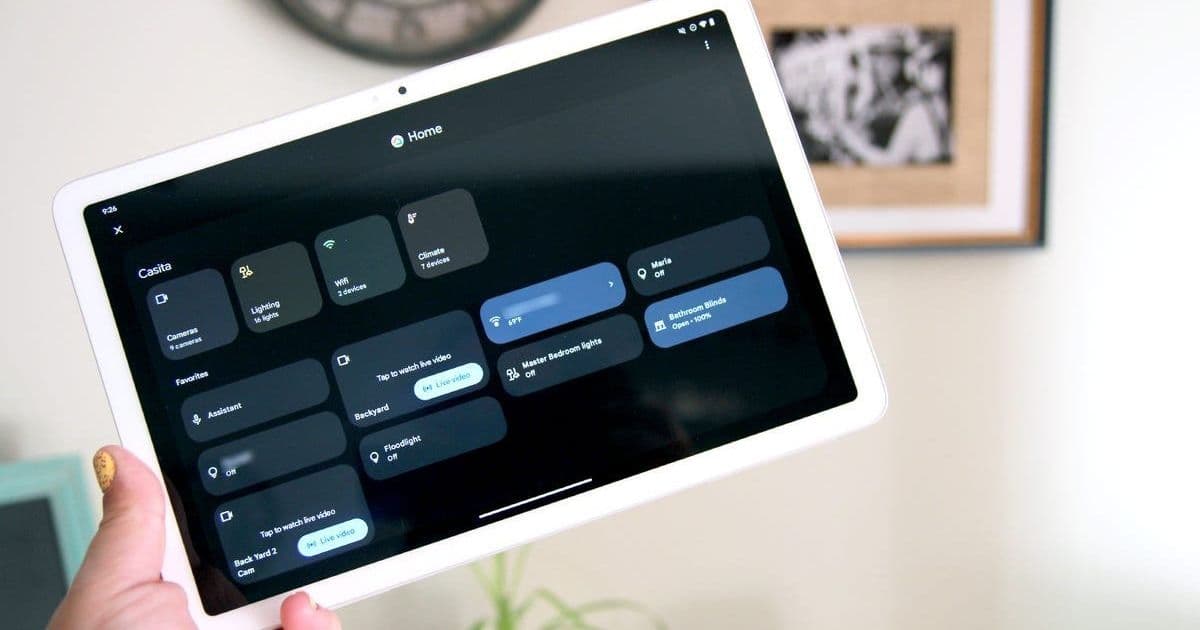
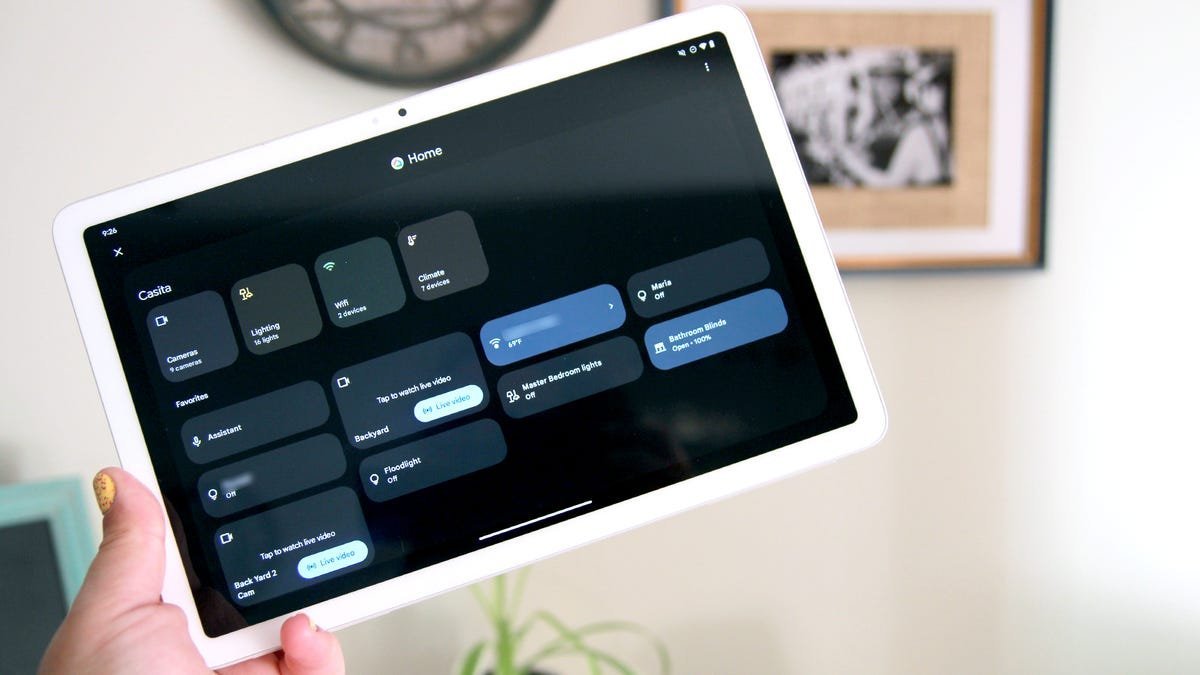
- Google Pixel Tablet: Unique Charging Speaker Dock transforms it into a Nest Hub, though keyboard/stylus gaps remain.
The Developer & Professional Angle
Tablets aren't just consumption devices anymore. Consider these implications:
1. *App Optimization*: Android's fragmented tablet app landscape persists. Pixel Tablet's adaptive scaling helps, but developers must prioritize large-screen UX.
2. *AI Workloads*: M4 iPads and Snapdragon Elite devices handle on-device ML tasks—ideal for prototyping AI features.
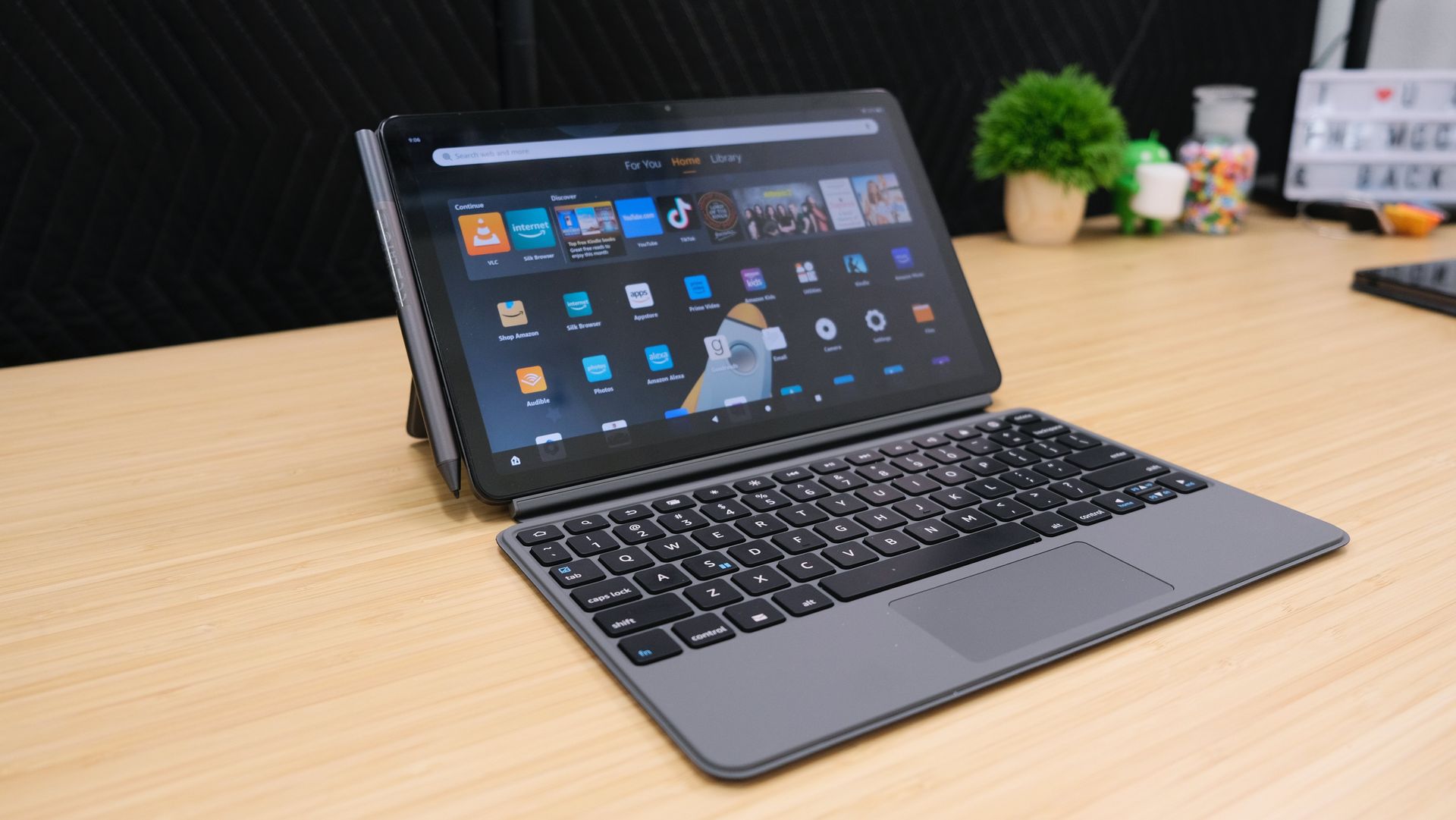
3. *Accessory Ecosystems*: Magic Keyboard's function row and Surface Slim Pen demonstrate how peripherals define professional utility.
The Verdict
While no tablet fully replaces a coding workstation, the iPad Pro and Surface Pro 11 now handle demanding creative and development tools. For teams embracing hybrid work, these devices reduce hardware sprawl—but only if your workflow aligns with iOS or Android’s constraints. As Diaz summarizes: "Tablets have become compromise-free only for specific use cases; choose based on your non-negotiables."
Source: ZDNET hands-on testing and reviews (July 2025)
Comments
Please log in or register to join the discussion