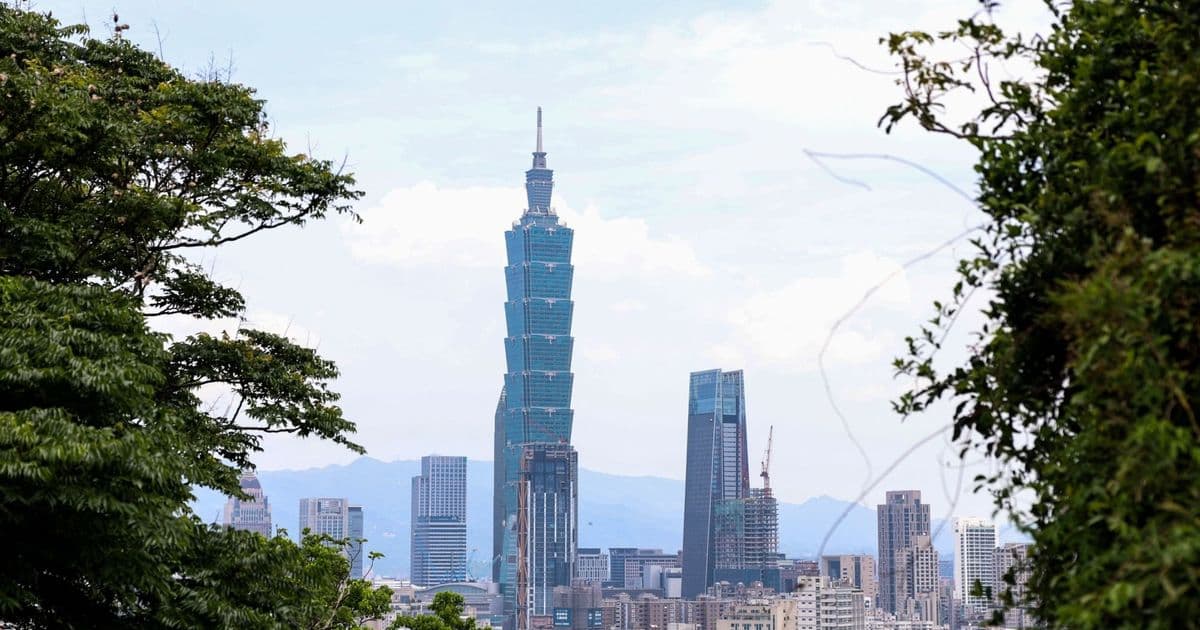
Taiwan’s Keelung prosecutors executed search warrants at 12 sites, arresting three suspects accused of forging documents to ship roughly 50 Supermicro AI servers containing Nvidia GPUs to China, Hong Kong and Macau. The bust, tied to the same supply‑chain vulnerabilities that underpinned the U.S. DOJ’s $2.5 billion Supermicro indictment, marks the first formal use of Taiwan’s fraud statutes to police AI‑chip exports and signals a tightening of enforcement across key transit hubs.
Announcement
Taiwan’s Keelung District Prosecutors announced on Wednesday that they had executed search warrants at 12 locations across the island, detaining three individuals accused of forging export documents to ship about 50 AI servers built by Super Micro Computer Inc. (Supermicro) into China, Hong Kong and Macau. The operation represents the first formal Taiwanese crackdown on illicit AI‑chip exports and directly targets the same supply‑chain weakness that the U.S. Department of Justice highlighted in its $2.5 billion Supermicro smuggling indictment.
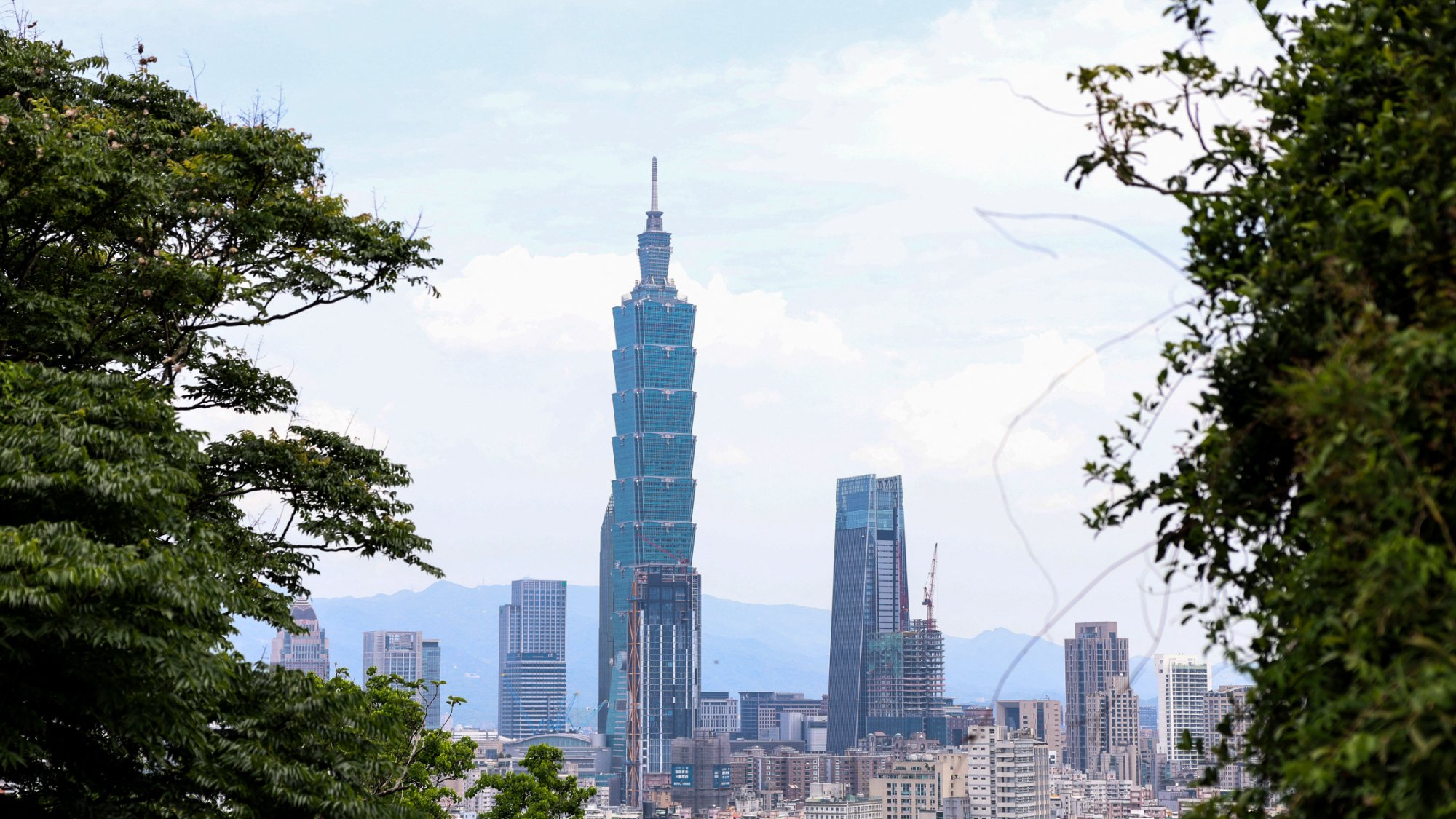
Technical specs and supply‑chain mechanics
The hardware in question
- Supermicro server chassis – standard 2U and 4U rack units used for high‑density AI workloads.
- Nvidia GPUs – primarily Hopper (H100) and early Blackwell (B200) silicon, both classified under the U.S. Export Administration Regulations (EAR) as Category 5 Part 2 items requiring a license for re‑export to China.
- Peripheral components – high‑speed NVMe SSDs, Mellanox ConnectX‑7 adapters, and dual‑rail 200 Gbps Ethernet, all of which are not individually restricted but become controlled when bundled with a restricted GPU.
How the smuggling scheme operated
- Front‑company routing – The indictment alleges that a network of shell firms in Thailand received the finished servers from Supermicro’s U.S. factories.
- Document forgery – Export paperwork was altered to list the GPUs as “non‑restricted graphics accelerators” and to misstate the final destination as a Hong Kong‑based data‑center integrator.
- Transit through Taiwan – The servers were consolidated at a logistics hub in Keelung, then loaded onto cargo ships bound for mainland ports. Taiwanese customs historically relied on the paperwork provided, creating a blind spot for these high‑value items.
- Final delivery – Once in China, the servers were sold to AI start‑ups and cloud providers that could not obtain a legal license for Hopper/Blackwell GPUs.
Why the numbers matter
- 50 servers × 8 GPUs per server ≈ 400 restricted GPUs.
- At an average $35,000 per H100 unit, the illicit hardware value exceeds $14 million – a fraction of the $2.5 billion ring but large enough to attract law‑enforcement attention.
- The data‑center revenue for Nvidia’s Data Center division was $75.2 billion in FY2027 Q1, representing 92 % of its total revenue. Even a few hundred GPUs can shift the competitive balance for a mid‑size Chinese AI firm.
Market implications
Immediate impact on the supply chain
- Export‑control compliance – Taiwanese firms now face the prospect of criminal charges under local fraud statutes, raising the compliance cost for any company handling EAR‑restricted items.
- Logistics re‑routing – Companies that previously used Keelung as a trans‑shipment hub are likely to shift to Singapore or South Korea, where customs scrutiny has already intensified after the U.S. DOJ’s actions.
- Pricing pressure – With fewer illicit channels, the secondary‑market premium on restricted Nvidia GPUs is expected to narrow. Current listings on gray‑market forums show a 30‑40 % markup over MSRP; a crackdown could push that premium down to 15‑20 %.
Longer‑term strategic shifts
- Decoupling from China – Nvidia’s FY2027 guidance explicitly assumes zero data‑center revenue from China. The Taiwanese bust reinforces that assumption, reducing the risk of a sudden supply shock that could have forced Nvidia to renegotiate licensing terms.
- Supply‑chain diversification – U.S. chipmakers are accelerating moves to on‑shore or allied‑nation fabs (e.g., TSMC’s new 2 nm line in Arizona, Intel’s Fab 34 in Ohio). The crackdown adds another incentive to locate critical AI‑chip assembly outside of any jurisdiction that could be exploited for re‑export.
- Policy alignment – President Lai Ching‑te’s administration is now visibly aligning with Washington’s export‑control agenda. Expect tighter inter‑agency coordination between Taiwan’s Ministry of Economic Affairs, customs, and the Bureau of Foreign Trade.
Outlook for AI hardware markets
- Short‑term – Expect a 5‑10 % dip in shipments of high‑end AI servers to the Greater China region as compliance checks tighten.
- Mid‑term – Companies that can demonstrate end‑to‑end traceability (e.g., using blockchain‑based shipment logs) will gain a competitive edge in winning contracts with multinational cloud providers.
- Long‑term – As legal channels dominate, the price‑performance gap between U.S.‑origin GPUs and any emerging Chinese alternatives will widen, potentially accelerating China’s own domestic GPU roadmap (e.g., the “Mengzi” series).
Conclusion
The Taiwanese raids are a clear signal that enforcement of AI‑chip export controls is moving from a purely U.S.‑centric effort to a multi‑nation network. By targeting document forgery and fraud, Taiwan is closing a loophole that smugglers have exploited for years. For the broader market, the immediate effect will be tighter supply, modest price adjustments, and a push for more transparent logistics. For Nvidia and its ecosystem, the crackdown dovetails with a strategic shift away from the Chinese data‑center market, reinforcing the company’s FY2027 guidance and reshaping the global AI‑hardware supply chain.
Further reading
- U.S. Department of Justice press release on the Supermicro indictment
- Nvidia FY2027 Q1 earnings release and data‑center guidance
- Analysis of export‑control regimes – Bureau of Industry and Security guidance on Category 5 Part 2 items
Comments
Please log in or register to join the discussion