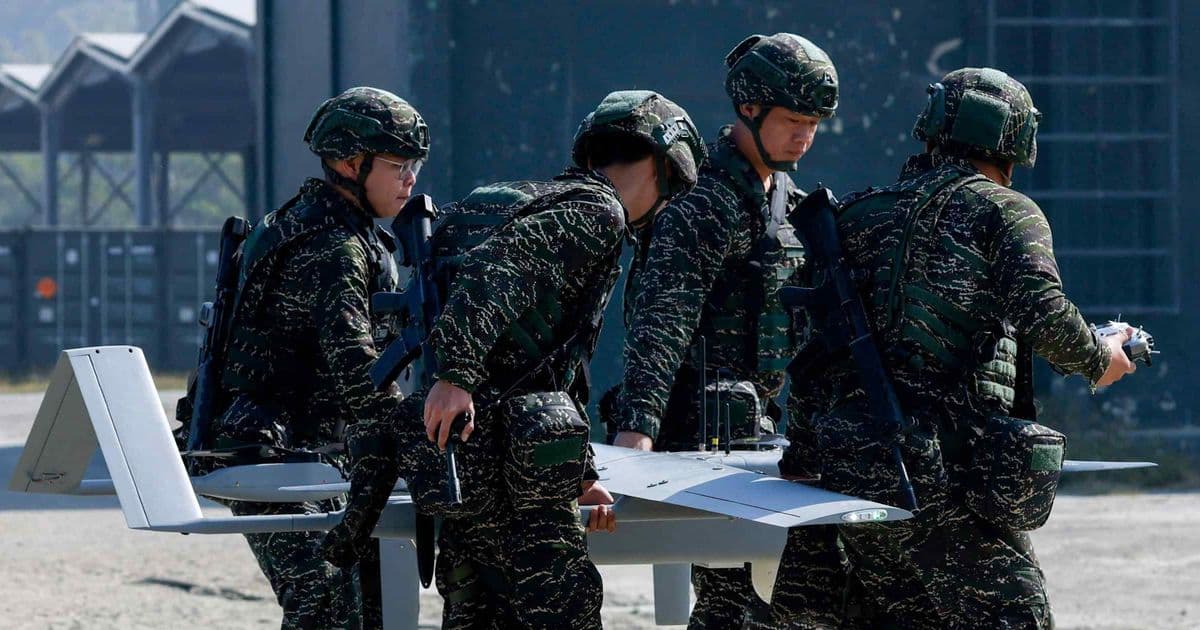
Taiwan's opposition legislature slashed President Lai Ching-te's defense funding by 38% days before a potential Trump-Xi summit, defying US concerns about regional security amid rising tensions with China.
TAIPEI -- Taiwan's opposition-led legislature on Friday voted to cut President Lai Ching-te's proposed defense funding by more than a third, a move that drew immediate scrutiny in Washington days before an expected summit between U.S. and Chinese leaders.
The budget reduction of approximately 38% represents a significant reduction from the $40 billion defense proposal that President Lai unveiled earlier this year. The decision, led by the Kuomintang (KMT) party, comes at a critical juncture in regional security dynamics as Taiwan faces increasing pressure from Beijing.
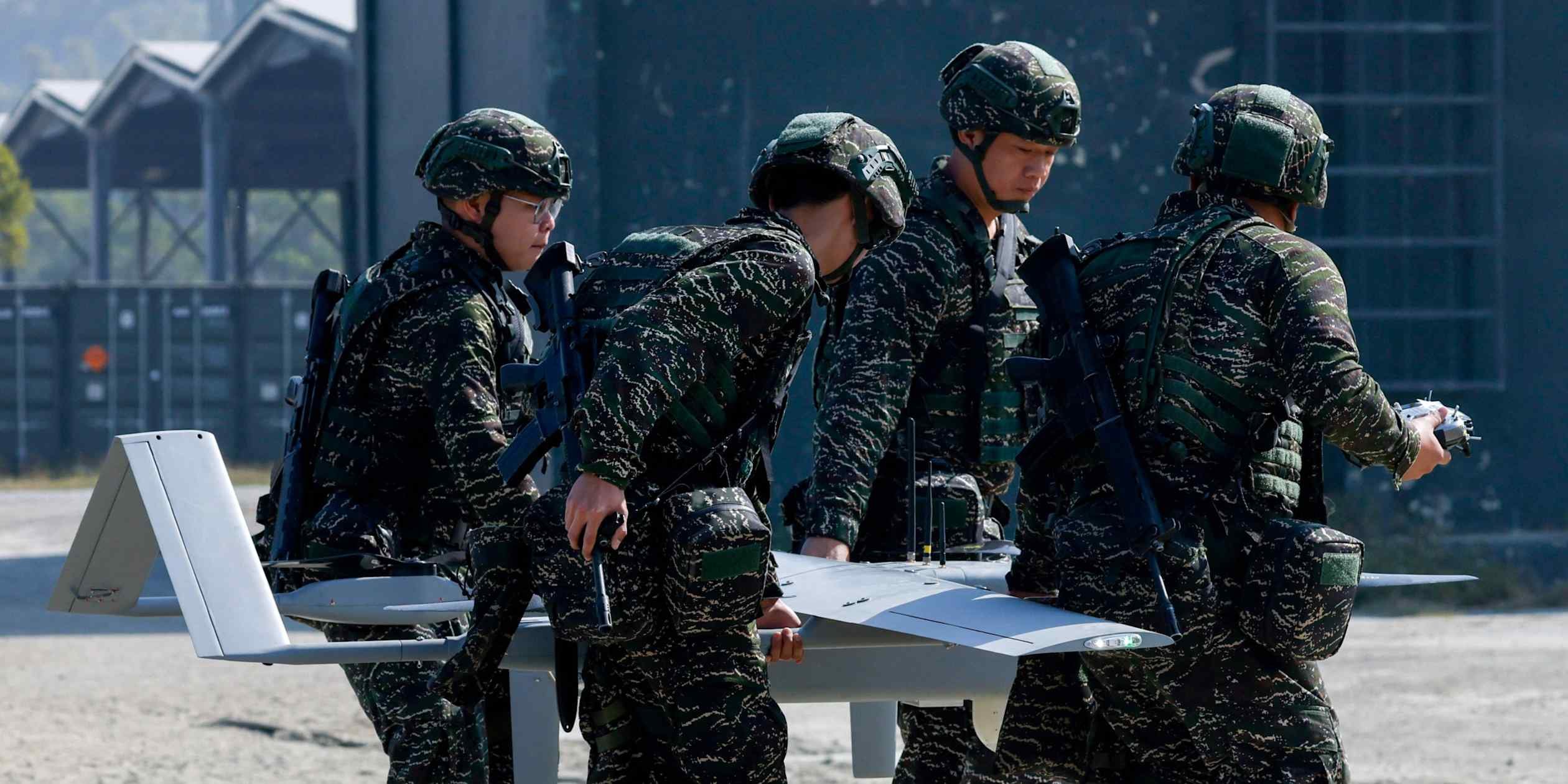
The timing of this vote raises strategic questions about Taiwan's defense preparedness. The cut occurs amid heightened regional tensions, particularly following the Hormuz crisis that delivered a wake-up call regarding Taiwan Strait vulnerabilities. Military analysts note that Taiwan's defense capabilities have been tested through conflicts in Ukraine and Iran, where drone technologies proved vital despite initial budgetary constraints.
"This reduction could impact Taiwan's ability to maintain its current defense modernization timeline," said Michael Clarke, a senior fellow at the East Asia Policy Institute. "The original budget allocation was already modest compared to regional peers, and this cut may force difficult decisions about procurement priorities."
The U.S. government has expressed concern about the budget reduction, viewing Taiwan's defense capabilities as integral to regional stability. Washington has been increasing military support to Taiwan, including recent arms sales and training programs aimed at enhancing asymmetric defense capabilities.
The KMT's position reflects a different strategic calculus. Party leader Cheng Wen-chen has publicly advocated for dialogue with Beijing, suggesting that reduced defense spending could signal a more conciliatory approach. This stance has created a complex dynamic as Taiwan navigates its relationship with both China and the United States.
Market analysts suggest that the budget cut could impact Taiwan's defense technology sector, which includes several companies specializing in drone development and cybersecurity. The original $40 billion budget was expected to boost procurement of advanced military technologies, including indigenous drone systems and naval upgrades.
The vote comes amid broader geopolitical shifts. An expected summit between U.S. President Trump and Chinese President Xi Jinping in Beijing could reshape regional security frameworks. Taiwan's defense posture likely will be a key topic in these discussions, making the legislature's decision particularly significant.
"This budget decision sends mixed signals to regional partners," noted Jane Lee, a defense analyst at the Pacific Forum. "While Taiwan maintains its commitment to self-defense, the reduced spending could raise questions about the consistency of its strategic priorities."
Taiwan's military modernization efforts have focused on asymmetric capabilities designed to counter potential blockades and amphibious assaults. The budget cut may force reevaluation of these plans, potentially delaying key programs such as the indigenous submarine project and advanced missile defense systems.
The international community continues to monitor Taiwan's defense spending as an indicator of its commitment to maintaining sovereignty. The U.S. Congress has consistently supported Taiwan's right to self-defense, with bipartisan backing for increased security cooperation.
As Taiwan's political landscape continues to evolve, the relationship between domestic politics and defense strategy remains a critical factor in regional security calculations. The opposition's budget decision underscores the complex balancing act Taiwan must perform between maintaining adequate defense capabilities and managing cross-strait relations.
Comments
Please log in or register to join the discussion