The US government is launching a new online portal on Monday for businesses to claim tariff refunds, marking a significant shift in trade policy implementation and potentially impacting thousands of companies that have been affected by recent tariff changes.
The US government is set to launch a new online portal on Monday that will allow businesses to claim refunds for tariffs paid on imported goods, marking a significant shift in how trade policy is implemented and enforced.
Background on Recent Tariff Changes
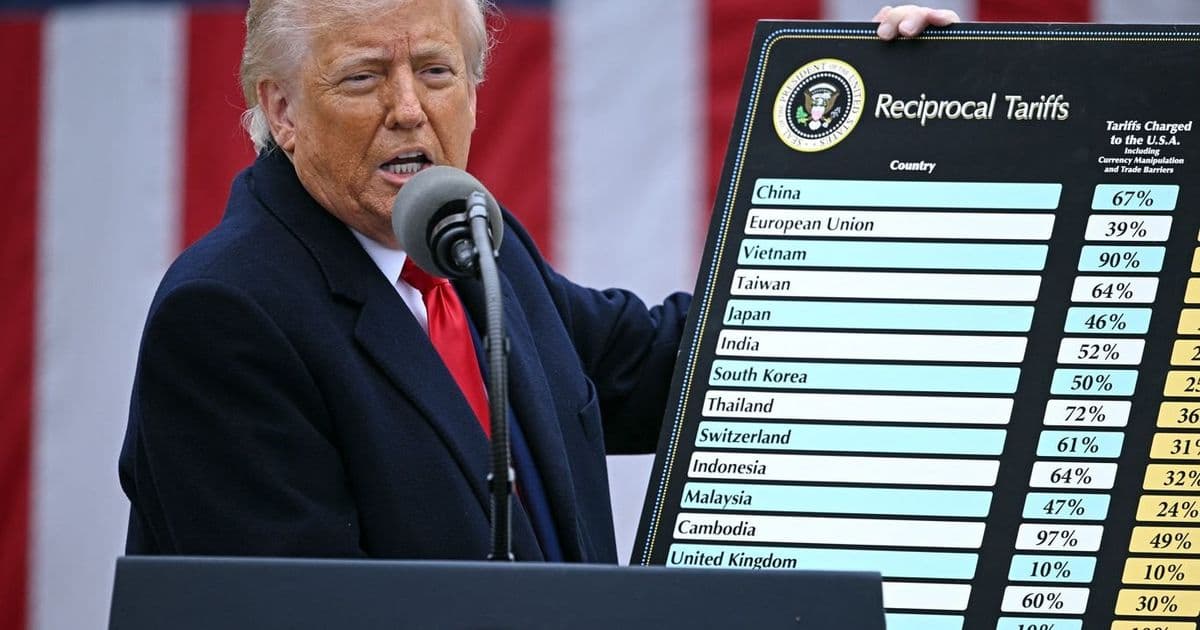
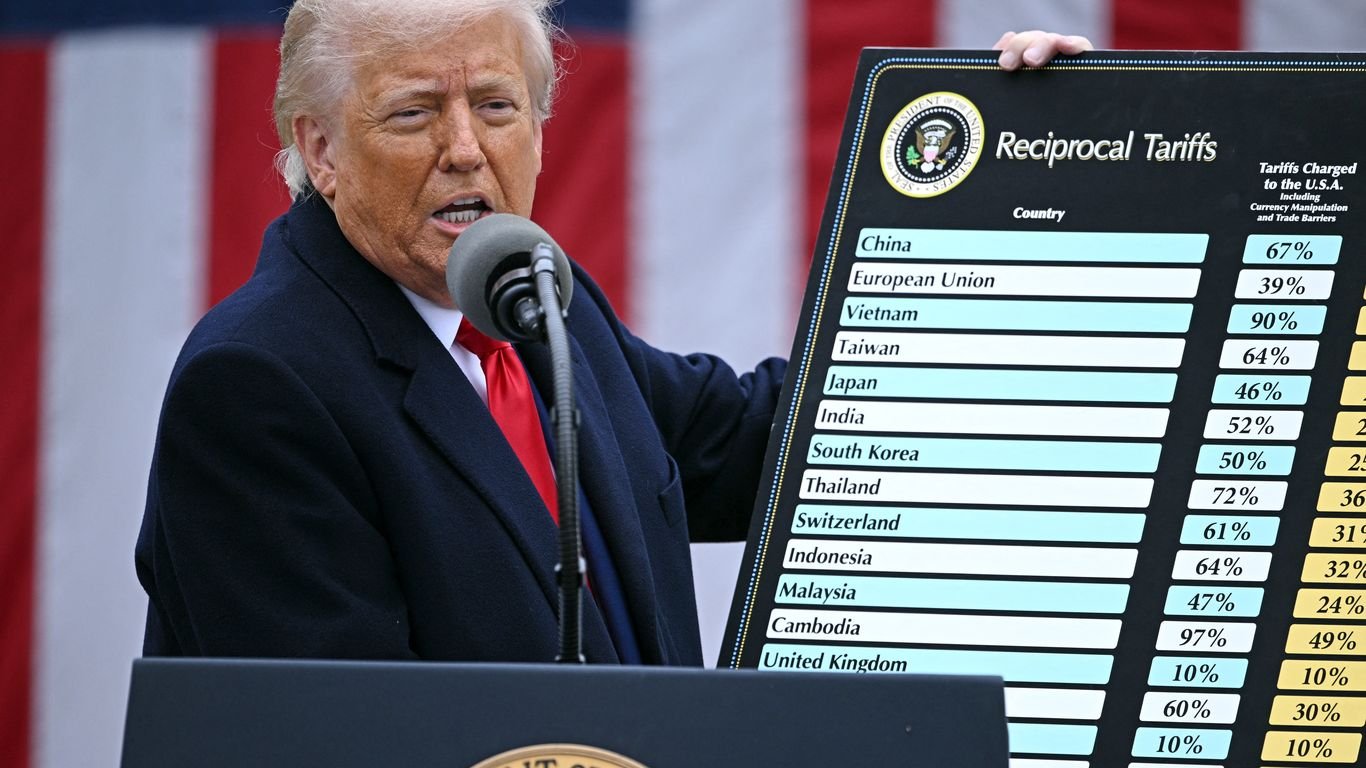
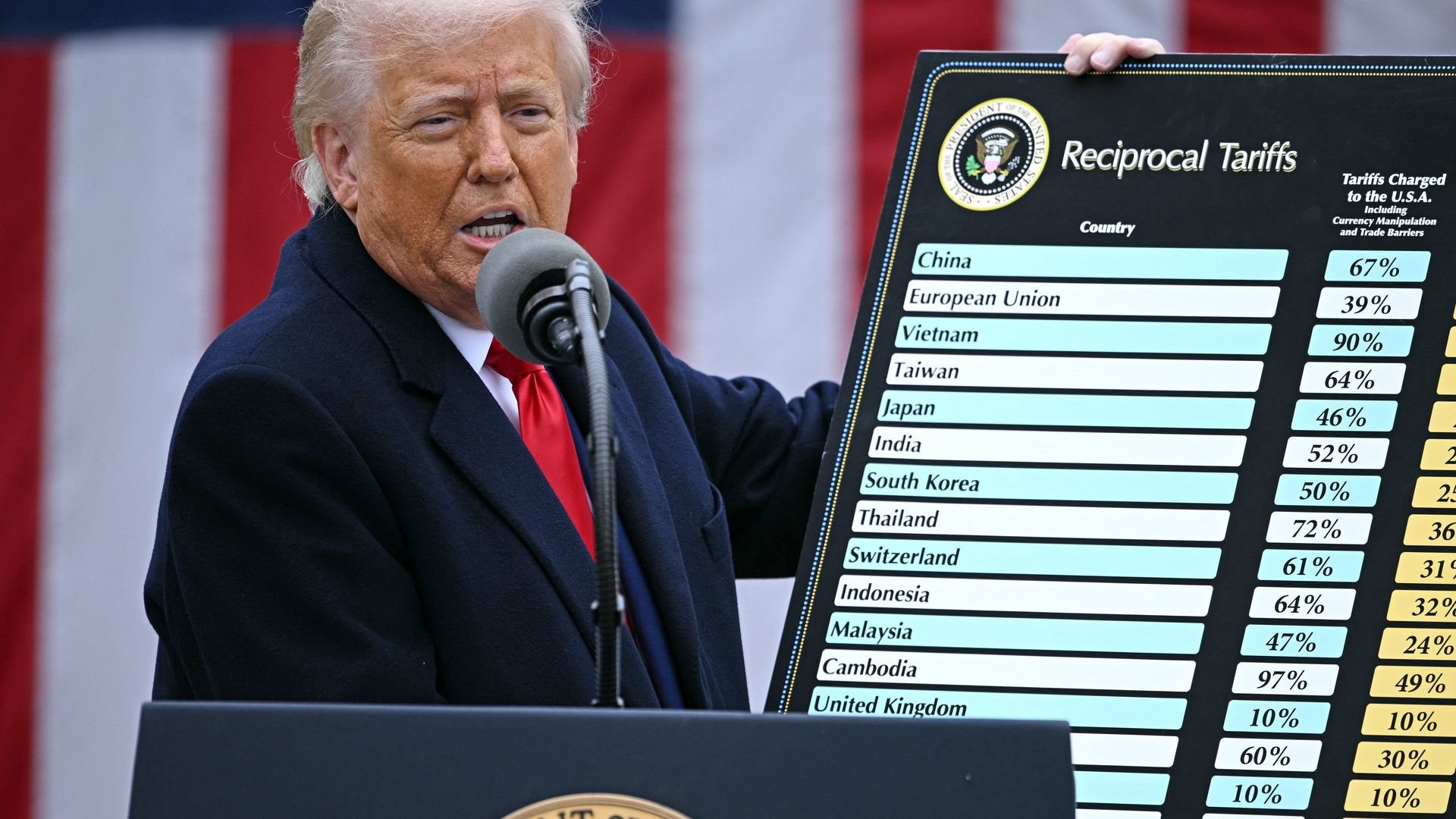
The portal comes amid a period of substantial tariff adjustments under the current administration. Recent policy changes have seen tariffs fluctuate dramatically, with some rates reaching as high as 145% on certain Chinese goods, while other countries have seen rates as low as 10%.
These changes have created considerable uncertainty for businesses engaged in international trade, forcing many to reassess their supply chains and pricing strategies.
Portal Features and Requirements
The new online system will enable businesses to:
- Submit refund claims for tariffs paid on eligible imports
- Track the status of their refund requests
- Upload supporting documentation electronically
- Access historical tariff payment records
The portal is expected to streamline what has traditionally been a paper-intensive process, potentially reducing processing times from months to weeks.
Impact on Different Business Sectors
Small and medium-sized enterprises (SMEs) are likely to benefit most from the new system, as they often lack the resources to navigate complex tariff refund procedures. The online portal should make it easier for these businesses to recover funds that can be critical to their cash flow.
Larger corporations with dedicated trade compliance teams will also benefit from the centralized system, though they may already have established processes for managing tariff refunds.
Financial Implications
Industry analysts estimate that billions of dollars in tariff payments could be eligible for refunds through the new system. For context, the US collected approximately $80 billion in tariff revenue in 2023, with a significant portion potentially subject to refund under the new policies.
Businesses should prepare to provide detailed documentation, including:
- Commercial invoices
- Customs entry documentation
- Proof of payment
- Evidence of eligibility under the refund criteria
Timeline and Deadlines
The portal will officially launch on Monday, with a 90-day window for businesses to submit initial refund claims. After this period, the government may establish additional deadlines or modify the process based on initial uptake and feedback.
Strategic Considerations for Businesses
Companies should consider several strategic factors:
Inventory Assessment: Review current inventory to identify goods that may qualify for refunds
Documentation Preparation: Gather and organize all necessary paperwork before the portal launches
Cash Flow Planning: Factor potential refunds into short-term financial planning
Supply Chain Adjustments: Consider whether to adjust sourcing strategies based on the new tariff landscape
Expert Perspectives
Trade policy experts suggest that the portal represents a significant shift toward greater transparency and efficiency in trade administration. "This is a major step forward in making the tariff system more accessible to businesses of all sizes," noted one trade attorney familiar with the implementation.
However, some caution that the system may face initial challenges, including potential technical issues and a learning curve for both businesses and government staff.
Looking Ahead
The launch of the refund portal is just one element of broader trade policy changes that continue to evolve. Businesses engaged in international trade should stay informed about:
- Additional policy announcements that may affect eligibility
- Changes to documentation requirements
- Updates to processing timelines
- New categories of goods subject to tariffs or refunds
As the portal goes live Monday, businesses across the country will be watching closely to see how this new system impacts their operations and bottom lines. The success of this initiative could set a precedent for future trade policy implementation and administration.
Comments
Please log in or register to join the discussion