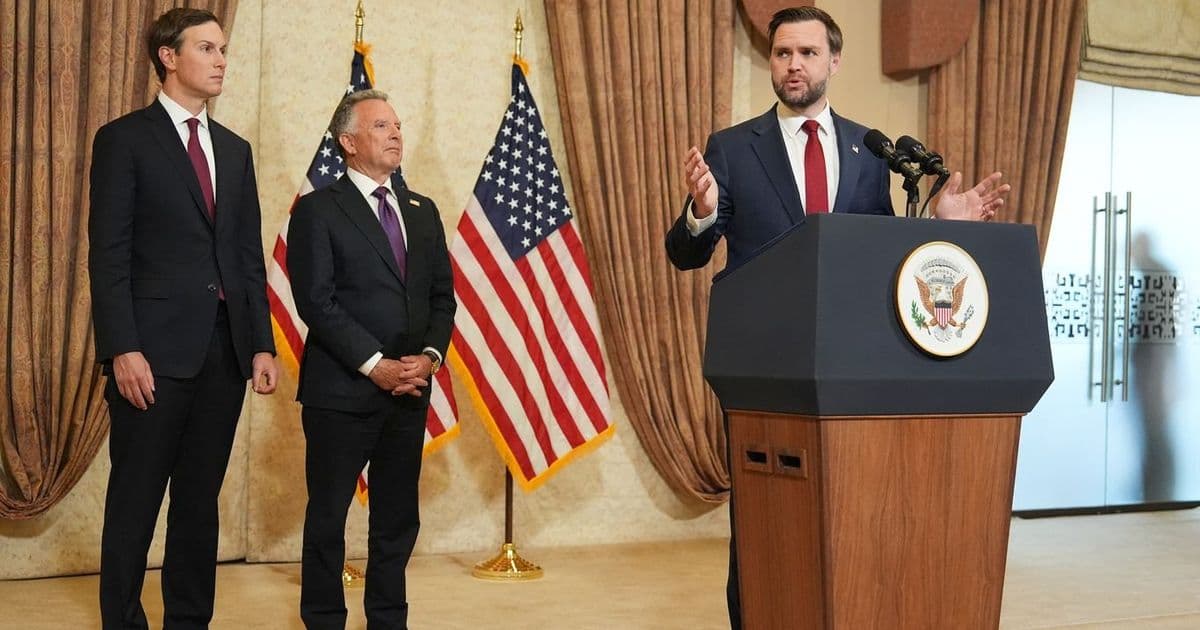
President Trump announces US negotiators will visit Pakistan, while Iran expresses concerns about potential diplomatic traps in ongoing Middle East negotiations.
President Trump announced plans to send US negotiators to Pakistan, marking a significant diplomatic initiative in South Asia as tensions continue to simmer in the broader Middle East. The move comes amid growing skepticism from Iran, which suspects the negotiations may be part of a strategic trap rather than genuine peace efforts.
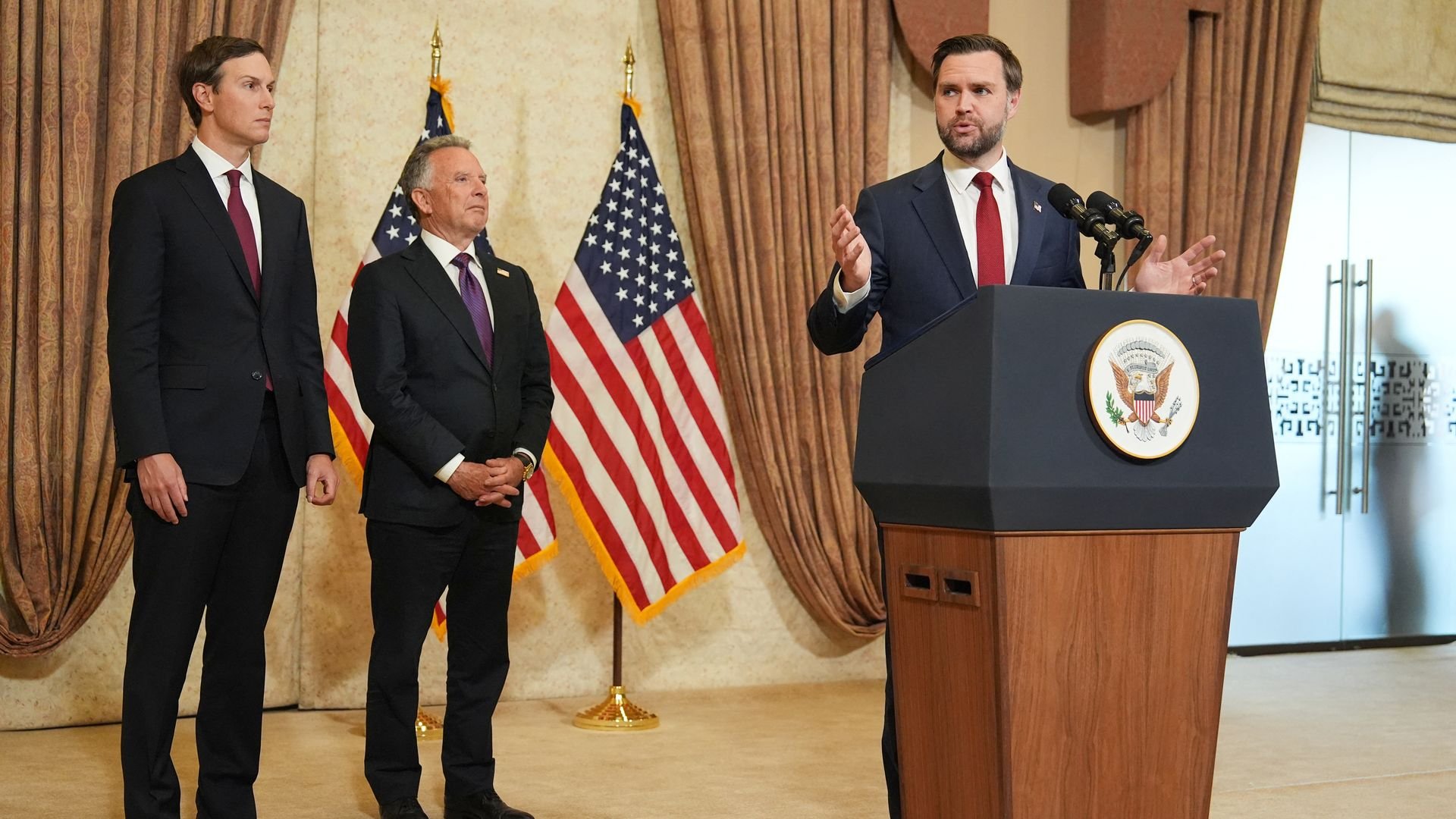
The diplomatic push involves key Trump administration figures including Vice President JD Vance, Middle East envoy Steve Witkoff, and senior advisor Jared Kushner, who recently conducted the first round of talks in Islamabad. Their presence signals the administration's high-level commitment to reshaping relationships in the region.
Iran's wariness stems from historical patterns of US diplomatic engagement in the region, where negotiations have often preceded increased pressure or military action. The Islamic Republic has called for concrete guarantees before engaging in substantive talks, particularly regarding sanctions relief and regional security arrangements.
Pakistan's role as a mediator between the US and Iran adds complexity to the situation. The South Asian nation maintains relationships with both countries and has previously facilitated backchannel communications during periods of heightened tension. Islamabad's strategic position and influence with Tehran make it a logical choice for hosting initial discussions.
The timing of these negotiations coincides with ongoing conflicts in Gaza and Yemen, as well as continued uncertainty about the future of the Iran nuclear deal. Regional powers are watching closely to see whether this represents a genuine shift toward diplomacy or another tactical maneuver in the long-running geopolitical chess match of the Middle East.
Economic factors also play a crucial role, with energy markets particularly sensitive to any developments that could affect oil supply routes through the Strait of Hormuz. The potential for sanctions relief or escalation directly impacts global energy prices and economic stability.
Security experts note that successful negotiations would require addressing multiple interconnected issues: Iran's ballistic missile program, its support for regional proxy groups, the status of American citizens detained in Iran, and the broader question of regional security architecture.
The Trump administration's approach appears to combine traditional diplomatic channels with economic pressure, maintaining sanctions while offering the possibility of relief through negotiations. This dual-track strategy has yielded mixed results in the past, with critics arguing it creates an environment of mistrust that hinders genuine dialogue.
Regional allies, particularly Saudi Arabia and Israel, have expressed cautious support for renewed diplomatic efforts while maintaining their own security preparations. Both nations have historically preferred a hardline approach to Iran and remain skeptical of any agreements that don't address what they see as Tehran's destabilizing regional activities.
Pakistan's domestic political situation adds another layer of complexity. The country faces its own economic challenges and security concerns, making successful diplomacy with both the US and Iran particularly important for its strategic interests.
The international community remains divided on the prospects for meaningful progress. European powers that supported the original Iran nuclear deal have expressed hope that renewed negotiations could lead to a broader agreement addressing multiple security concerns.
As negotiators prepare for their visit to Pakistan, the coming weeks will be critical in determining whether this represents a genuine opportunity for de-escalation or another chapter in the cycle of confrontation and temporary diplomatic engagement that has characterized US-Iran relations for decades.
The stakes are particularly high given the potential for miscalculation in an already volatile region. Any breakdown in negotiations could lead to renewed tensions, while successful diplomacy could reshape the strategic landscape of the Middle East for years to come.
With both sides approaching the talks from positions of mutual suspicion, the challenge will be creating enough trust to engage in substantive discussions while maintaining the leverage each side believes necessary to protect its interests. The outcome of these negotiations could have far-reaching implications for regional stability, global energy markets, and the future of nuclear non-proliferation efforts.
Comments
Please log in or register to join the discussion