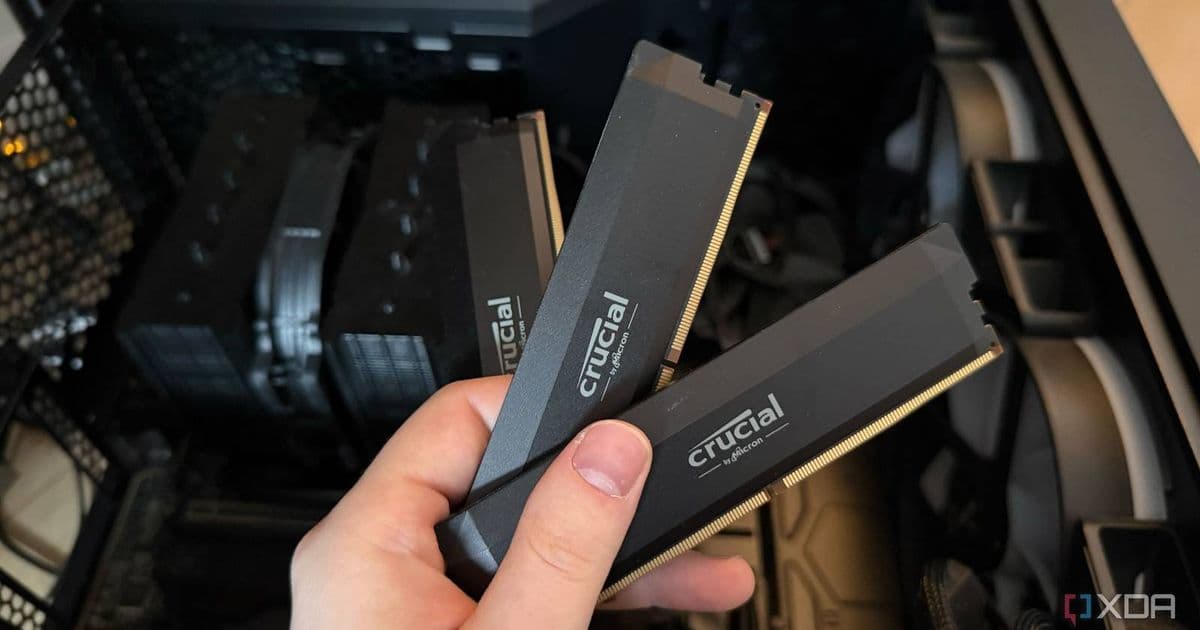
A new report reveals that the global RAM shortage will persist well into 2027, with Samsung's new production lines not reaching full capacity until 2028. The AI industry's explosive growth continues to outpace manufacturing capabilities.
The global RAM shortage that has plagued consumers and manufacturers alike shows no signs of resolution in the near future, according to a sobering new report from Nikkei Asia. The publication's analysis suggests that relief from skyrocketing memory prices may not arrive until 2027 at the earliest, with 2028 being a more realistic timeline for meaningful improvement in supply.
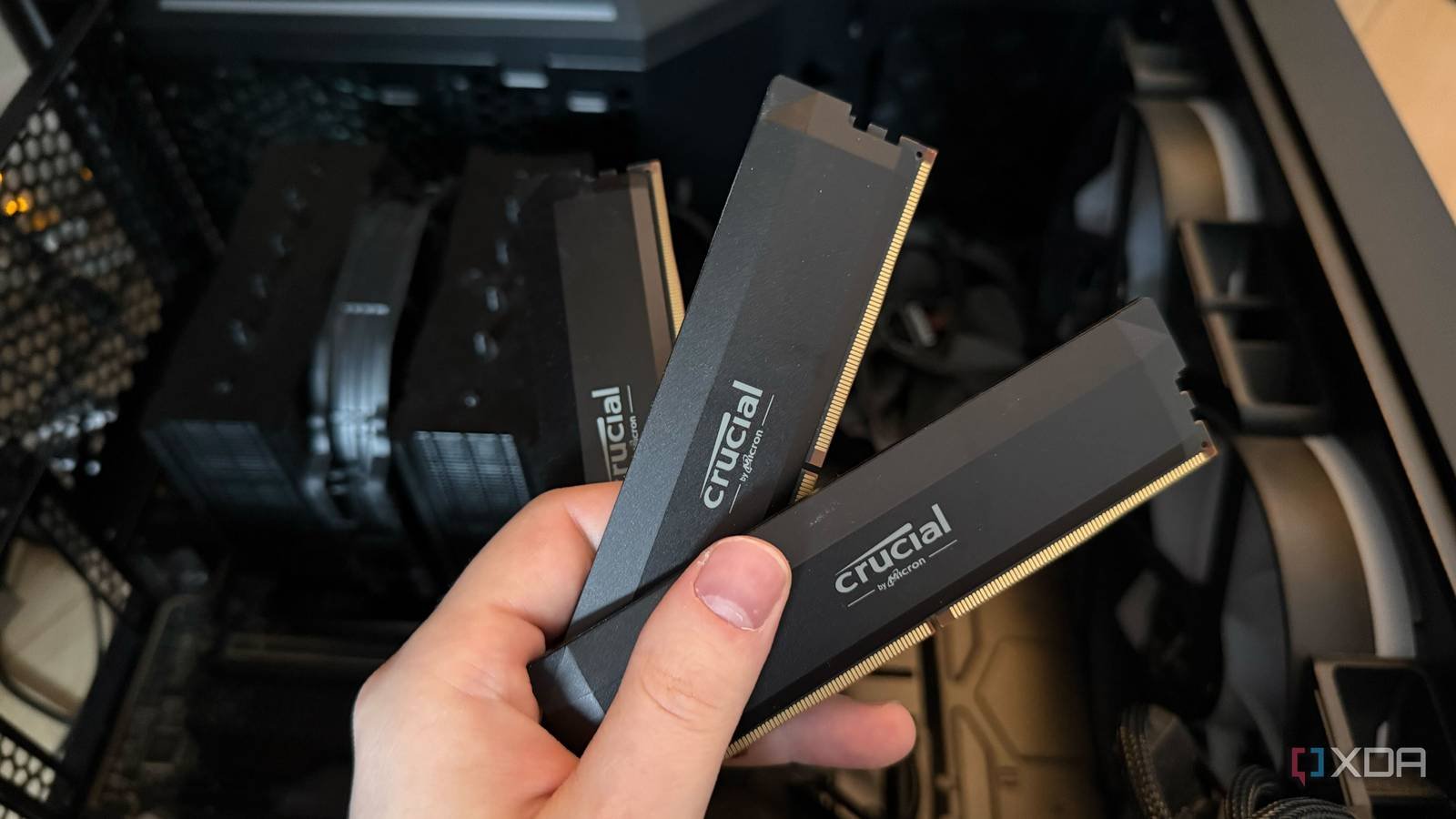
The Perfect Storm of Supply Constraints
The current crisis stems from multiple converging factors that have created what industry analysts describe as a "perfect storm" for memory chip availability. At the heart of the problem lies the explosive growth of artificial intelligence applications, which require massive amounts of high-performance memory to function effectively.
AI model training, inference workloads, and the infrastructure supporting machine learning operations have created unprecedented demand for DDR5 and other advanced memory technologies. Data centers, cloud providers, and AI hardware manufacturers are competing fiercely for available supply, often outbidding traditional PC and consumer electronics manufacturers.
Samsung's Production Timeline Offers Little Immediate Relief
Samsung Electronics, the world's largest memory chip manufacturer, has announced plans to bring its fourth fabrication plant at the Pyeongtaek campus in South Korea online in 2026. However, the timeline for actual market impact extends far beyond this initial milestone.
According to Nikkei Asia's sources, "full-scale mass production will not begin until 2027 or later." This delay is compounded by the facility's dual-purpose design, which will produce both memory chips and logic chips for computing applications. The split focus means that even when production begins, the facility's capacity to increase memory output will be limited.
The AI Industry's Relentless Appetite
The artificial intelligence sector shows zero signs of slowing its memory consumption. Major tech companies are investing billions in AI infrastructure, with each new model requiring exponentially more memory than its predecessors. Training large language models, running complex simulations, and powering AI-driven applications all demand high-bandwidth, high-capacity memory solutions.
This sustained demand creates a challenging environment for manufacturers attempting to balance production capacity with market needs. The lead times for building new fabrication facilities, combined with the complexity of modern semiconductor manufacturing, mean that supply cannot quickly respond to demand fluctuations.
Impact on Consumers and Manufacturers
The shortage has already manifested in several ways that affect both end-users and the broader technology ecosystem. RAM prices have increased significantly, with some reports indicating that Samsung has doubled its DDR5 RAM prices due to stock shortages.
Smaller PC manufacturers are particularly vulnerable to these supply constraints. Recent reports indicate that memory suppliers are playing favorites with RAM allocation, with only four major PC makers receiving priority access to available stock. This strategy is squeezing smaller manufacturers and potentially limiting consumer choice in the market.
The Manufacturing Challenge
Building new semiconductor fabrication facilities is an extraordinarily complex and time-consuming process. Beyond the construction timeline, manufacturers must secure specialized equipment, train workforce personnel, and establish reliable supply chains for raw materials and components.
The Pyeongtaek facility's dual-purpose design reflects the broader industry trend of trying to maximize the utility of expensive manufacturing infrastructure. However, this approach also means that memory production capacity gains may be slower than if the facility were dedicated solely to RAM manufacturing.
Looking Ahead: 2027 and Beyond
Industry experts suggest that 2027 represents the earliest point at which supply might begin to catch up with demand, but even this timeline is optimistic. The complexity of semiconductor manufacturing, combined with the sustained growth of AI applications, suggests that 2028 may be a more realistic target for meaningful price relief and improved availability.
For consumers and businesses currently facing high prices and limited availability, the outlook remains challenging. The combination of strong demand from the AI sector, limited manufacturing capacity, and the time required to bring new production facilities online creates a situation where patience will be essential.
Strategic Implications
The ongoing shortage has strategic implications for the entire technology industry. Companies are being forced to make difficult decisions about resource allocation, product development timelines, and pricing strategies. Some manufacturers may delay product launches or limit configurations to manage component costs.
Additionally, the shortage highlights the critical importance of semiconductor supply chain resilience. The concentration of manufacturing capacity in specific regions, combined with the long lead times for capacity expansion, creates vulnerabilities that the industry will need to address in the coming years.
Conclusion
The RAM shortage crisis represents a significant challenge for the technology industry, with no quick solutions on the horizon. While manufacturers like Samsung are taking steps to increase production capacity, the timeline for meaningful relief extends well into 2027 and potentially beyond.
For consumers, businesses, and manufacturers alike, the message is clear: the memory shortage will continue to impact pricing and availability for the foreseeable future. Strategic planning, careful resource management, and realistic expectations will be essential as the industry navigates this challenging period.
The situation serves as a reminder of the complex interdependencies within the technology ecosystem and the challenges of scaling critical infrastructure to meet rapidly evolving demands. As AI continues to transform the technological landscape, the memory industry's ability to keep pace will remain a crucial factor in the sector's overall health and growth.
Comments
Please log in or register to join the discussion