The Trump administration has taken an Iranian-flagged ship into custody, marking a significant escalation in maritime tensions between the two nations.
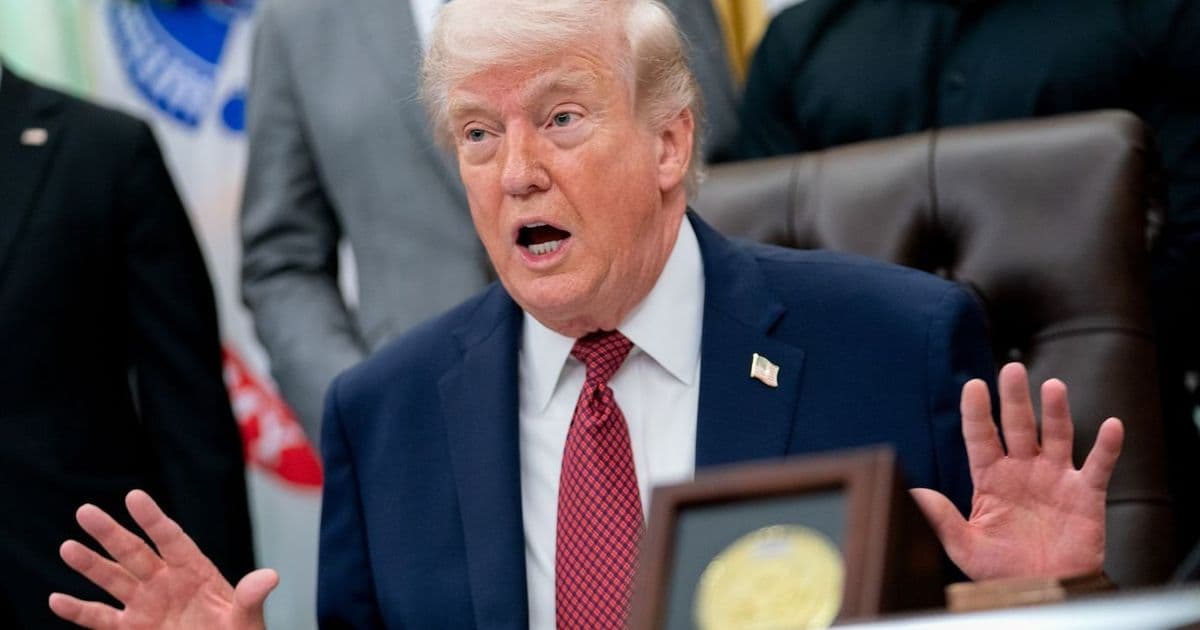
The United States has taken an Iranian-flagged vessel into custody, President Donald Trump announced Saturday, marking a significant development in the ongoing maritime tensions between the two nations.
The Incident
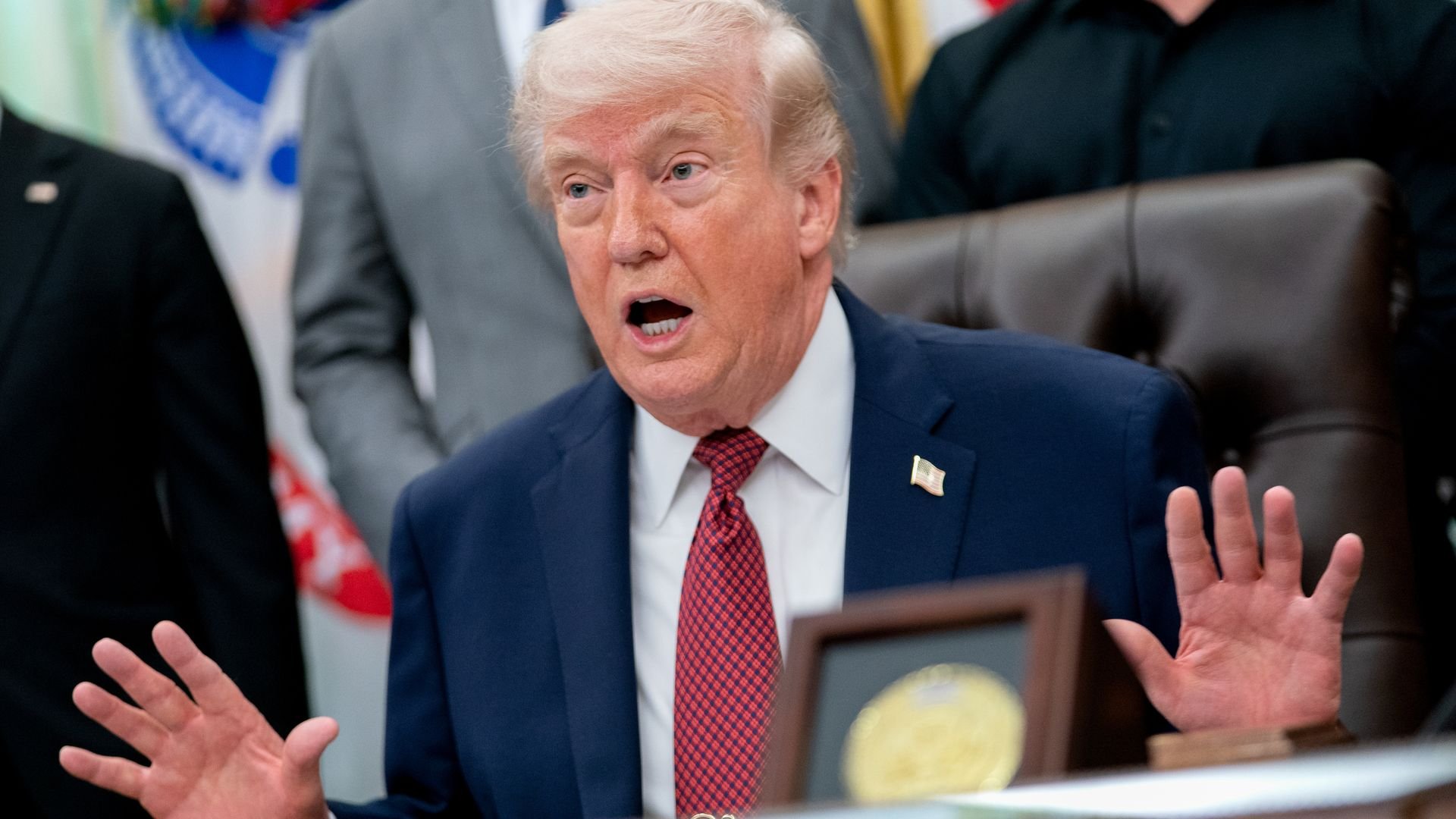
Speaking from the White House, President Trump confirmed that U.S. forces had seized an Iranian vessel, though specific details about the ship's location, cargo, or the circumstances of its interception were not immediately disclosed. The announcement comes amid heightened tensions in the Persian Gulf region, where commercial shipping has faced increased risks in recent years.
Strategic Implications
Maritime security experts note that such seizures are relatively rare and typically indicate either intelligence about illicit cargo or a strategic message being sent. The timing of this action is particularly noteworthy given the complex negotiations surrounding Iran's nuclear program and regional influence.
The seizure follows a pattern of escalating maritime confrontations in the region. In 2019, the U.S. accused Iran of attacking oil tankers in the Gulf of Oman, while Iran has previously seized foreign vessels it claimed were violating its territorial waters.
Economic Context
International shipping through the Strait of Hormuz, a critical chokepoint for global oil supplies, has been a flashpoint for conflict. Approximately 20% of the world's oil passes through these waters, making any disruption a matter of global economic concern.
Maritime insurance rates in the region have fluctuated significantly based on perceived risk levels, with premiums spiking during periods of heightened tension. The seizure of an Iranian-flagged vessel could potentially impact these rates and influence shipping routes.
Regional Response
Iran has not yet issued an official response to the seizure. However, Iranian state media has historically characterized such actions as "piracy" when foreign powers intercept Iranian vessels. The lack of immediate response may indicate internal deliberations about how to respond without further escalating tensions.
Regional allies of the United States, particularly those in the Gulf Cooperation Council, have generally supported freedom of navigation operations in these waters, viewing them as essential for maintaining open shipping lanes.
What Happens Next
The vessel's crew status remains unclear, as does the ultimate disposition of the ship and any cargo it may be carrying. International maritime law provides frameworks for such seizures, but the political dimensions often complicate legal proceedings.
This development is likely to factor into ongoing diplomatic discussions about Iran's regional activities and nuclear ambitions. The seizure could be interpreted as leverage in broader negotiations or as a signal of U.S. resolve regarding maritime security in the region.
The incident underscores the fragile nature of maritime security in the Persian Gulf and the potential for seemingly isolated events to impact broader geopolitical dynamics. As more details emerge about the circumstances of this seizure, its full significance within the context of U.S.-Iran relations will become clearer.
Comments
Please log in or register to join the discussion