
Over 450 tech workers from Google, Meta, OpenAI, and Amazon have signed an open letter demanding their CEOs cancel any contracts with ICE and speak out against the agency following two fatal shootings by federal officers. The letter, organized through iceout.tech, represents growing internal pressure on Silicon Valley leadership to take moral stances on government partnerships.
The letter arrives after federal officers killed Alex Pretti and another individual in separate incidents, though the tech workers' demands extend beyond recent events to encompass ongoing concerns about surveillance technology and data contracts.
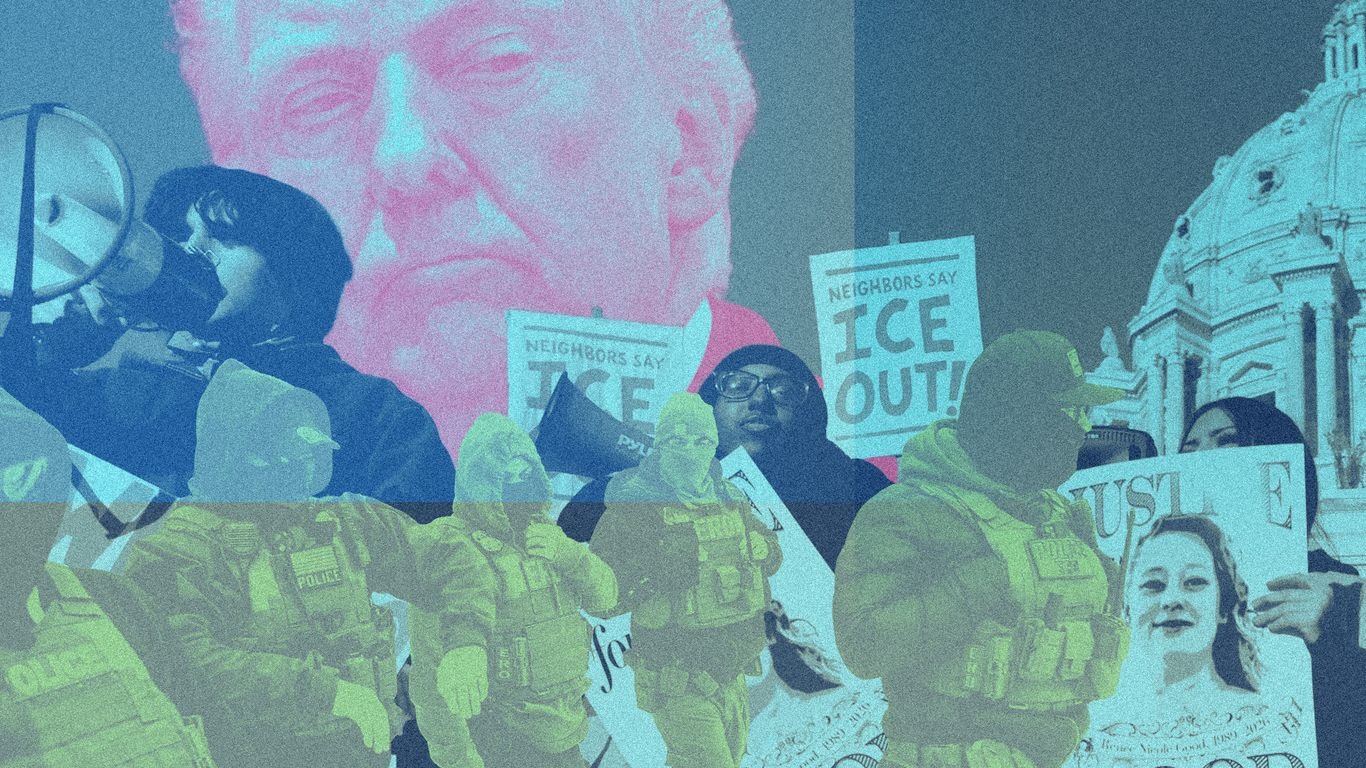
Community Pressure Points
The signatories represent a cross-section of technical and non-technical staff across major platforms. Their demands center on two immediate actions: terminating existing ICE contracts and public statements condemning the agency's actions. This follows a pattern of worker activism that previously forced companies like Google to end Project Maven (Pentagon AI contracts) and Microsoft to reconsider ICE partnerships during the 2018 family separation controversy.
What makes this moment different is the coordination across multiple companies simultaneously. Previous worker actions targeted single employers; this letter creates a unified front that makes it harder for individual CEOs to dismiss as isolated internal dissent.
The Contract Reality
Most major tech companies maintain some level of government contracting. Amazon Web Services provides cloud infrastructure to numerous federal agencies. Google and Microsoft offer AI and productivity tools. OpenAI's enterprise services could theoretically support government operations. The challenge for workers is that these contracts are often buried in complex procurement structures, making direct attribution difficult.
Companies typically defend these relationships through a "principled partnership" framework—arguing that engagement allows them to influence outcomes positively. However, workers argue this logic fails when agencies repeatedly face allegations of civil rights violations without internal policy changes.
CEO Silence as Strategy
The letter's emphasis on public statements reflects a calculated approach. Private contract cancellations could happen quietly, but vocal condemnation would force companies into broader debates about their role in government surveillance and enforcement.
This silence likely stems from multiple pressures. Government contracts represent significant revenue streams. Public criticism could trigger regulatory retaliation. Shareholders often prefer neutrality on politically divisive issues. The current tech leadership generation also learned from the 2018-2019 controversies that taking sides—whether pro- or anti-government—inevitably alienates some stakeholder group.
Historical Context
This isn't the first time tech workers have organized around immigration enforcement. The 2018 "No Tech for ICE" movement succeeded in pressuring Microsoft to publicly oppose family separations, though the company maintained its ICE cloud contract. Google employees successfully pushed the company to end Project Maven, a Pentagon AI project, but similar pressure on ICE contracts has yielded less concrete results.
The difference now may be the severity of triggering events and the coordination across companies. When workers at multiple firms simultaneously demand action, it creates a collective action problem that individual CEOs cannot easily ignore.
Broader Implications
This movement intersects with ongoing debates about tech's role in society. Companies face pressure from multiple directions: employees demanding ethical stances, shareholders demanding profit maximization, governments demanding cooperation, and customers demanding service reliability.
The ICE contract issue also highlights the transparency problem in government procurement. Many tech workers only learn about these partnerships through leaks or investigative journalism, not internal communication. This information asymmetry fuels distrust and makes future worker actions more likely.
What Comes Next
The letter's success will likely depend on whether it can maintain momentum and expand beyond the initial 450 signatories. Previous worker actions succeeded when they threatened talent retention or created public relations crises. If this effort can generate sustained media coverage and recruit more employees, it may force responses.
However, the tech industry has become more sophisticated at managing internal dissent. Many companies now have dedicated "employee engagement" teams designed to channel concerns into internal processes rather than public campaigns. The test will be whether workers accept these channels or continue pursuing public pressure tactics.
The ultimate question is whether tech workers can translate moral outrage into concrete policy change, or if the industry's economic and political incentives will continue to outweigh internal pressure for ethical consistency.
Comments
Please log in or register to join the discussion