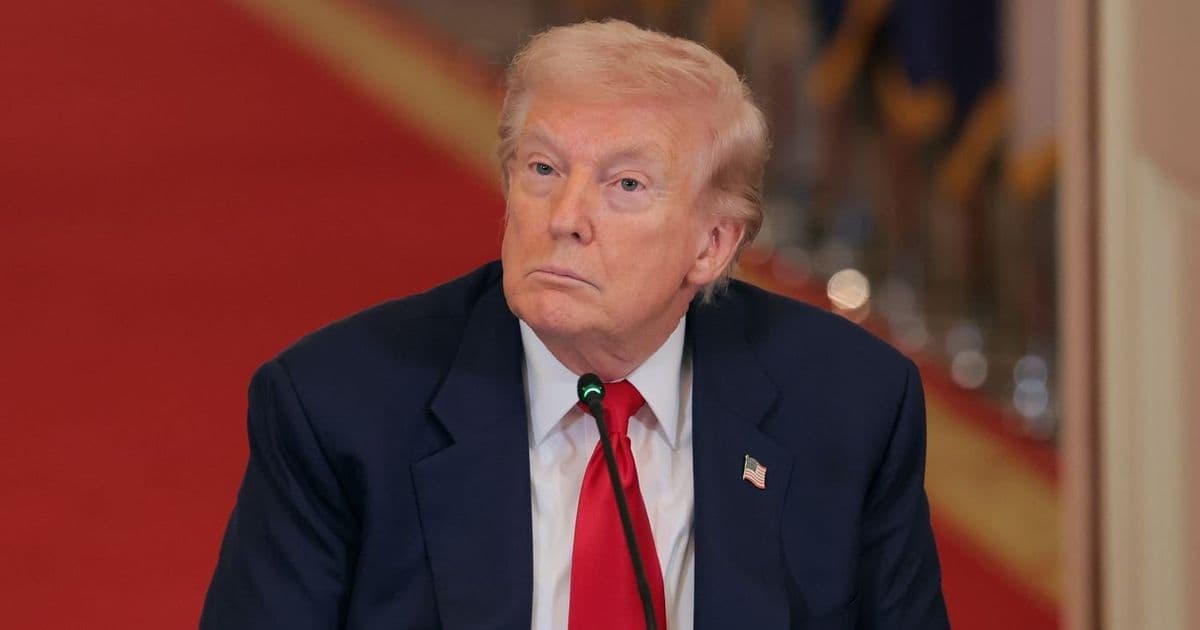
A new Axios poll reveals 48% of Americans hold President Trump responsible for rising gas prices, with economic concerns mounting as fuel costs hit $3.50 per gallon nationally.
Gas prices have surged to their highest levels in months, with the national average now sitting at $3.50 per gallon, and a new Axios poll reveals that 48% of Americans blame President Trump for the spike more than any other factor.
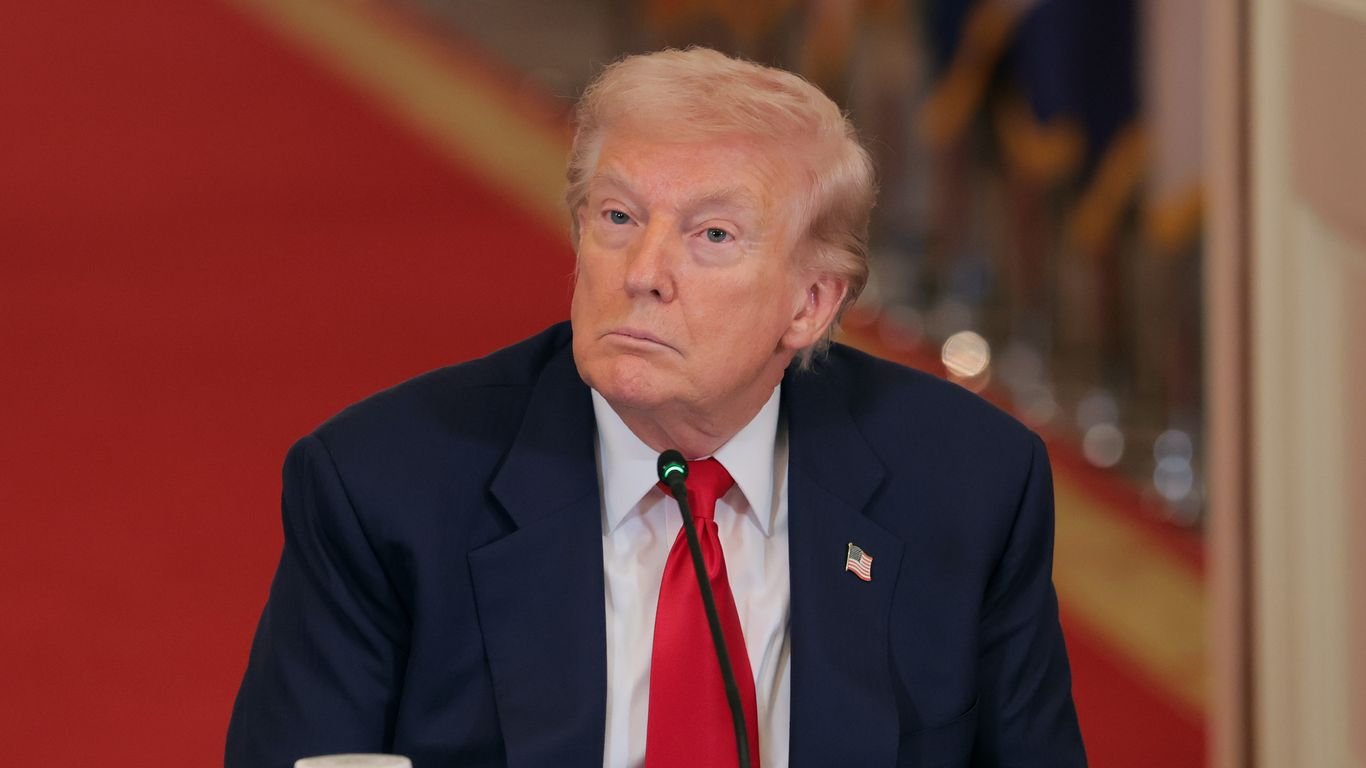
The survey, conducted earlier this week, shows that economic concerns are mounting as fuel costs continue to climb. The poll found that nearly half of respondents directly attribute the price increases to Trump's policies, while 22% blame oil companies, 15% point to global market forces, and 10% cite supply chain issues.
Economic Impact
The surge in gas prices is hitting American consumers hard. With the national average up 27 cents from just a month ago, households are feeling the pinch at the pump. The Energy Information Administration reports that U.S. gasoline consumption has dropped by 3% in the past month as drivers cut back on discretionary travel.
Transportation costs are rippling through the economy, with shipping companies and delivery services announcing rate increases to offset their higher fuel expenses. Amazon, FedEx, and UPS have all indicated they may need to raise prices if current trends continue.
Political Fallout
Trump's approval ratings on economic issues have slipped to 41%, down from 48% in January, according to the same poll. The administration has pushed back against the findings, with Treasury Secretary Scott Bessent stating that "global oil markets are complex and influenced by many factors beyond any president's control."
However, the timing is particularly challenging for the White House as it prepares for upcoming midterm elections. Economic anxiety tends to translate directly into political consequences, and Republicans are already seeing softening support in key battleground states.
Market Analysis
Energy analysts point to several factors driving the price increases: OPEC+ production cuts, increased global demand as China's economy rebounds, and refinery maintenance season reducing U.S. capacity. The U.S. Strategic Petroleum Reserve remains at historically low levels, limiting the government's ability to intervene.
Oil prices have climbed to $82 per barrel, a level not seen since last November. Goldman Sachs analysts predict prices could reach $90 by summer if current trends continue, which would push the national average gas price above $4 per gallon.
Consumer Response
Retail data shows consumers are already adjusting their behavior. Sales of fuel-efficient vehicles are up 18% compared to last year, while SUV and truck sales have softened. Public transit ridership in major cities has increased by 7% as commuters seek alternatives to driving.
Some states are taking action. Maryland and Georgia have temporarily suspended their gas taxes, saving drivers about 30 cents per gallon. Several other states are considering similar measures, though economists warn that tax holidays may provide limited relief while reducing funding for road maintenance.
What's Next
The Energy Department forecasts that prices will likely remain elevated through the summer driving season. The administration is exploring diplomatic options to encourage increased production from allies like Venezuela and Iran, though these efforts face significant political and practical obstacles.
For now, American drivers are bracing for more pain at the pump, with 68% of poll respondents saying they've already cut back on driving or other expenses due to fuel costs. The economic and political consequences of these price increases are only beginning to unfold.
Comments
Please log in or register to join the discussion