An Indonesian court sentenced the head of Terra Drone’s Jakarta unit to 16 months in prison for negligent homicide after a December 2025 blaze killed 22 workers. The ruling highlights operational risks for drone manufacturers expanding in Southeast Asia and raises questions about Terra Drone’s growth strategy amid tightening safety regulations.
Business news
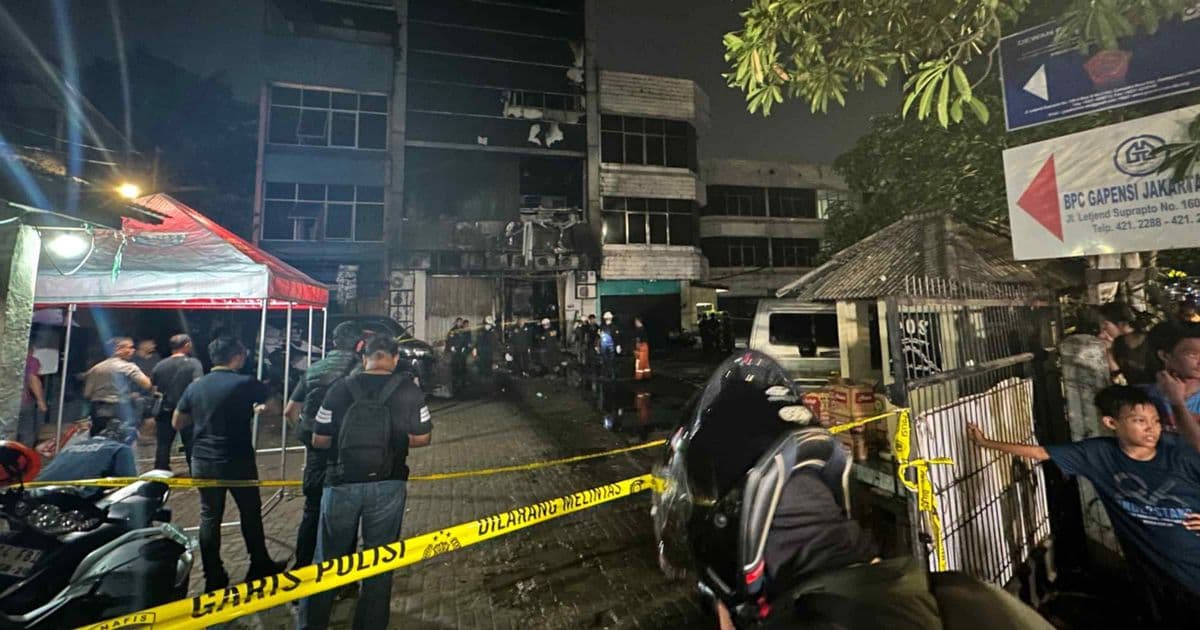
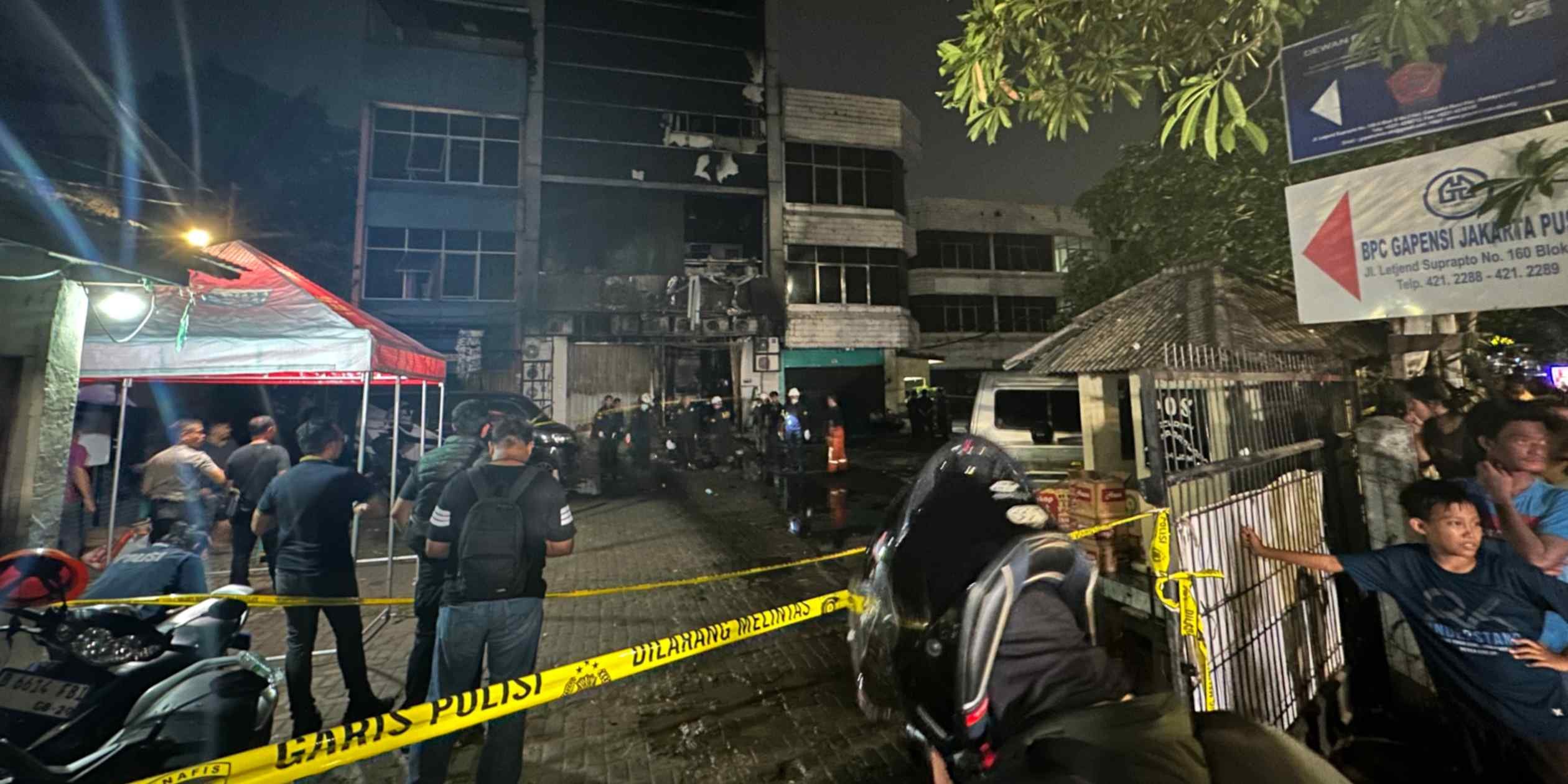
An Indonesian court on 22 May 2026 sentenced Masayuki Takahashi, the chief executive of Terra Drone Indonesia, to 16 months in prison for negligent homicide. The verdict stems from a fire that broke out on 12 December 2025 at the company’s Jakarta office building, killing 22 employees and injuring 15 others. The court found that improperly stored lithium‑ion batteries used for drone testing were the primary ignition source, and that the company failed to implement adequate fire‑safety protocols.
Market context
Terra Drone, founded in 2015, has positioned itself as a leading provider of commercial drone services for infrastructure inspection, agriculture, and defense. In FY 2025 the group reported ¥120 billion (≈ US$770 million) in revenue, a 12 % year‑on‑year increase driven largely by contracts in Japan, Southeast Asia, and Europe. The Jakarta operation accounted for roughly 8 % of total revenue, reflecting the firm’s strategy to tap the fast‑growing Asian construction and utilities markets, where drone‑based inspections can cut costs by up to 30 % compared with manual surveys.
The incident arrives as regulators across the region tighten safety standards for lithium‑battery handling. Indonesia’s Ministry of Manpower announced in March 2026 new guidelines requiring 30 % higher fire‑suppression capacity for facilities storing more than 500 kWh of battery power. Similar measures are being rolled out in Singapore and Malaysia, where drone‑service providers have already faced fines for inadequate storage practices.
What it means
- Operational risk spotlight – The sentencing underscores the liability exposure for firms that scale drone operations without robust safety frameworks. Companies will likely reassess battery‑storage procedures, invest in fire‑suppression systems, and conduct third‑party safety audits to avoid comparable penalties.
- Financial impact on Terra Drone – While the 16‑month term is relatively short, the legal costs and potential civil claims could erode the ¥5 billion profit margin recorded in FY 2025. Analysts at Nomura now project a 3 % downward revision to the company’s 2026 earnings guidance, citing “increased compliance expenditures and reputational risk.”
- Strategic recalibration – Terra Drone may slow its aggressive expansion in Indonesia and redirect resources toward markets with clearer regulatory pathways, such as Japan’s domestic defense program, where the firm recently secured a ¥15 billion contract to supply inspection drones for the Self‑Defense Forces.
- Industry‑wide implications – The case may accelerate the adoption of standardized battery‑management protocols across the drone sector. Trade groups like the International Drone Federation are already drafting a global best‑practice handbook that could become a de‑facto requirement for multinational operators.
"Safety cannot be an afterthought when scaling drone services," said Hiroshi Saito, an analyst at Daiwa Securities. "The Terra Drone incident will likely become a benchmark case for how regulators enforce compliance in the rapidly expanding commercial drone market."
The sentencing also raises broader questions about corporate governance in Japanese startups operating abroad. Investors are expected to demand tighter oversight, potentially prompting Terra Drone’s board to appoint an independent safety officer and to increase transparency around risk‑management metrics in its quarterly reports.
For now, the company has pledged to upgrade its Jakarta facilities by installing automated fire‑extinguishing systems and to conduct mandatory safety training for all staff handling batteries. Whether these measures will be sufficient to restore confidence among clients and regulators remains to be seen.
Comments
Please log in or register to join the discussion