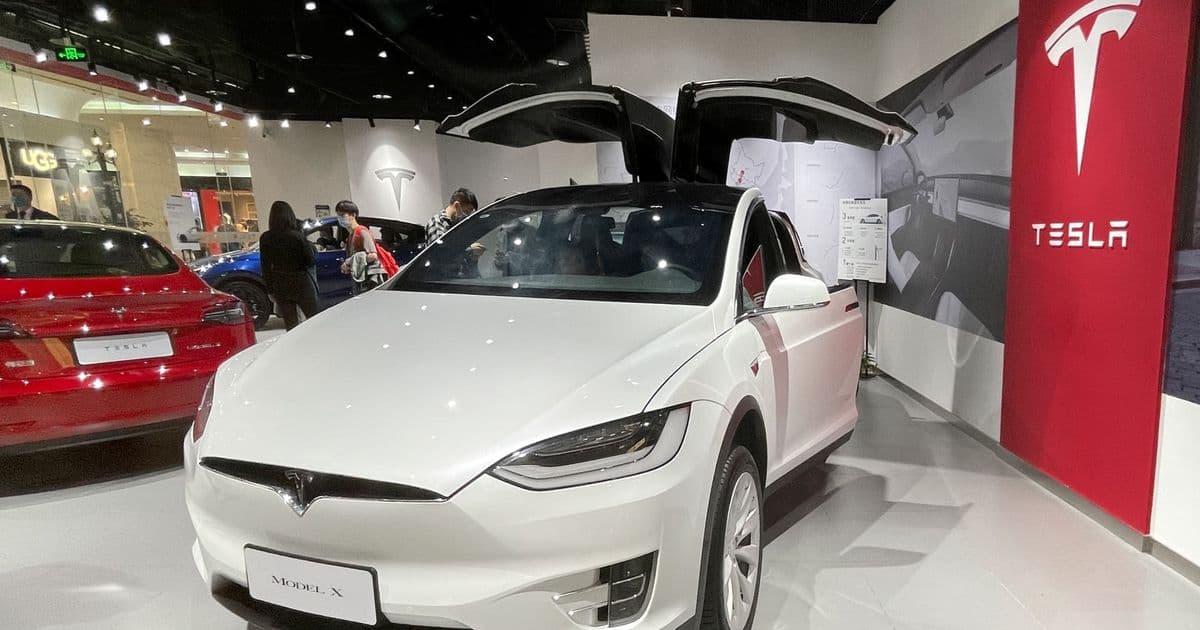
Elon Musk announced Tesla will stop making its premium Model S and X vehicles to convert the Fremont factory for mass-producing Optimus humanoid robots.
Tesla CEO Elon Musk declared on the company's fourth-quarter earnings call that production of the Model S and Model X vehicles will cease, marking the end of an era for the company's original premium electric vehicles. The announcement comes as Tesla faces its first annual sales decline on record, with the company reporting revenue drops in three of the past four quarters.
"It's time to basically bring the Model S and X programs to an end with an honorable discharge," Musk stated during the earnings call. "If you're interested in buying a Model S and X, now would be the time to order it."
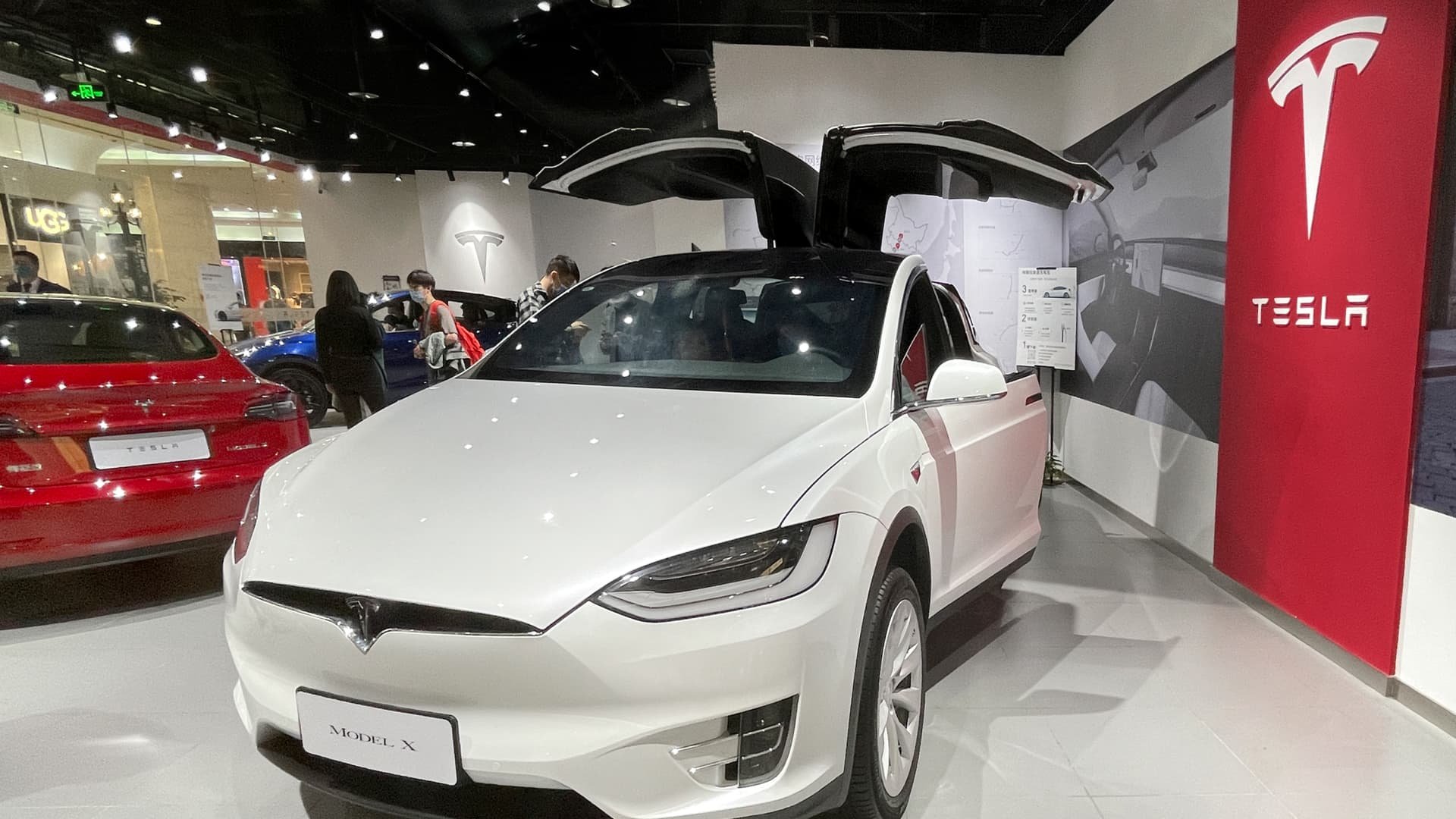
The Model S, introduced in 2012, and the Model X, launched in 2015, represent Tesla's earliest forays into premium electric vehicles. These models helped establish Tesla's reputation for high-performance electric cars, with the Model S currently starting at approximately $95,000 and the Model X at around $100,000 on Tesla's website.
However, Tesla's current sales are dominated by its more affordable Model 3 and Model Y vehicles, which together accounted for 97% of the company's 1.59 million deliveries last year. The Model 3 starts at about $37,000, while the Model Y begins around $40,000, making them accessible to a much broader market segment.
The decision to end production of the premium models reflects Tesla's strategic pivot toward what Musk calls the company's "next phase" - autonomous vehicles and humanoid robots. Tesla plans to convert the Fremont factory's Model S and X production line into a facility capable of producing 1 million Optimus robots annually.
"Because it is a completely new supply chain," Musk explained, "there's really nothing from the existing supply chain that exists in Optimus." The company expects to boost headcount at the Fremont facility and "significantly increase output" as it transitions to robot production.
Tesla debuted its Optimus humanoid robot concept with the ambitious goal of creating a bipedal, intelligent robot capable of performing tasks ranging from factory work to household assistance. The company plans to unveil the third generation of Optimus this quarter, describing it as its "first design meant for mass production."
This strategic shift represents a significant gamble for Tesla, as the company currently has virtually no business in either autonomous vehicles or humanoid robots. While Tesla has been developing its Full Self-Driving technology, it has yet to achieve the fully autonomous capabilities Musk has repeatedly promised. Similarly, the Optimus project remains largely theoretical, with no commercial product available.
The timing of this announcement is particularly noteworthy given Tesla's recent financial performance. The company reported its first annual revenue decline on record, with sales falling in three of the past four quarters. This decline comes amid intensifying global competition in the electric vehicle market, where Tesla has faced increasing pressure from both established automakers and new EV startups.
Musk's decision to end production of the Model S and X could be seen as an acknowledgment that Tesla needs to focus its resources on future technologies rather than maintaining legacy product lines. However, it also raises questions about the company's ability to execute on these ambitious new ventures while maintaining its core automotive business.
The transition from premium electric vehicles to humanoid robots represents a dramatic shift in Tesla's business model. While the Model S and X helped establish Tesla as a leader in electric vehicles, the company is now betting that its future lies in artificial intelligence and robotics rather than traditional automotive manufacturing.
Industry analysts will be watching closely to see how this transition unfolds, particularly given the significant technical and market challenges involved in developing and commercializing humanoid robots. The success or failure of this pivot could determine whether Tesla remains a dominant force in transportation technology or becomes a cautionary tale about the risks of abandoning proven business models for speculative future technologies.
Comments
Please log in or register to join the discussion