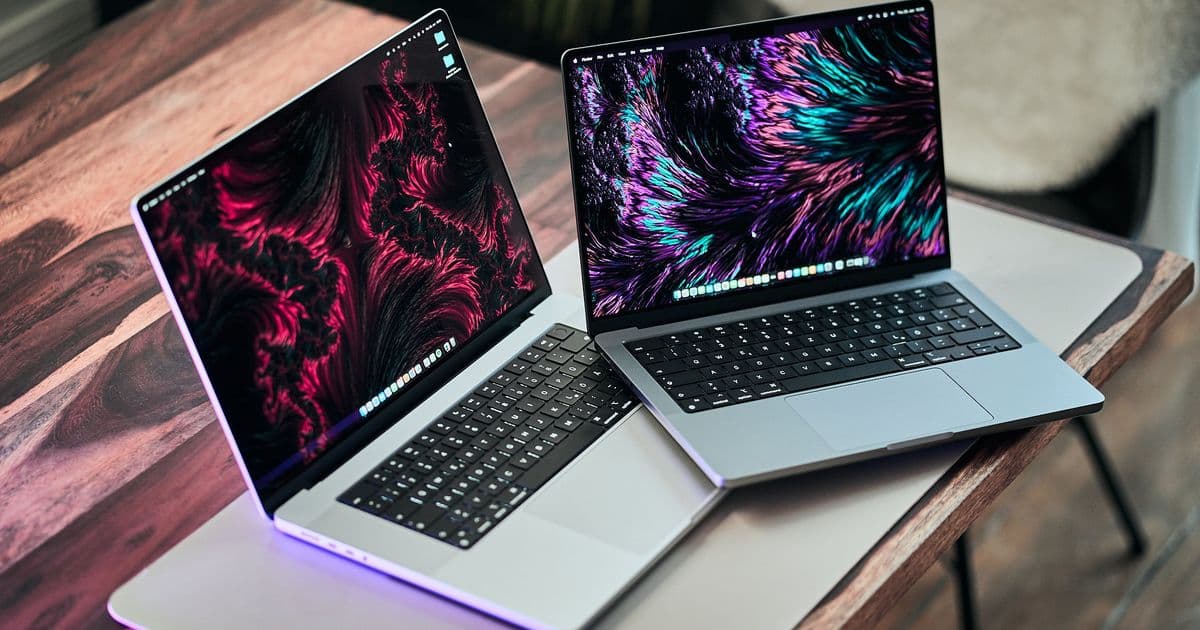
Apple's M5 Max shows significant performance gains in the larger MacBook Pro 16 compared to the 14-inch model, with 15-18% better CPU and GPU results thanks to improved thermal headroom.
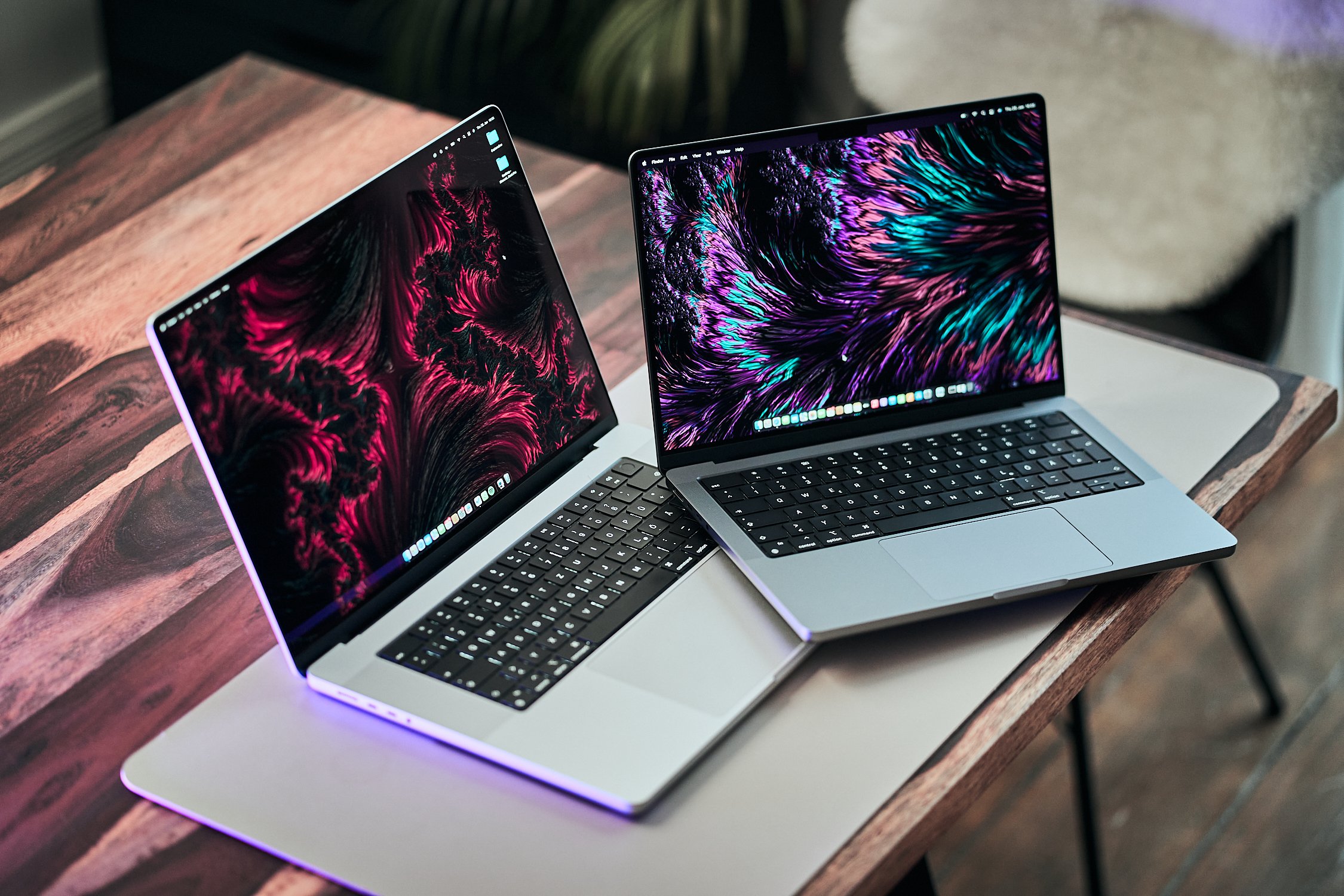
The thermal limitations that plagued the MacBook Pro 14 with Apple's M5 Max SoC appear to be resolved in the larger MacBook Pro 16, where our initial benchmarks show the high-end chip delivering 15-18% better performance across both CPU and GPU workloads.
During our review of the MacBook Pro 14 with M5 Max's 40-core GPU configuration, we encountered frustrating performance inconsistencies. The CPU would fluctuate even in High Power mode, and graphics performance proved unstable. Most concerning was that the M5 Max barely outperformed the previous generation M4 Max in CPU tasks, suggesting thermal throttling was severely limiting the new chip's potential.
Our suspicions that the M5 Max would benefit from the MacBook Pro 16's larger thermal envelope have now been confirmed. We've obtained a review unit of the MBP 16 with M5 Max and conducted preliminary testing that reveals substantial performance gains.
In Cinebench 2024's multi-core test, the MacBook Pro 16 with M5 Max achieves 2,437 points, representing an 18% advantage over the same chip in the MacBook Pro 14 (2,073 points). The performance gap is equally impressive when compared to the previous generation - the M5 Max in the MBP 16 outperforms the M4 Max in the MBP 16 by 18% as well.
Notably, the MacBook Pro 16 achieves these results in Automatic mode, which runs significantly quieter than the High Performance mode. While High Performance doesn't boost single-run performance, we're still testing whether it improves sustained workload handling.
The thermal improvements are evident in power consumption metrics. During benchmark runs, the CPU cores in the MBP 16 consume 78/65 Watts, substantially more than what the smaller model can sustain.
Graphics performance shows similar improvements. In the 3DMark Steel Nomad test, the M5 Max in the MacBook Pro 16 delivers 12% better performance compared to the same chip in the MacBook Pro 14, and a remarkable 21% improvement over the M4 Max in the MBP 16.
Perhaps most importantly, the GPU performance in the MBP 16 proves completely stable under sustained workloads. This contrasts sharply with the MacBook Pro 14, which suffered from -7.4% performance degradation in High Performance mode and -25% in Automatic mode during extended testing.
These initial results strongly suggest that the M5 Max's thermal design power exceeds what the MacBook Pro 14 can effectively dissipate, while the MacBook Pro 16's larger chassis and enhanced cooling system allow the chip to operate at its intended performance levels. For users considering the M5 Max configuration, the MacBook Pro 16 appears to be the clear choice to unlock the chip's full potential.
We'll be conducting additional testing to evaluate sustained performance, thermals under various workloads, and real-world application performance, but these early benchmarks already demonstrate a significant performance advantage that makes the MacBook Pro 16 the superior platform for Apple's most powerful mobile SoC to date.
Comments
Please log in or register to join the discussion