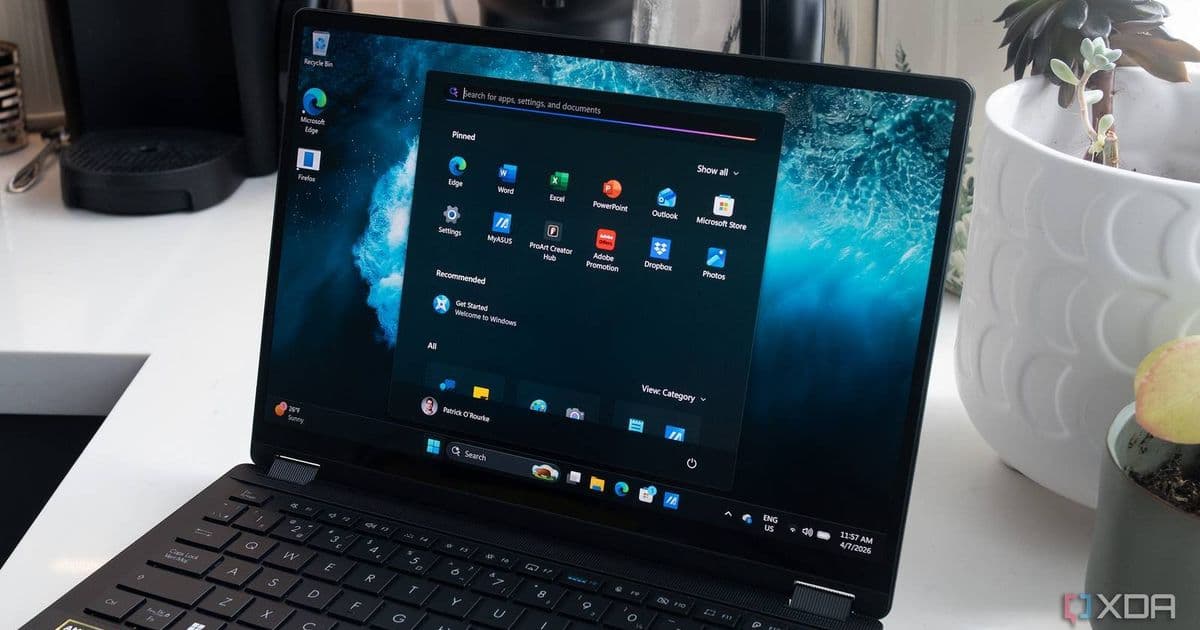
Microsoft is shifting its Windows development strategy to focus on performance improvements and core functionality, with CEO Satya Nadella specifically targeting reduced RAM usage as part of an effort to win back consumer trust. This marks a significant departure from the rapid AI feature rollouts of 2025 and represents a return to fundamentals for the operating system.
Microsoft is undergoing a significant strategic shift in its Windows development approach, with CEO Satya Nadella explicitly stating the company's intention to "win back fans" by focusing on core improvements rather than rapid AI feature deployments. This new direction includes a specific emphasis on reducing Windows' RAM usage, addressing one of the most common complaints from users and potentially opening up the operating system to run on more affordable, lower-spec hardware.
The Context: Microsoft's 2025 Challenges
The announcement comes after a challenging year for Microsoft's consumer-facing products. In 2025, the company faced criticism for prioritizing AI features over core functionality in Windows. The rapid rollout of AI-powered capabilities led to increased system requirements, with many users reporting higher RAM and CPU usage compared to previous versions. This created a divide between Microsoft's vision for a modern, AI-powered Windows and the reality of users' everyday experiences, particularly those with older or budget hardware.
"We are doing the foundational work required to win back fans and strengthen engagement across Windows, Xbox, Bing, and Edge," Nadella stated during Microsoft's FY26 Q3 earnings call. "In the near term, we are focused on fundamentals, prioritizing quality and serving our core users better."
This admission signals a recognition within Microsoft that its previous strategy may have alienated its core user base. The company's decision to pivot back to fundamentals suggests a more measured approach to integrating AI technologies into Windows, ensuring that new features enhance rather than detract from the user experience.
Technical Focus: Reducing Windows' RAM Footprint
One of the most significant aspects of this new strategy is the explicit focus on reducing Windows' RAM usage. RAM optimization has become increasingly important as users continue to use their devices for longer periods and as hardware specifications stagnate in the budget and mid-range segments.
Currently, Windows 11 has a minimum RAM requirement of 4GB, with Microsoft recommending 8GB for optimal performance. However, many users report that the operating system uses significantly more RAM than these minimums, often leaving little available for applications. This has been particularly problematic for users who:
- Run multiple applications simultaneously
- Use older hardware that doesn't have abundant RAM
- Work with memory-intensive applications like video editors or development environments
- Use devices with SSDs that have less RAM than traditional hard drive-based systems
Microsoft's new approach to RAM optimization will likely involve several technical improvements:
Memory Management Improvements: Refining how Windows allocates and manages memory resources to reduce waste and improve efficiency.
Background Process Optimization: Identifying and reducing the memory footprint of background services and processes that aren't actively needed.
Application Resource Management: Implementing better controls for how applications use memory, potentially through improved APIs and developer guidelines.
Adaptive Resource Allocation: Developing systems that can dynamically adjust resource allocation based on the specific hardware and usage patterns of each device.
Lighter Installation Options: Offering streamlined installation options that include only essential components, similar to how Windows 10 in S Mode operates but with more flexibility.
This focus on RAM optimization could significantly expand the range of hardware that can run Windows effectively, potentially allowing Microsoft to compete more effectively in emerging markets and with budget devices.
The Strategy Shift: From AI Hype to Core Functionality
Microsoft's pivot away from rapid AI rollouts represents a significant strategic shift. In 2025, the company heavily promoted AI features across its product lineup, including Windows. However, these features often came with increased system requirements and sometimes felt rushed or incomplete.
The new strategy emphasizes quality over quantity, focusing on ensuring that core Windows features work reliably before adding new capabilities. This approach aligns with Nadella's statement about prioritizing "fundamentals" and "serving our core users better."
This shift doesn't mean Microsoft is abandoning AI. Instead, it suggests a more measured approach to integrating AI technologies into Windows. Rather than adding AI features for their own sake, the company will likely focus on AI capabilities that genuinely enhance the user experience without compromising performance.
For example, instead of adding numerous AI-powered features that each require additional resources, Microsoft might concentrate on a few well-integrated AI capabilities that provide tangible benefits while maintaining system efficiency.
Implications for Developers
This strategic shift has significant implications for Windows developers. Microsoft's renewed focus on performance and core functionality means developers will need to adjust their approach to building applications for Windows.
Development Priorities
Developers will likely need to prioritize:
Resource Efficiency: Building applications that use system resources efficiently, particularly RAM and CPU cycles.
Core Functionality: Ensuring that essential features work reliably before adding advanced capabilities.
Compatibility: Making sure applications work well across a wider range of hardware, including lower-spec devices.
API Changes
Microsoft may also introduce new APIs and development guidelines that encourage more efficient resource usage. This could include:
- New APIs for memory management that give developers more control over how their applications use RAM.
- Guidelines for background processes that minimize resource consumption when applications aren't actively being used.
- Tools for developers to test and optimize their applications for lower-spec hardware.
Testing and Quality Assurance
With Microsoft emphasizing quality over rapid feature deployment, developers may need to allocate more resources to testing and quality assurance. This could involve:
- More thorough testing across a wider range of hardware configurations.
- Performance testing to ensure applications don't negatively impact system resources.
- Beta testing with real users to identify issues before release.
The Competitive Landscape
Microsoft's renewed focus on performance and core functionality comes at a time of increased competition in the operating system space. Several factors make this strategic shift particularly important:
Chrome OS and Web Applications
Chrome OS has gained significant market share, particularly in the education and budget segments, by offering a lightweight, efficient operating system that runs web applications effectively. Microsoft's focus on reducing RAM usage and improving performance on lower-spec hardware positions Windows to better compete with Chrome OS in these segments.
Mobile Operating Systems
As mobile devices continue to become more powerful, many users are accustomed to the efficient resource management found in mobile operating systems like iOS and Android. Microsoft's emphasis on performance could help Windows feel more modern and responsive in comparison to these platforms.
Linux on the Desktop
Linux distributions have made significant strides in user-friendliness and hardware compatibility, making them increasingly viable alternatives to Windows for power users and developers. Microsoft's focus on core functionality and performance could help Windows maintain its appeal in this segment.
Apple's Ecosystem
Apple's macOS has long been known for its efficient resource management and smooth performance. By focusing on performance optimization, Microsoft aims to close the gap with Apple's offerings and provide a more competitive experience for Windows users.
What This Means for Consumers
For consumers, Microsoft's strategic shift could bring several benefits:
Improved Performance on Existing Hardware
Reduced RAM usage means that Windows will run more smoothly on existing hardware, extending the useful life of older devices. This is particularly important for users who can't afford to upgrade to new hardware every few years.
More Affordable Options
With lower RAM requirements, manufacturers can produce more affordable Windows devices without compromising performance. This could make Windows devices more accessible to budget-conscious consumers and those in emerging markets.
Better Reliability
By focusing on core functionality and quality, Microsoft aims to reduce the bugs and reliability issues that have plagued recent versions of Windows. This means fewer crashes, fewer compatibility problems, and a more stable user experience.
More Thoughtful Feature Integration
Rather than being overwhelmed with numerous new features, consumers can expect a more curated selection of capabilities that genuinely enhance the user experience. This approach prioritizes features that solve real problems over those that are merely impressive demonstrations of technology.
The Road Ahead
Microsoft's new strategy for Windows represents a significant departure from its previous approach. The company is acknowledging past missteps and committing to a more measured, user-focused development process.
The emphasis on RAM optimization and core functionality suggests that Microsoft is taking seriously the concerns of its core user base. By focusing on performance and reliability, the company aims to win back the trust of consumers who may have felt alienated by the rapid pace of change in recent years.
However, implementing this strategy will take time. Windows is a complex operating system with millions of lines of code and a vast ecosystem of applications and hardware. Making significant improvements to performance and resource usage will require careful planning, thorough testing, and coordination with hardware manufacturers and software developers.
The coming year will be crucial for Microsoft as it works to deliver on Nadella's promise to "win back fans." If successful, this strategic shift could help Windows regain its position as the preferred operating system for millions of users worldwide.
For now, Microsoft's commitment to fundamentals and quality represents a welcome change in direction. By focusing on what matters most to users—performance, reliability, and core functionality—the company has an opportunity to reestablish Windows as a leading operating system in an increasingly competitive market.
As Nadella noted, the company is "doing the foundational work required to win back fans." Only time will tell if this foundation will be strong enough to support Microsoft's ambitions for Windows in the years to come.
Comments
Please log in or register to join the discussion