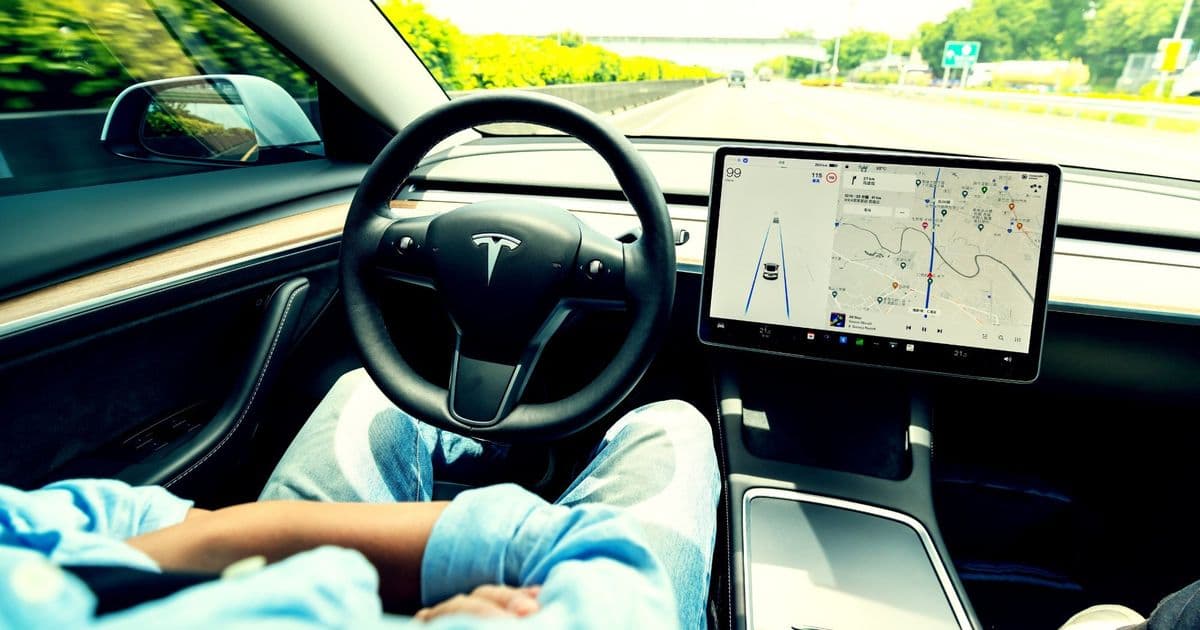
Tesla has silently rebranded its $15,000 'Full Self-Driving' (FSD) package to 'Full Self-Driving (Supervised)', explicitly acknowledging that human oversight remains mandatory. This move, nearly a decade after Elon Musk promised fully autonomous vehicles, signals a retreat from the core claim that its cars could drive themselves and coincides with a controversial $1 trillion compensation package tied to FSD subscriptions.
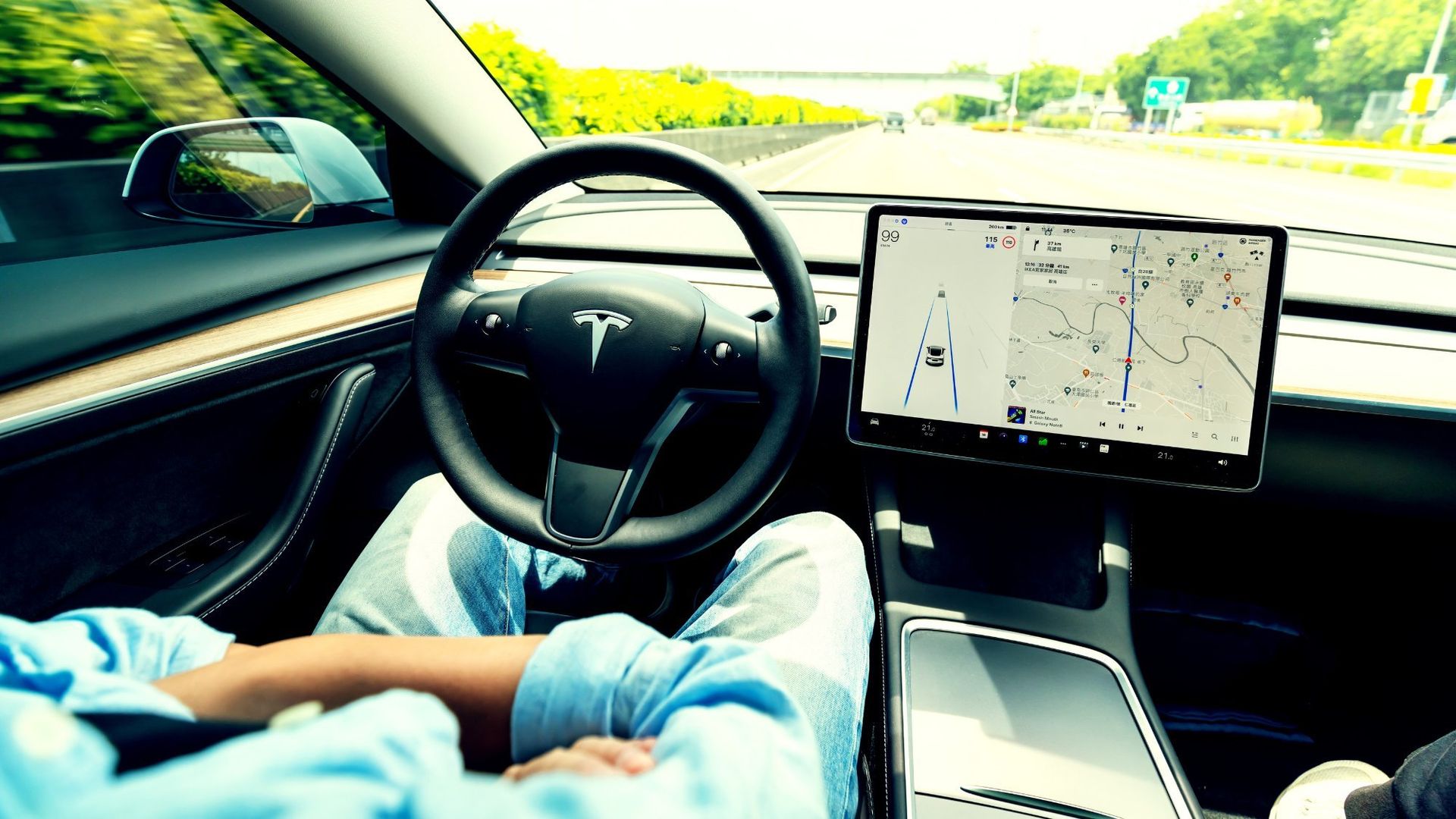
In 2016, Tesla made a bold proclamation: every car it produced would possess the hardware necessary for full self-driving capability, eventually enabling operation without human intervention. CEO Elon Musk reinforced this vision year after year. Nearly a decade later, that promise remains unfulfilled, and Tesla is effectively admitting defeat on its core premise of human-free autonomy.
The company has undertaken a significant, quiet rebranding effort. Its flagship advanced driver-assistance system, previously marketed aggressively as "Full Self-Driving" (FSD) and sold for up to $15,000, is now officially called "Full Self-Driving (Supervised)". As noted by Electrek, this subtle but crucial addition explicitly clarifies that the system requires constant human supervision and is not an autonomous vehicle (AV) system by strict definition. The fine print now unequivocally states that the vehicle is not autonomous and, critically, will not become autonomous using the current hardware suite sold between 2016 and 2023.
"What Tesla once sold as your own personal robot chauffeur is now just an expensive suite of driver-assist tools, little different from any other car manufacturer’s slate of offerings," the original report observes, highlighting the significant gap between the initial vision and the delivered reality.
This semantic shift carries profound implications beyond just marketing. It arrives concurrently with Tesla's board proposing a new $1 trillion compensation package for Elon Musk. One of the key milestones triggering massive payouts is reaching "10 Million Active FSD Subscriptions".
Electrek's analysis points to a critical detail: the compensation plan defines "FSD" with remarkably vague language, encompassing any system performing "transportation tasks" with "autonomous or similar functionality." This broad definition, potentially applicable to basic systems like adaptive cruise control, allows Tesla to continue reporting FSD subscription numbers against Musk's milestone, even though the system's fundamental capability and promise have been drastically scaled back. It effectively lowers the technical bar Musk must clear to secure his payday while abandoning the original autonomous driving ambition sold to customers.
The rebranding from FSD to FSD (Supervised) represents more than just a name change; it's a tacit admission that achieving Level 4 or Level 5 autonomy – where the car handles all driving without human input – with the sensor suite and compute hardware deployed in millions of existing Teslas is likely impossible. It underscores the immense technical challenges of true self-driving technology and marks a significant retreat from one of Tesla's most audacious and long-promised technological leaps. The dream of the driverless Tesla, sold for years and for thousands of dollars, appears to have been parked indefinitely.
Comments
Please log in or register to join the discussion