Tether has become integral to Venezuela's economy as both a sanctions-evasion tool and citizen lifeline, putting the stablecoin issuer in a strategic position to assist U.S. efforts to recover funds allegedly stolen by Nicolás Maduro's government.
Tether Emerges as Critical Player in Venezuela's Financial Ecosystem
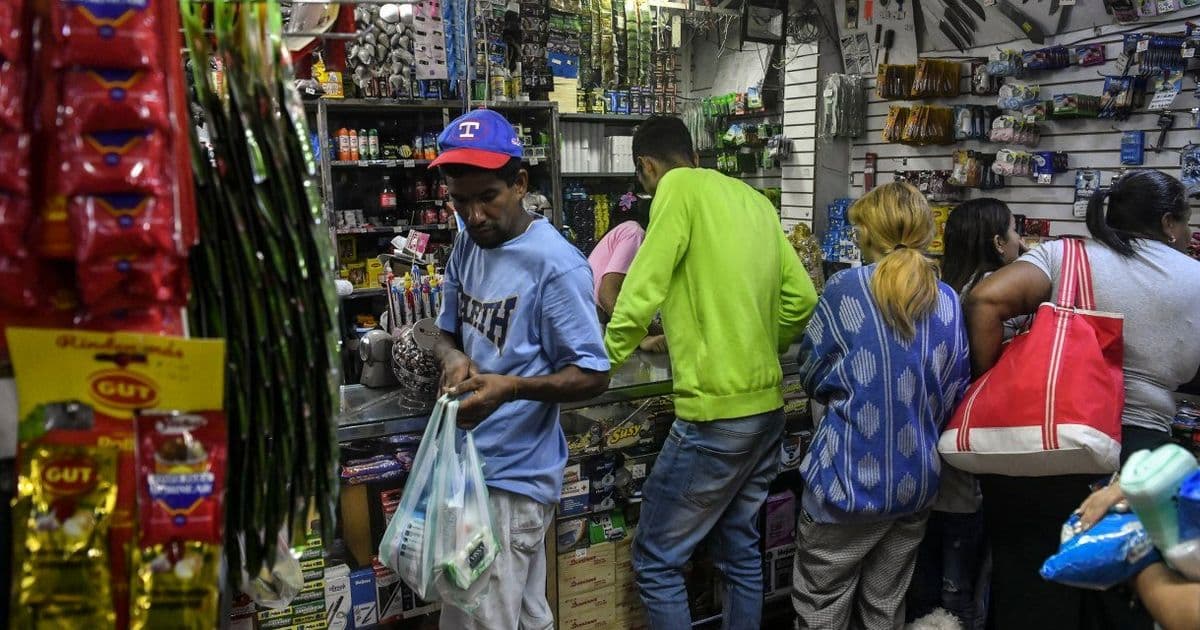
Tether (USDT), the world's largest stablecoin with an $112 billion market capitalization, has developed an unexpectedly pivotal role in Venezuela's collapsing economy according to new analysis. As Venezuela's hyperinflation exceeds 400% annually and traditional banking systems falter, USDT transactions now constitute approximately 34% of all digital payments nationwide based on Chainalysis data. This penetration creates a unique financial intelligence network that U.S. authorities are now leveraging.
Sanctions Evasion Meets Economic Survival
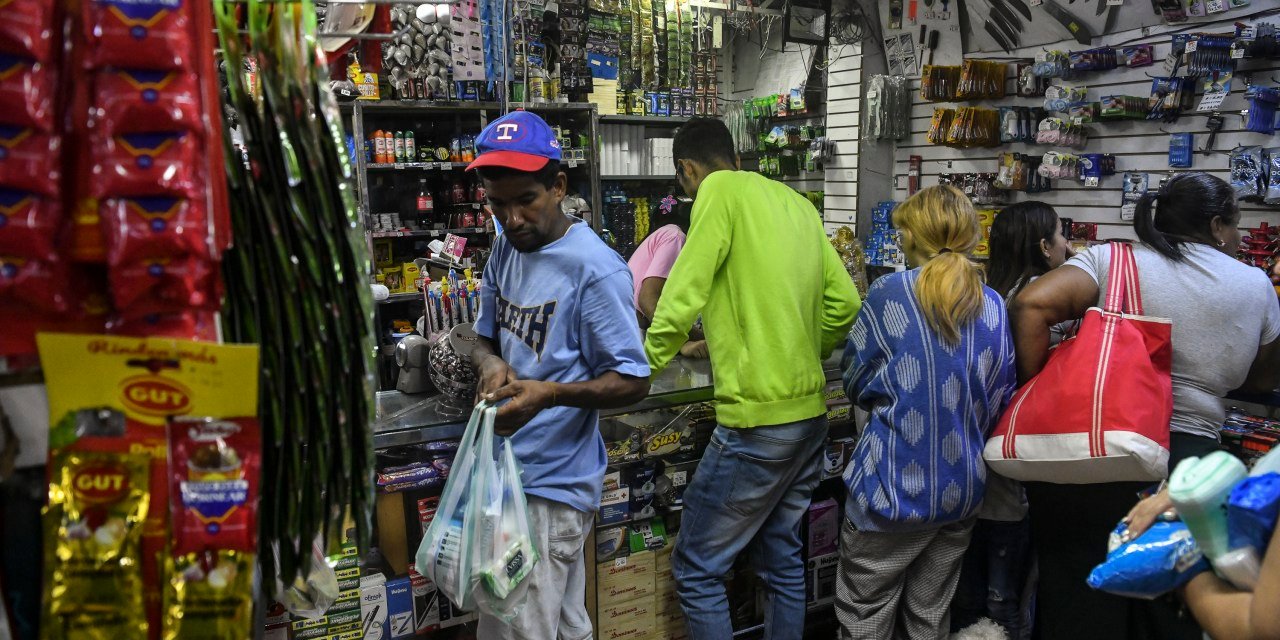
Venezuela's turn to cryptocurrency began in earnest following 2019 U.S. sanctions that severed state oil company PDVSA from global financial networks. Government entities systematically adopted USDT for international trade settlements, moving an estimated $3.2 billion in oil revenues through Tether transactions between 2021-2025 according to blockchain forensic firms. Simultaneously, citizens facing 75% bank deposit erosion monthly adopted USDT as a stable store of value. Remittances via Tether now exceed $900 million quarterly, constituting 12% of Venezuela's GDP.
The Recovery Mechanism
This dual usage creates an unprecedented advantage for U.S. investigators. Treasury Department officials confirm that Tether's blockchain transparency provides forensic trails to funds allegedly embezzled by Maduro's inner circle. Unlike traditional offshore accounts, the immutable nature of blockchain transactions allows investigators to trace stolen assets across exchanges and wallets. Recent subpoenas to Tether have already identified $420 million in allegedly misappropriated state funds moved through Venezuelan government-linked wallets.
Strategic Implications
Tether's cooperation framework represents a strategic evolution in sanctions enforcement:
- Real-time tracking: Unlike traditional asset freezes that take months, blockchain analysis enables near real-time tracing of fund movements
- Public-private leverage: Tether's voluntary compliance provides Treasury with private-sector capabilities beyond governmental reach
- Precedent setting: Success could establish cryptocurrency firms as mandatory partners in future sanctions regimes
Industry analysts note the arrangement creates both opportunity and risk for Tether. While demonstrating regulatory alignment could improve institutional adoption, the company faces potential backlash from other jurisdictions wary of U.S. financial surveillance. Market data shows USDT's dominance increased to 69.3% of stablecoin transactions during Venezuela's adoption surge, but competitors like USDC are gaining ground in regulated markets.
Official Tether documentation confirms ongoing cooperation with U.S. agencies, though specific recovery mechanisms remain confidential. This positions the company at the intersection of geopolitical finance and cryptocurrency's evolving regulatory landscape, with Venezuela serving as an unexpected proving ground for blockchain's role in international enforcement actions.
Comments
Please log in or register to join the discussion