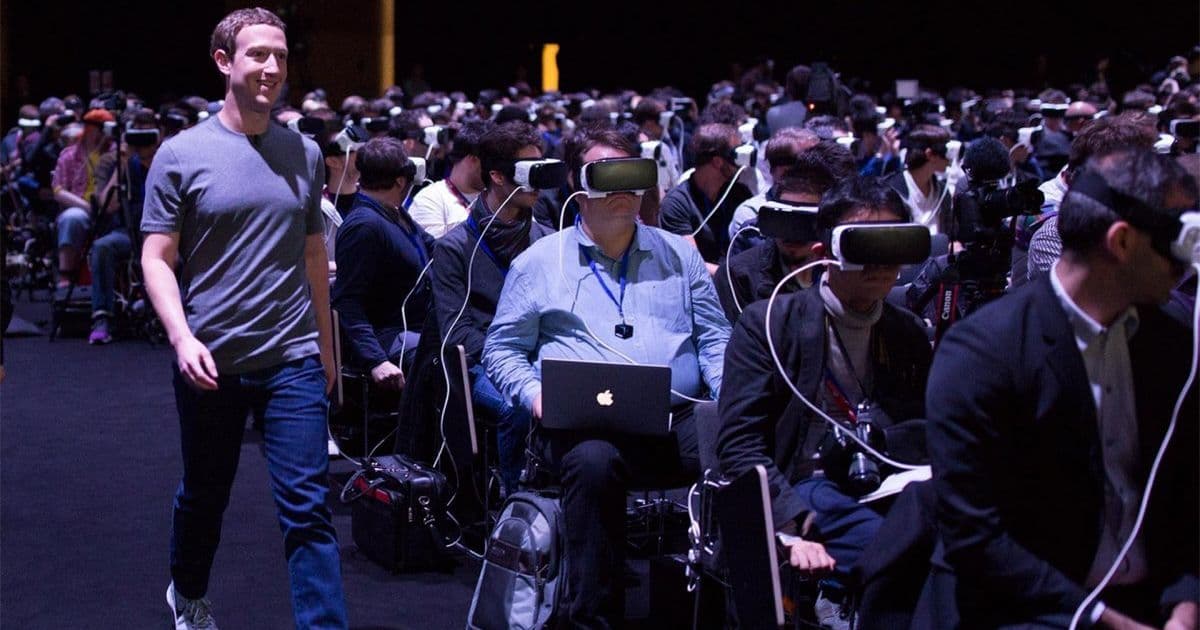
After ten years and over $100 billion invested, Meta's metaverse vision remains mired in financial losses and sparse adoption. Despite rebranding and relentless VR hardware development, Reality Labs hemorrhages cash while user engagement stagnates, forcing strategic pivots toward AI.
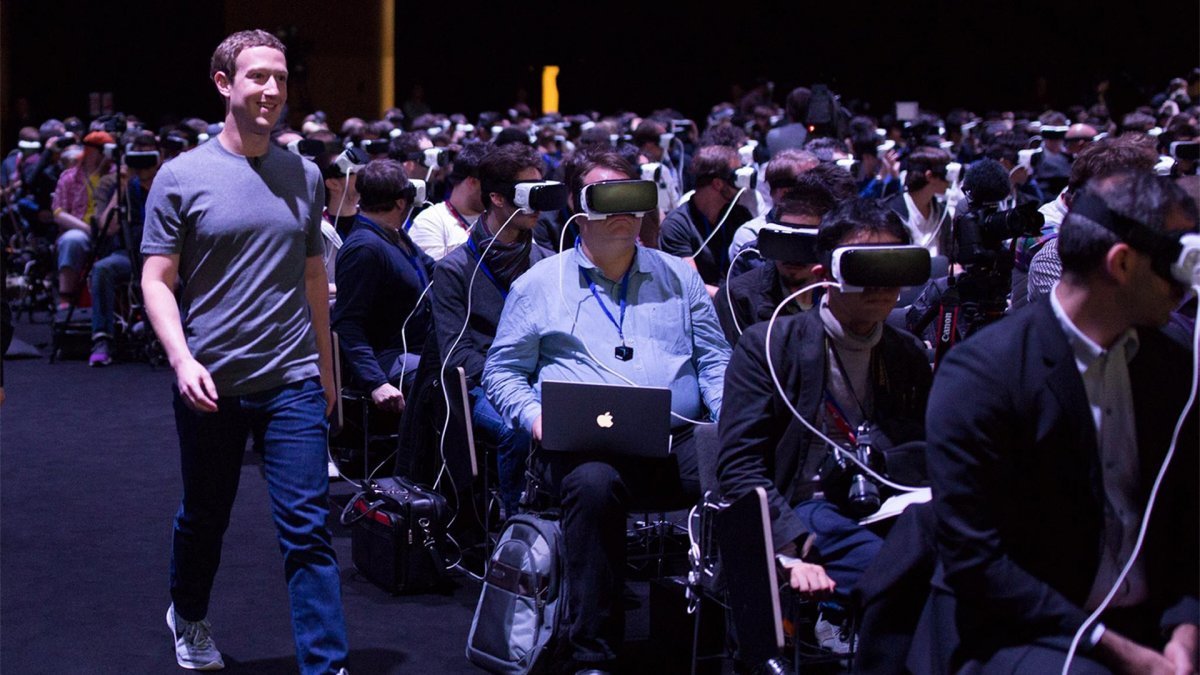
When Mark Zuckerberg renamed Facebook to Meta in 2021, he declared the metaverse the "next chapter of the internet"—a persistent virtual universe where billions would work, socialize, and play. A decade into this ambitious vision, with cumulative losses exceeding $100 billion through Meta's Reality Labs division, the dream feels increasingly elusive. The numbers paint a stark picture: in Q1 2024 alone, Reality Labs lost $3.8 billion while generating just $440 million in revenue, continuing a pattern of massive investment with minimal return.
The Grand Vision vs. Harsh Economics
Zuckerberg's metaverse blueprint promised interconnected digital worlds powered by VR/AR hardware, but adoption remains niche. The Quest headset line, while technologically impressive, hasn't achieved mainstream penetration. Daily active users across Meta's Horizon Worlds platform reportedly linger below 200,000—a fraction of conventional social apps. Meanwhile, the division's expenses dwarf revenues, creating what analysts describe as a "financial black hole."
{{IMAGE:2}} Diagram illustrating the gap between expenses and revenues of Reality Labs (Image: Tomislav Bezmalinović / heise medien)
Strategic Shifts and AI's Shadow
Facing investor pressure, Meta has quietly deprioritized pure metaverse development. Recent earnings calls emphasize AI integration into existing products (like smart glasses and content algorithms) rather than immersive virtual worlds. The company now frames the metaverse as a "long-term play," but its 2023 "year of efficiency" layoffs hit Reality Labs disproportionately. Meanwhile, Apple's Vision Pro launch reframed spatial computing as a productivity tool—a contrast to Meta's social-first approach.
Why Developers Should Care
- Resource Allocation: Meta's pivot affects VR/AR developer ecosystems, with funding and tools increasingly redirected toward AI projects.
- Hardware Lessons: Quest's technical achievements (like inside-out tracking) advance the industry, but market limitations highlight challenges in creating sustainable XR platforms.
- The AI Metaverse Convergence: Generative AI now fuels NPC interactions and world-building tools—signaling a hybrid future rather than Zuckerberg's purely virtual original vision.
Ten years and unprecedented spending later, Meta's metaverse stands at a crossroads: a technological showcase lacking commercial traction. While VR isn't vanishing, the dream of a parallel digital universe now competes with pragmatic AI investments. As one industry insider notes: "Building the future is expensive. Selling it is harder."
Source: Ten years and 100 billion dollars later: where is Meta's metaverse?
Comments
Please log in or register to join the discussion