A repurposed medical device offers engineers an affordable solution for hardware diagnostics. This pocket-sized 1080p camera with LED illumination reveals hidden damage in ports, connectors, and tight spaces, proving that innovative problem-solving sometimes comes from unexpected places.
For engineers and developers, inspecting microscopic components often means wrestling with bulky borescopes or expensive specialized equipment. But a surprising solution has emerged from an unlikely source: a $7 ear inspection camera now repurposed as a versatile diagnostic tool for hardware tinkering.
Beyond Ear Canals: A Tech Diagnostic Revolution
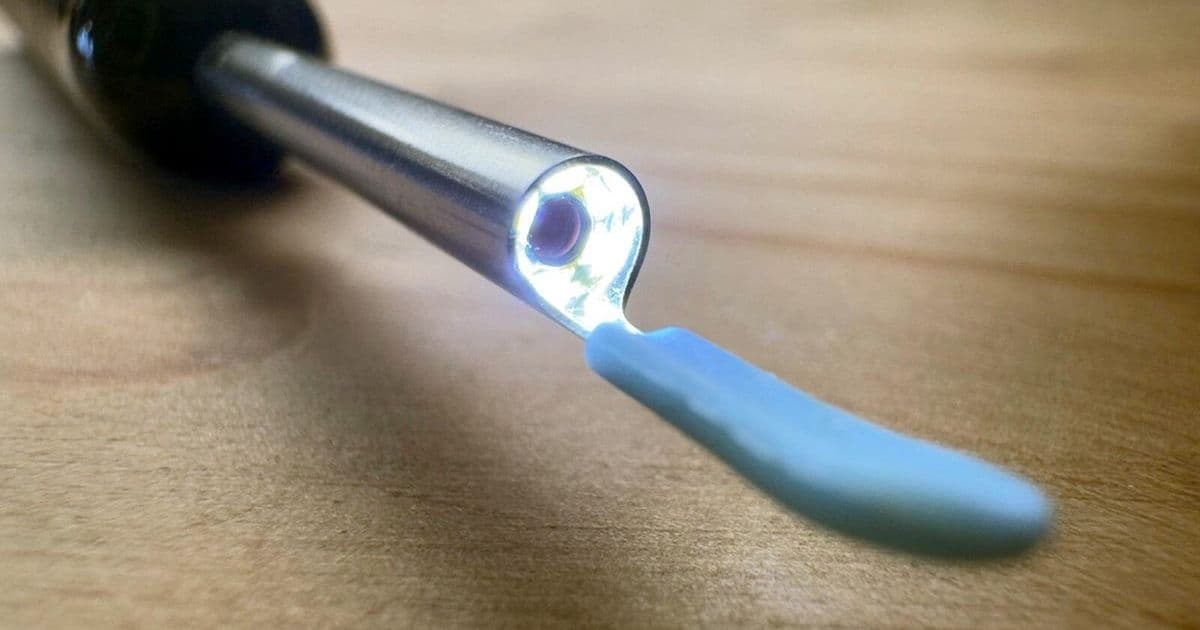
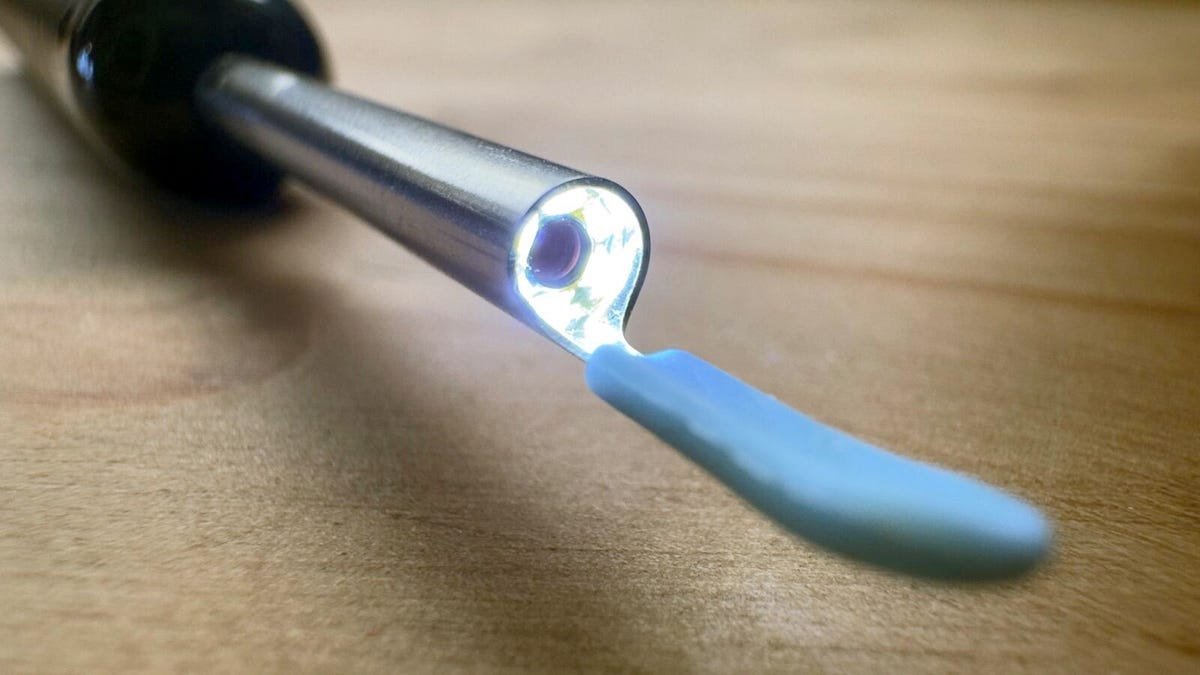
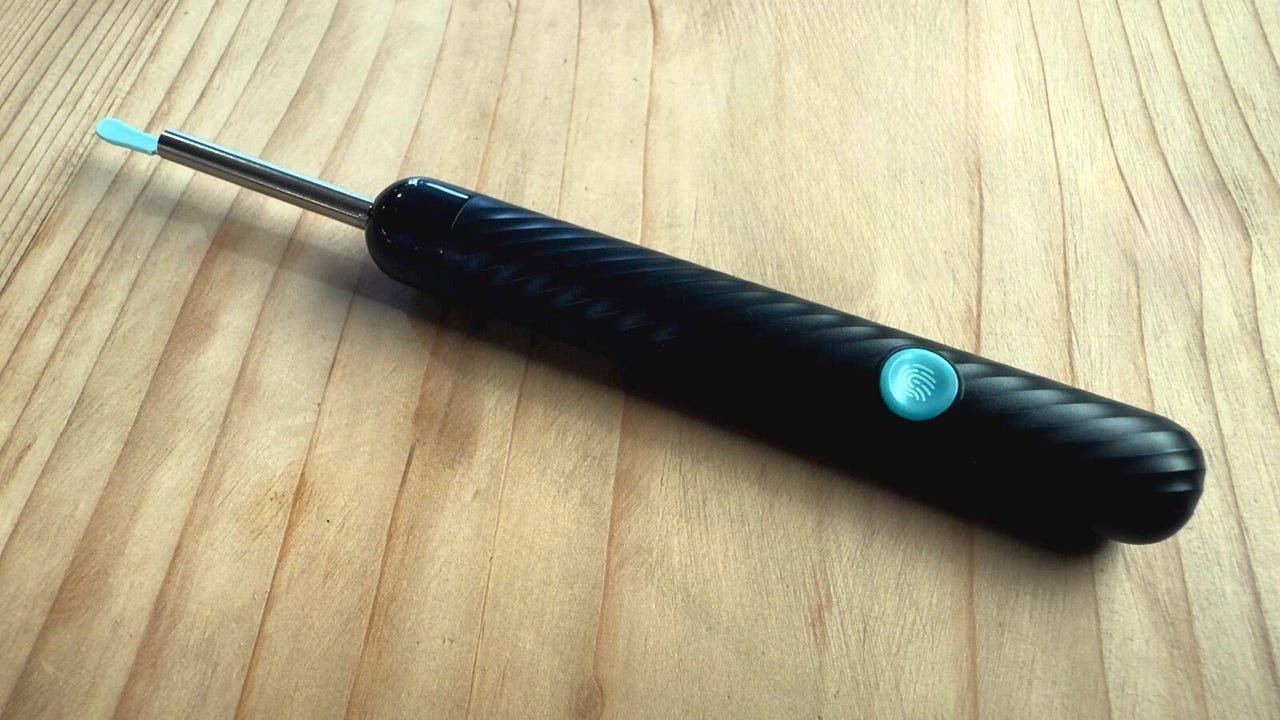
Originally designed for otoscopy, this Android/iOS-compatible device features a 0.17mm diameter tip housing a 1080p HD camera and six micro-LED lights. Its IP67-rated waterproofing and schmoo-resistant construction make it ideal for probing grimy USB-C ports, motherboard crevices, and other electronics notoriously difficult to examine.
 The camera's 4.3mm tip with LED array (Credit: Adrian Kingsley-Hughes/ZDNET)
Senior ZDNET contributor Adrian Kingsley-Hughes discovered its potential after frustration with bulky industrial inspection cameras: "My last inspection cam cost $25 and died when a power station crushed it. This replacement is cheaper, uses USB-C charging, and fits anywhere." The Wi-Fi connected device offers 90 minutes of continuous operation on its 350mAh battery, capturing photos/videos directly to mobile devices.
Why Developers Are Adopting It
- Impossible Angles: Accesses confined spaces in devices, connectors, and machinery
- Cost Efficiency: At $7, it's disposable yet durable enough for regular use
- Instant Documentation: Capture corrosion or connector damage for team analysis
- Portability: Fits in pockets alongside multimeters and screwdrivers
Kingsley-Hughes demonstrated its utility by diagnosing a debris-clogged iPhone charging port—a common failure point that often requires expensive part replacements when overlooked. The camera's LED array clearly revealed lint accumulation invisible to the naked eye.
The Bigger Picture: Democratizing Hardware Diagnostics
This accidental tool exemplifies how cross-domain repurposing solves entrenched engineering challenges. As devices shrink and components miniaturize, affordable inspection tech becomes critical for rapid prototyping, field repairs, and educational environments. While not a replacement for laboratory-grade equipment, it lowers barriers for makers and professionals alike—proving that sometimes the most ingenious solutions emerge when we look beyond a tool's original purpose.
Source: Adapted from ZDNET's hands-on review by Adrian Kingsley-Hughes
Comments
Please log in or register to join the discussion